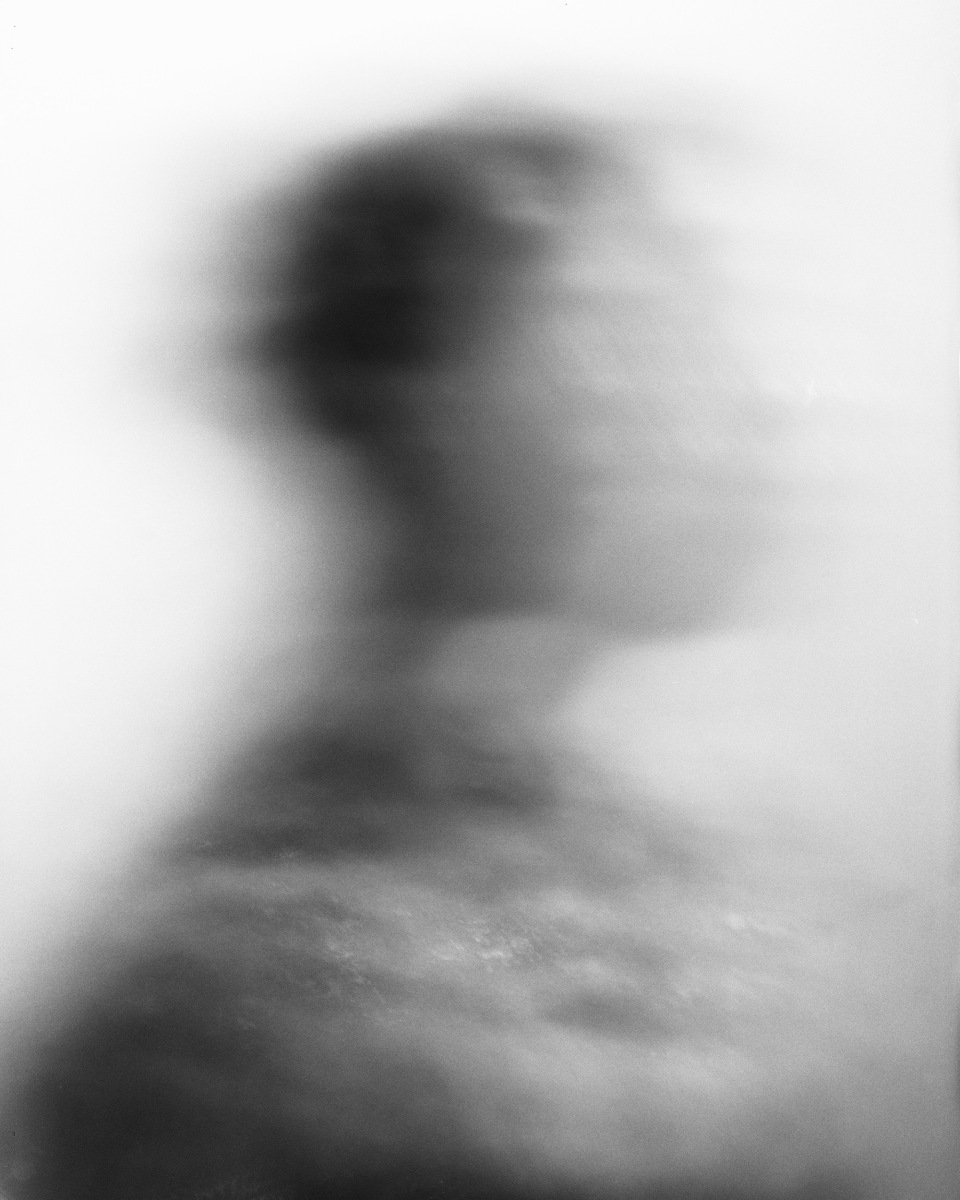
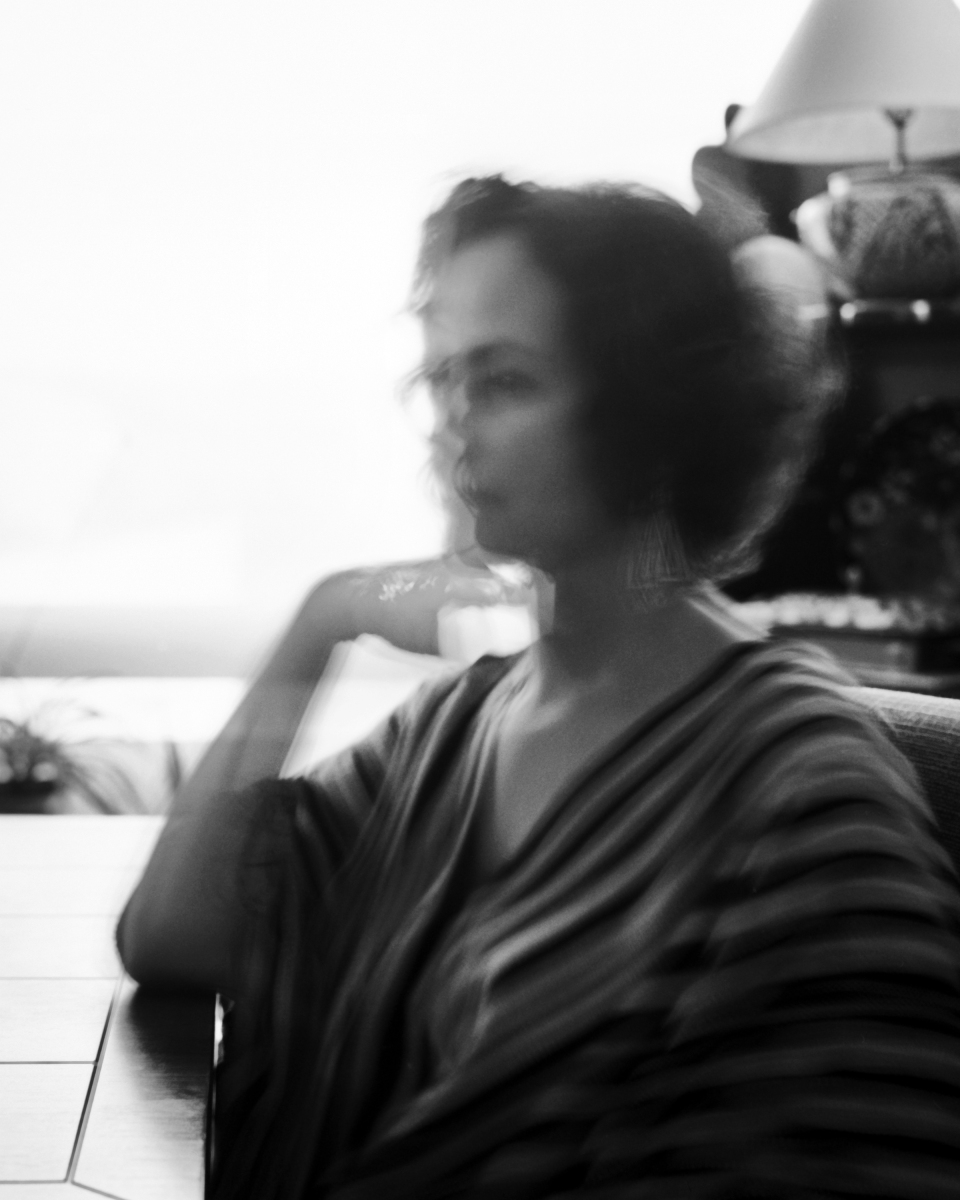
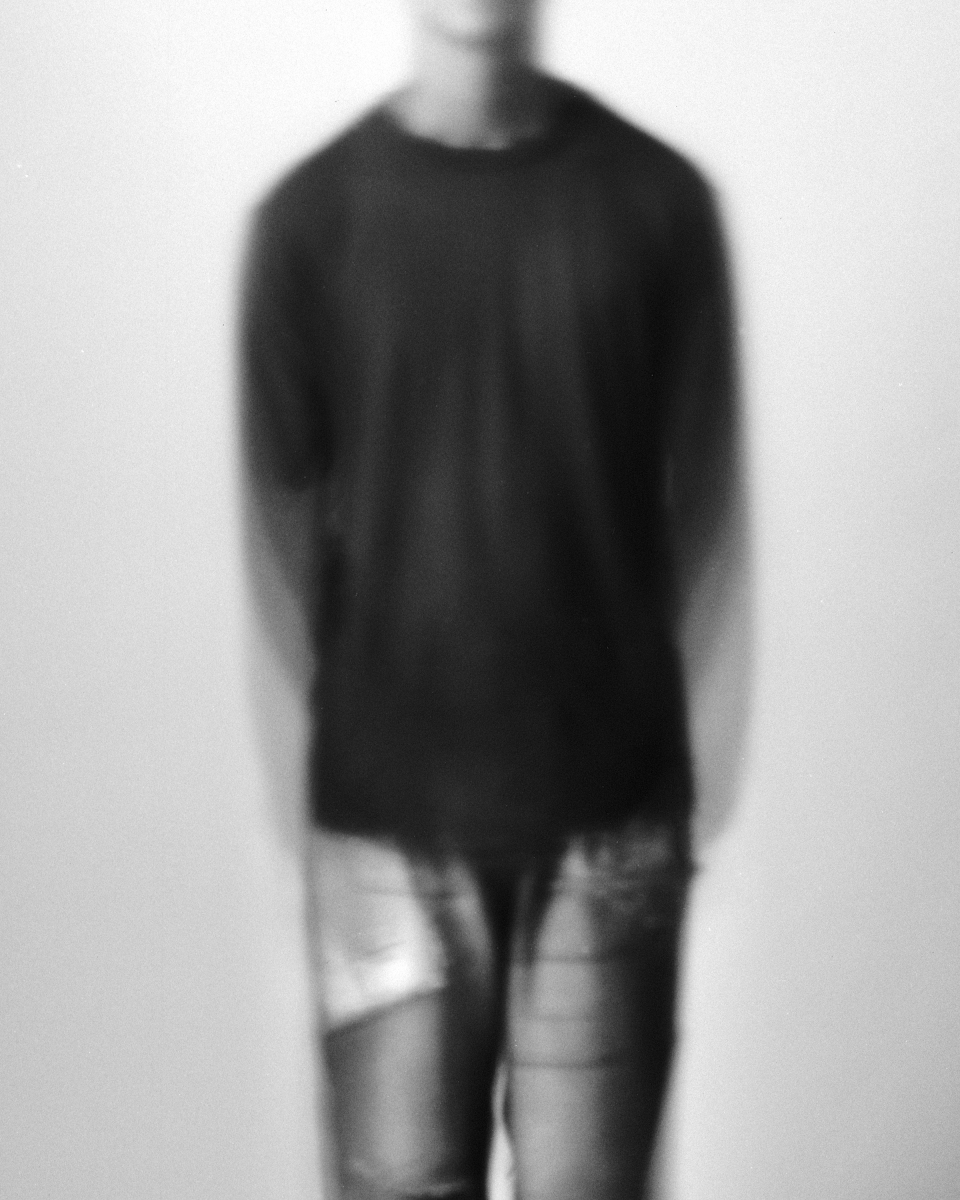
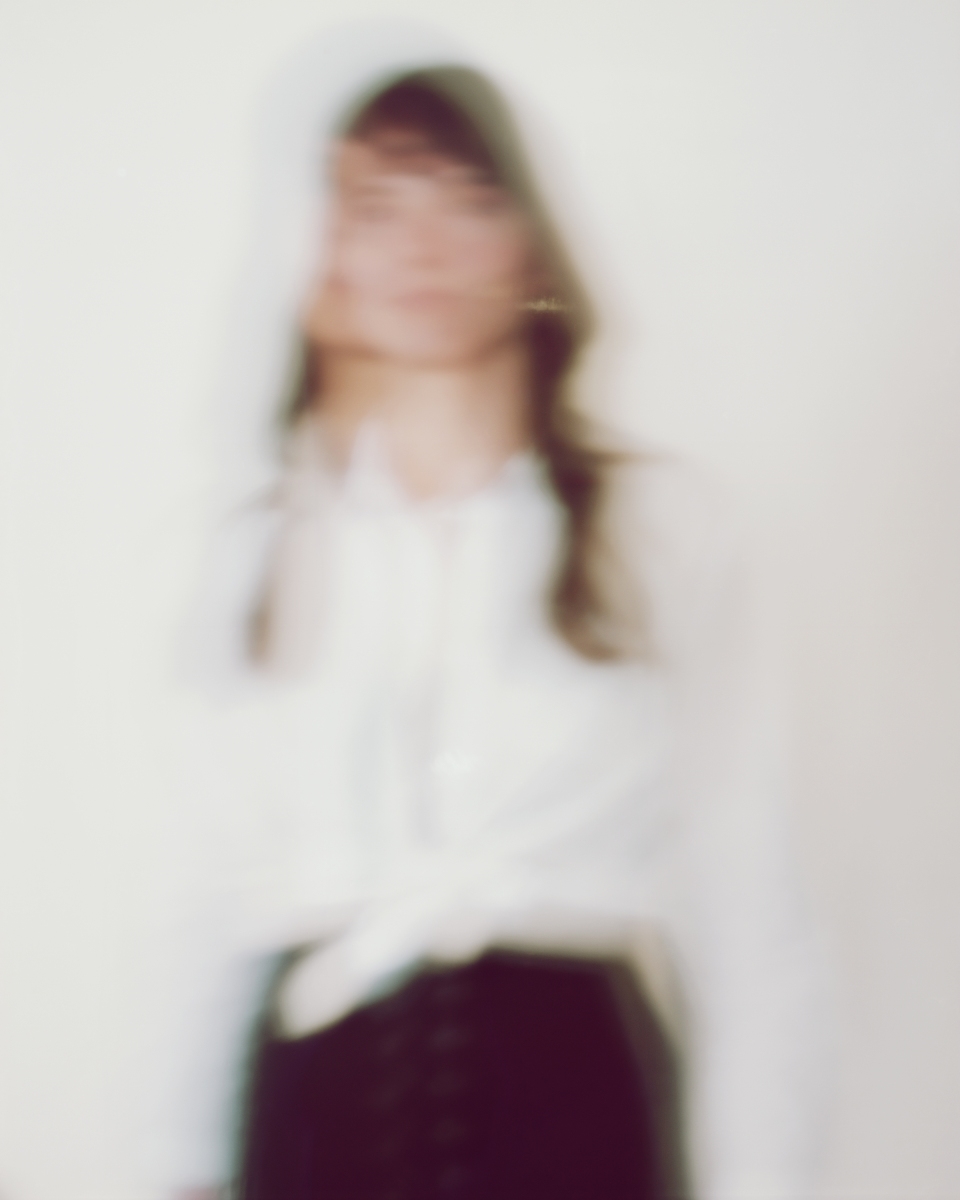
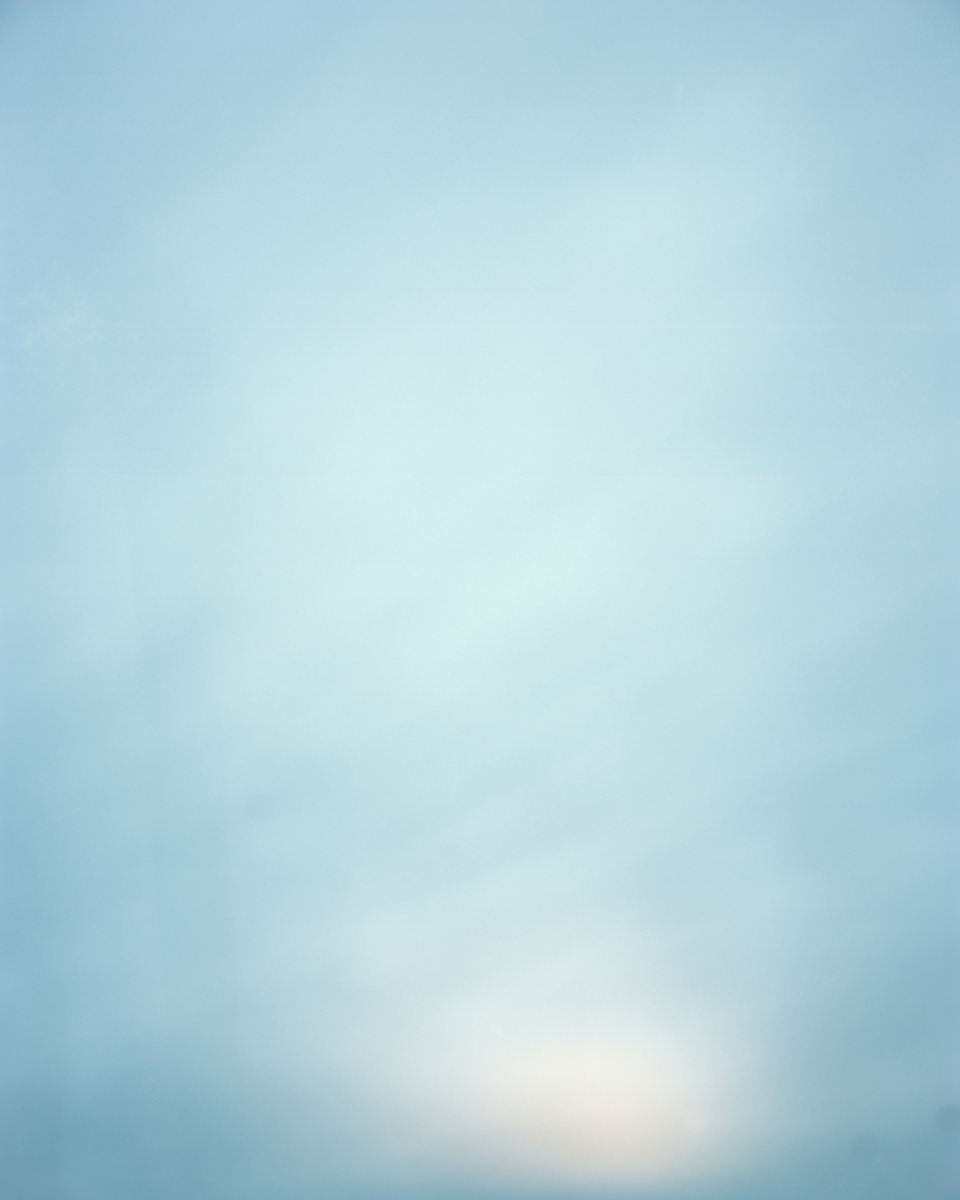
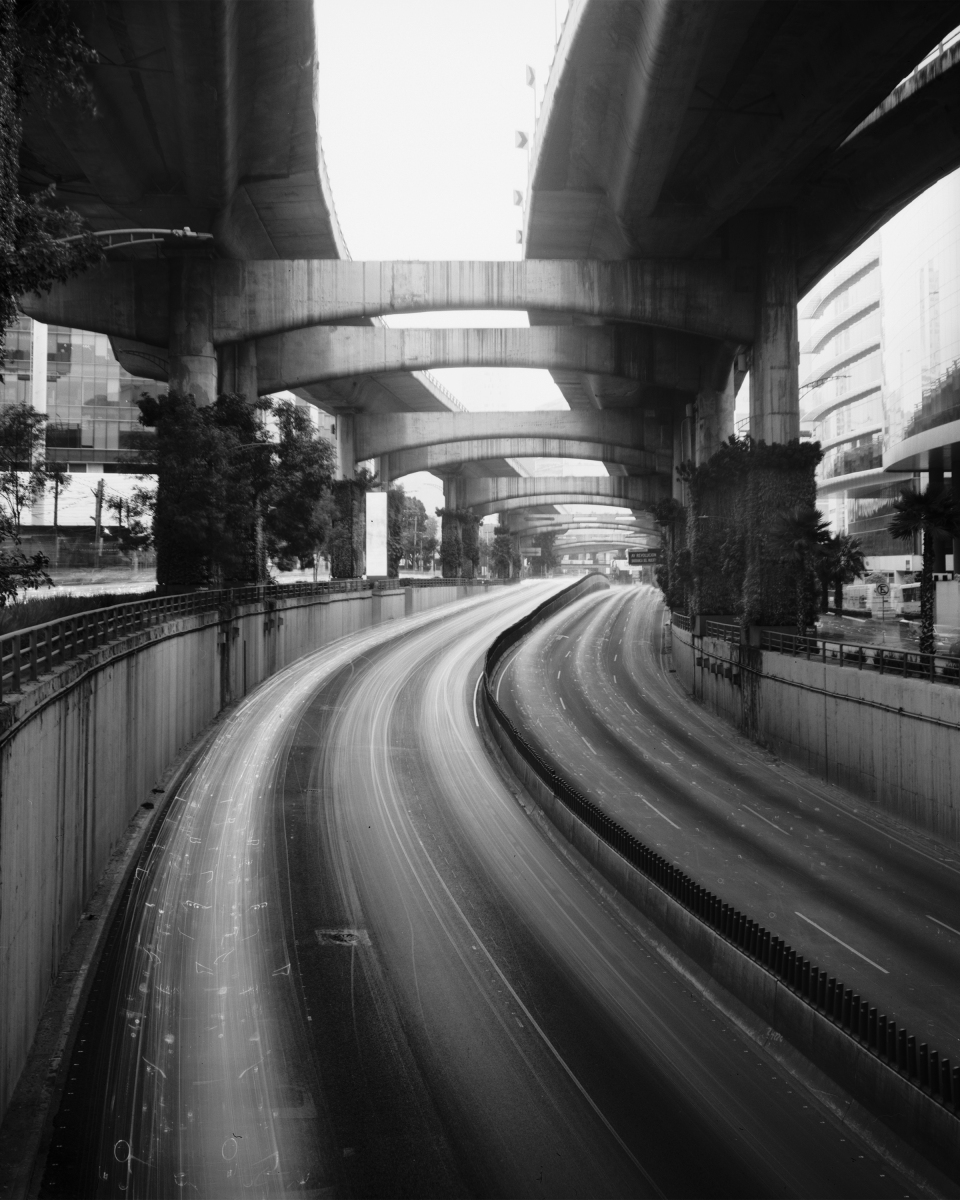
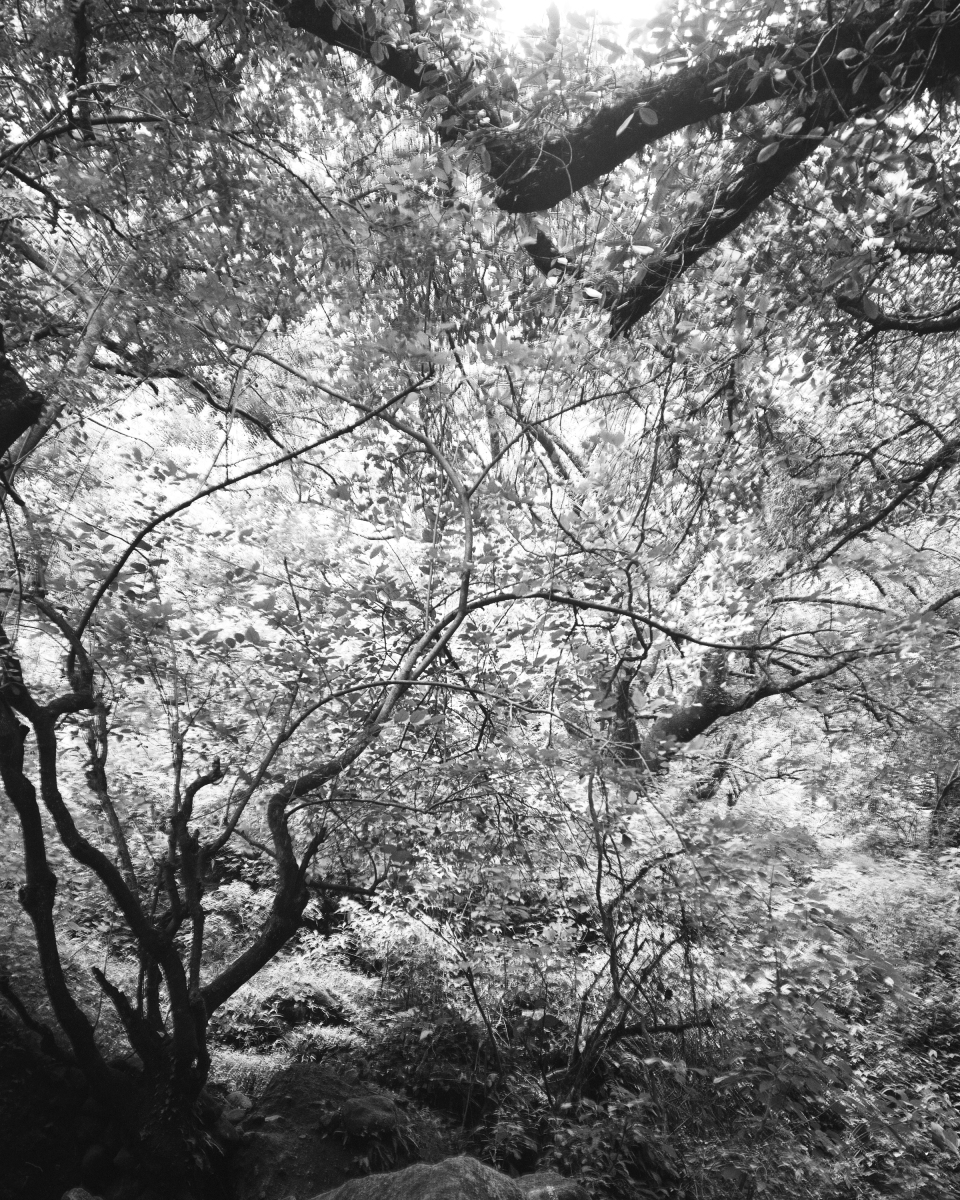
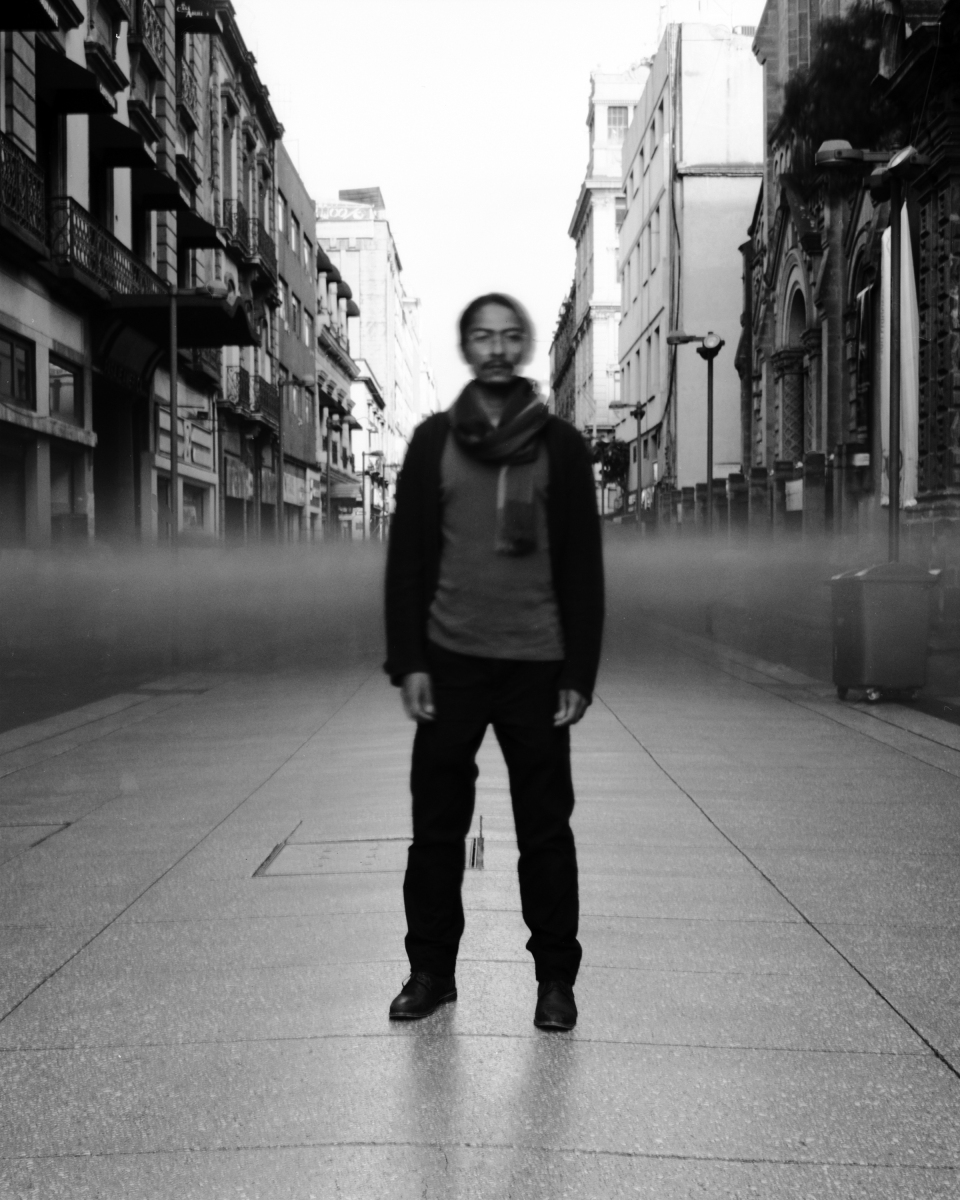
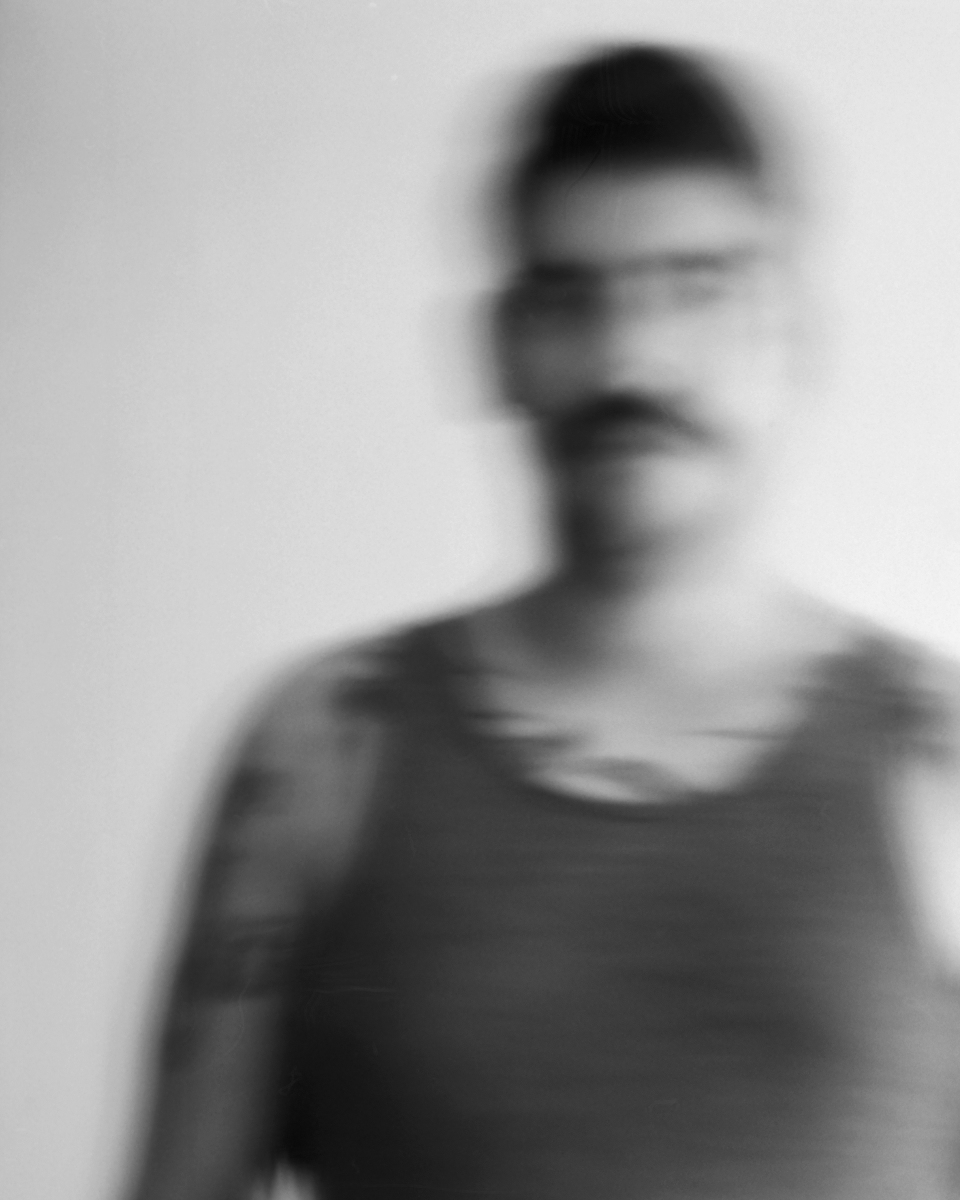
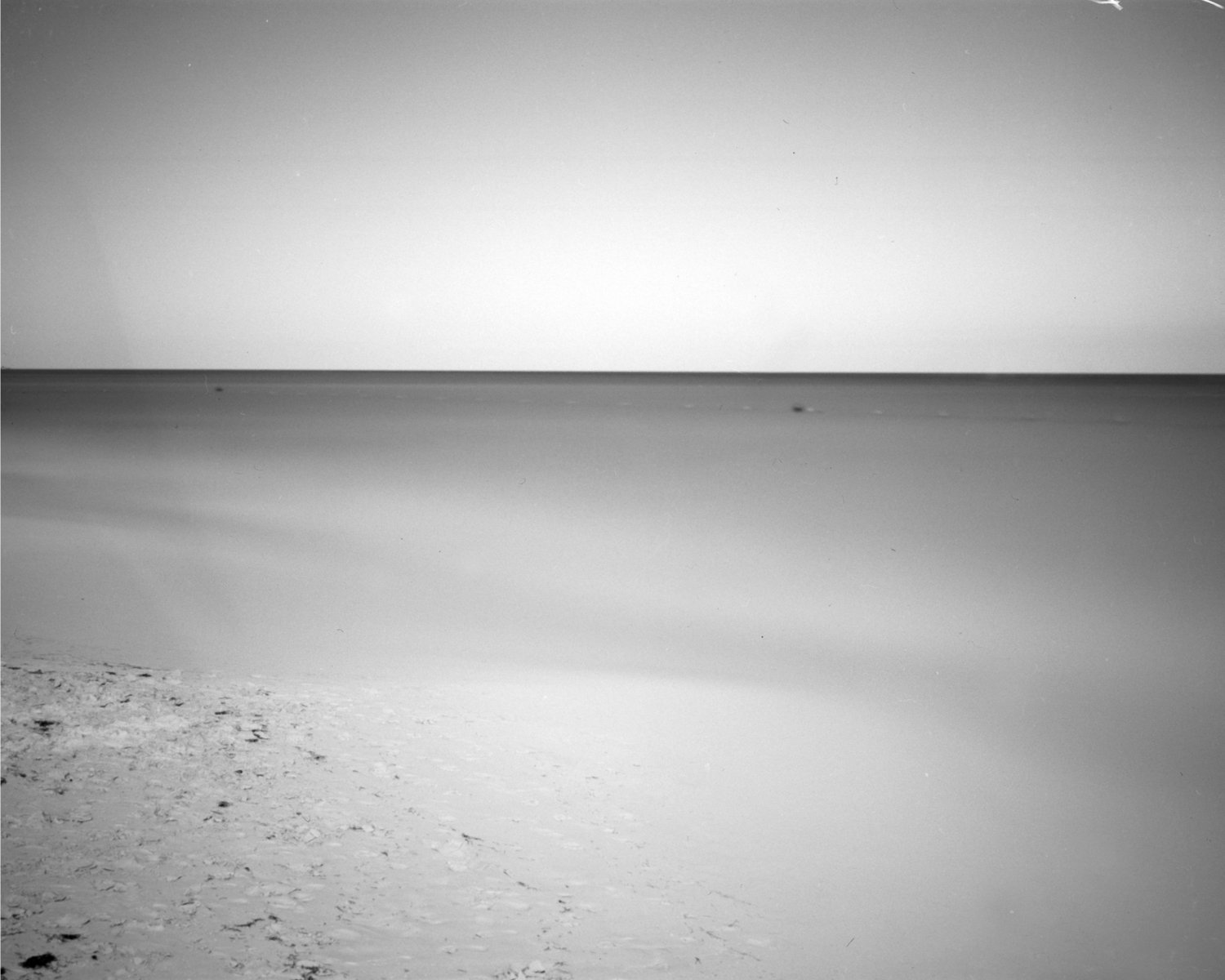
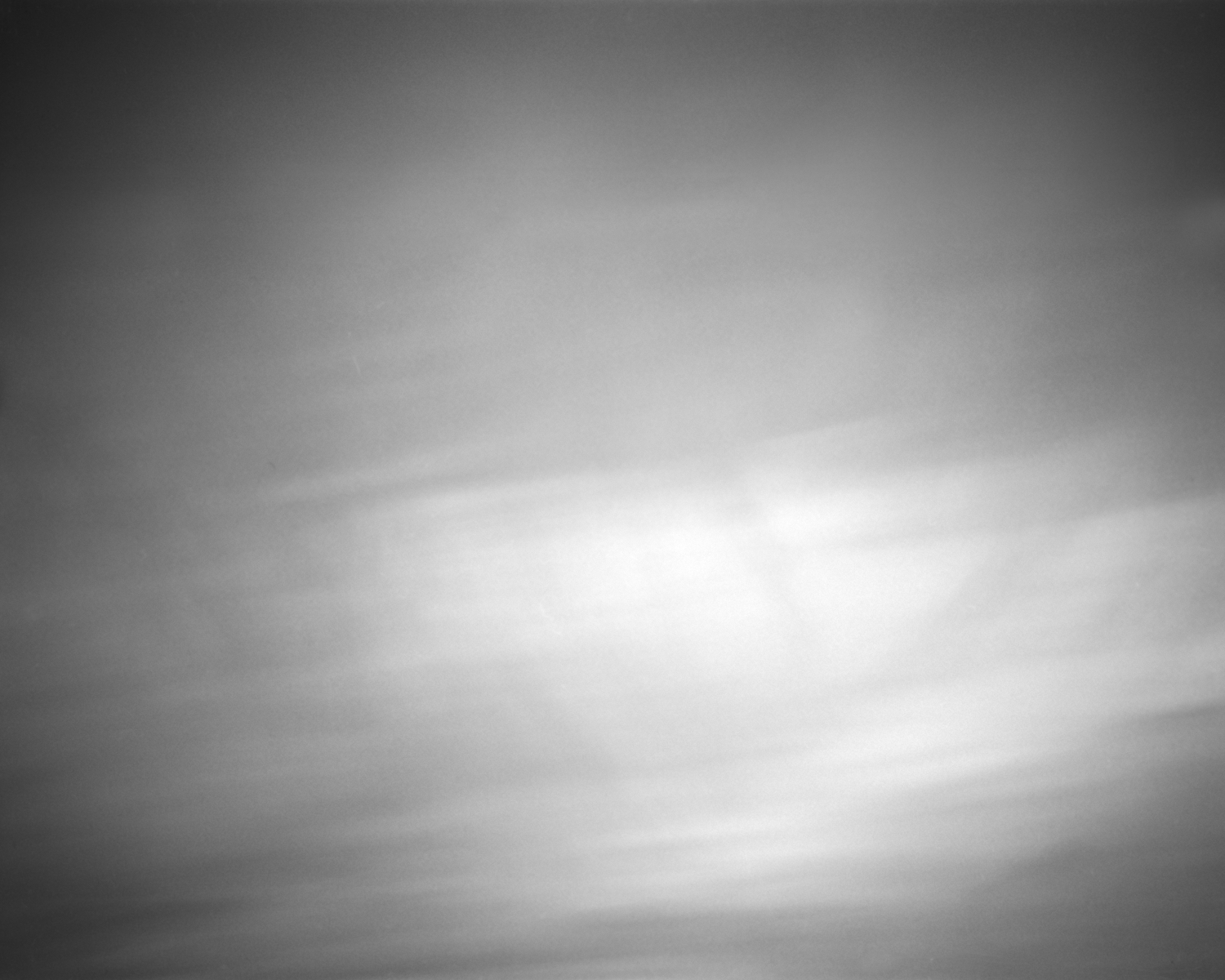
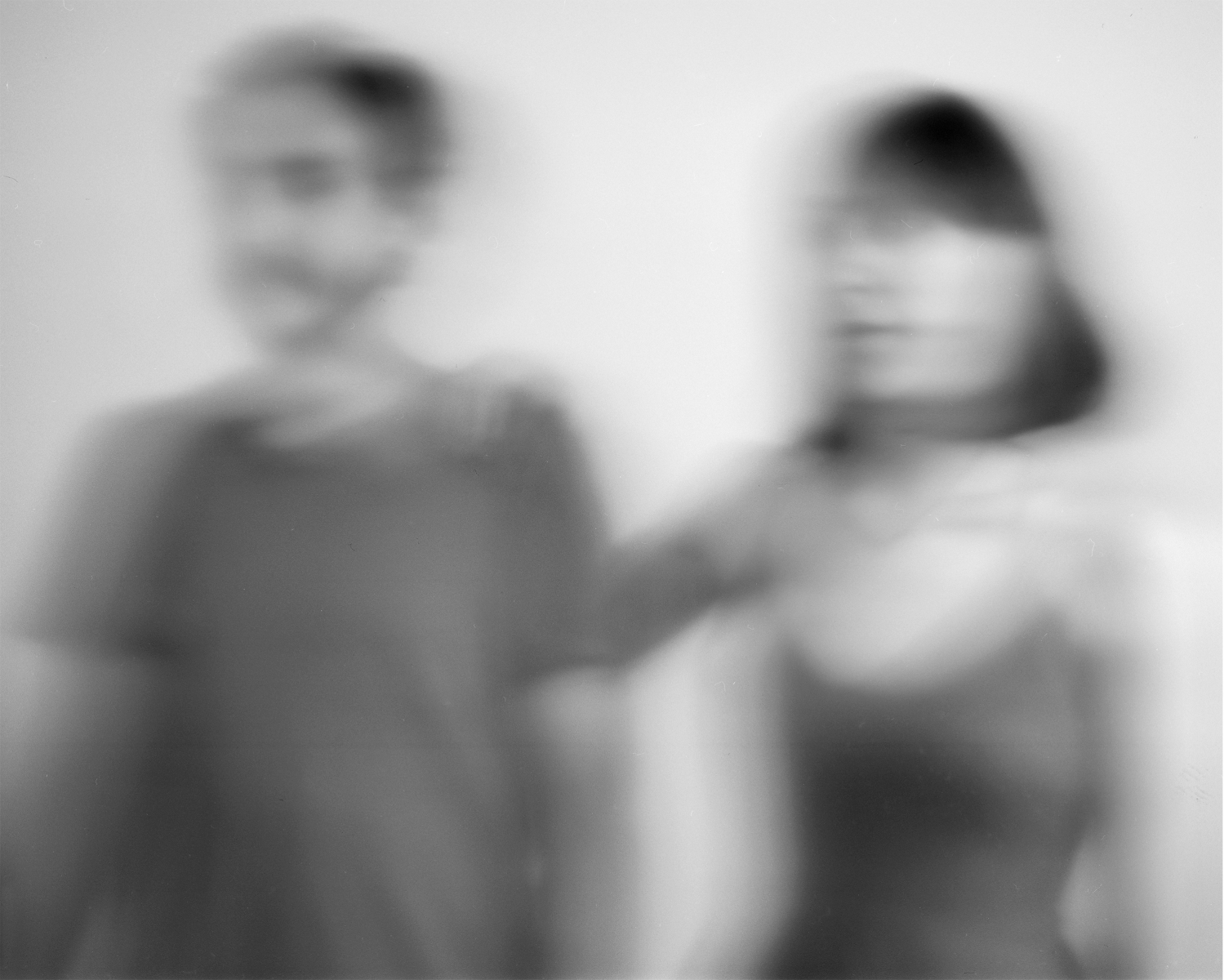
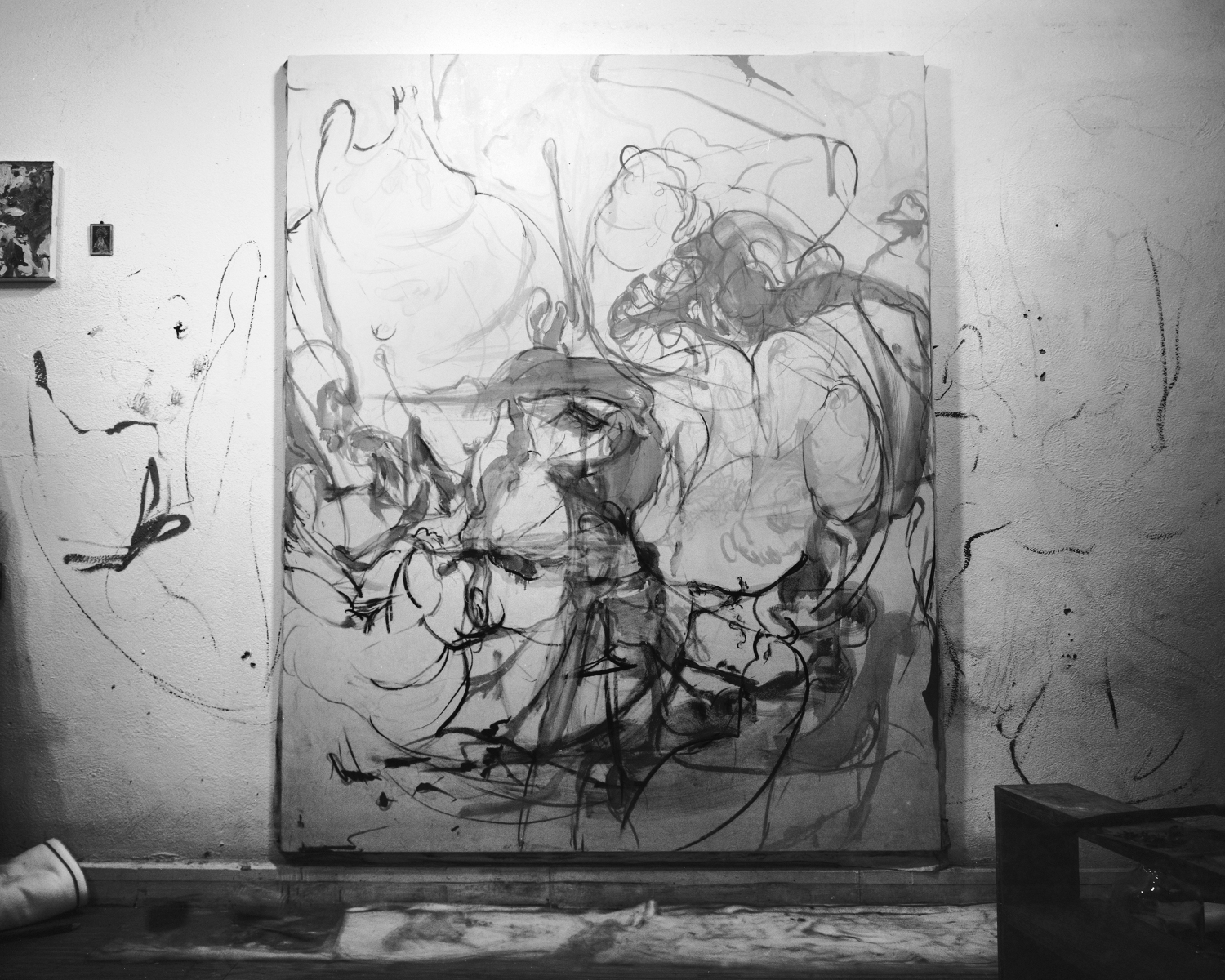
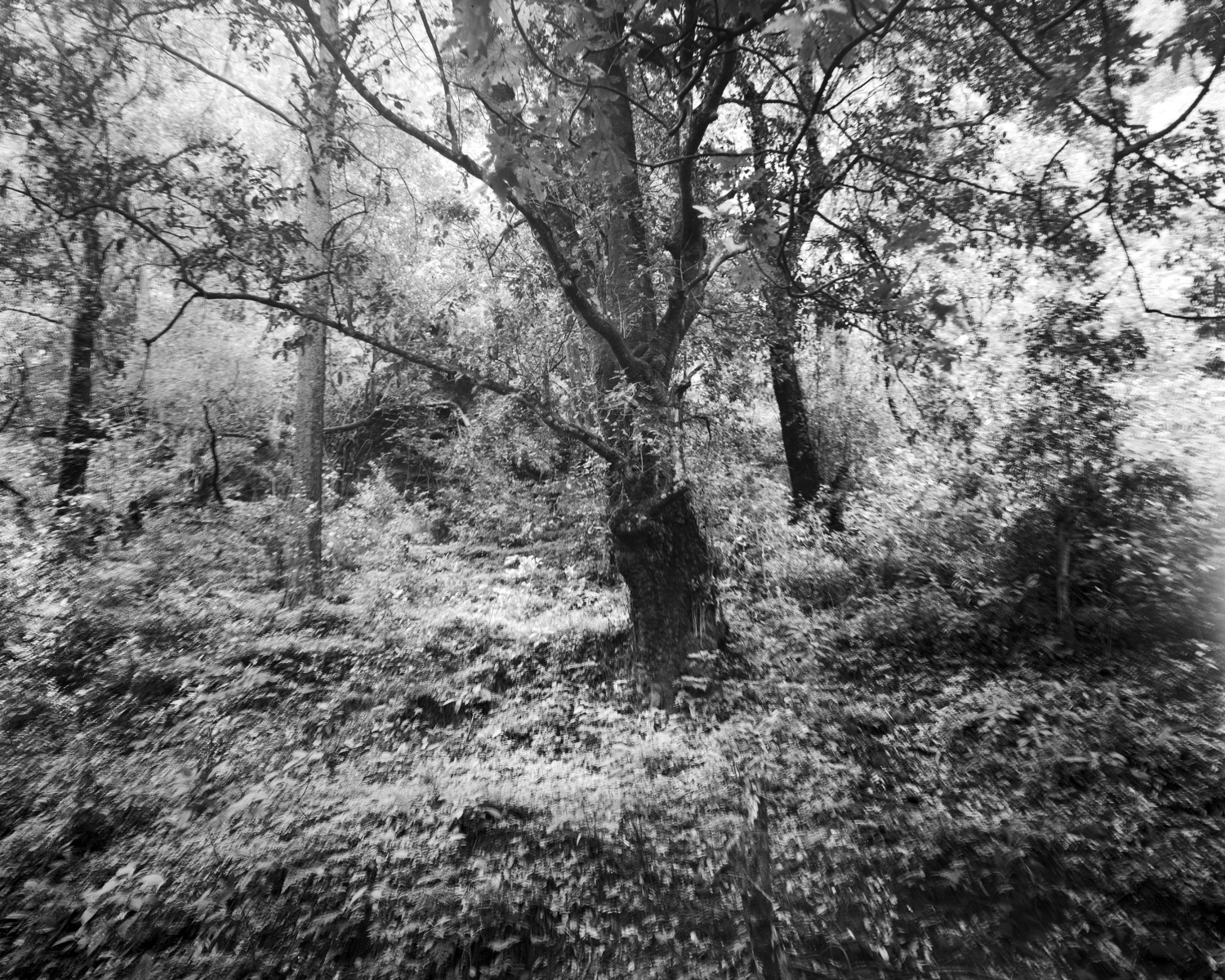
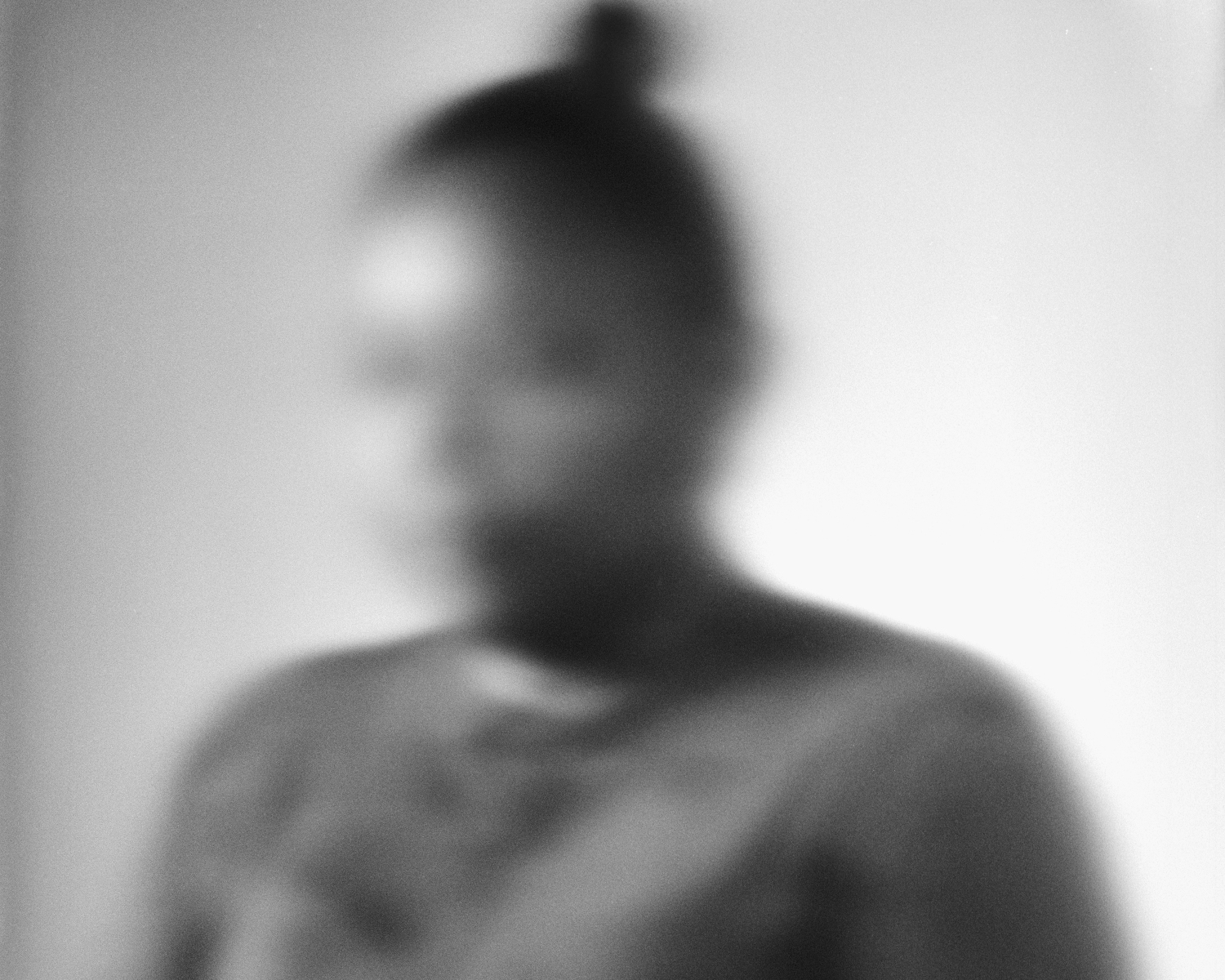
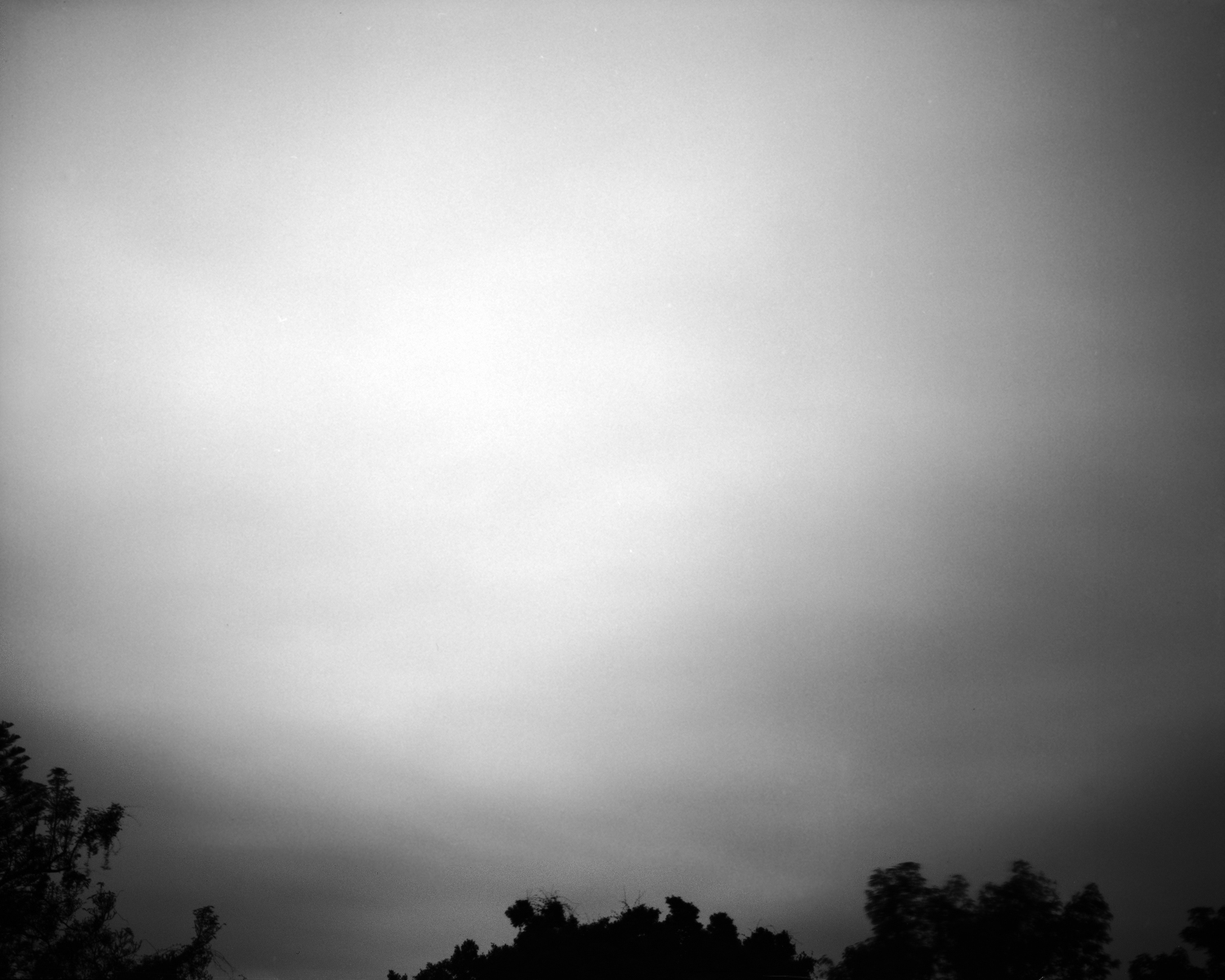
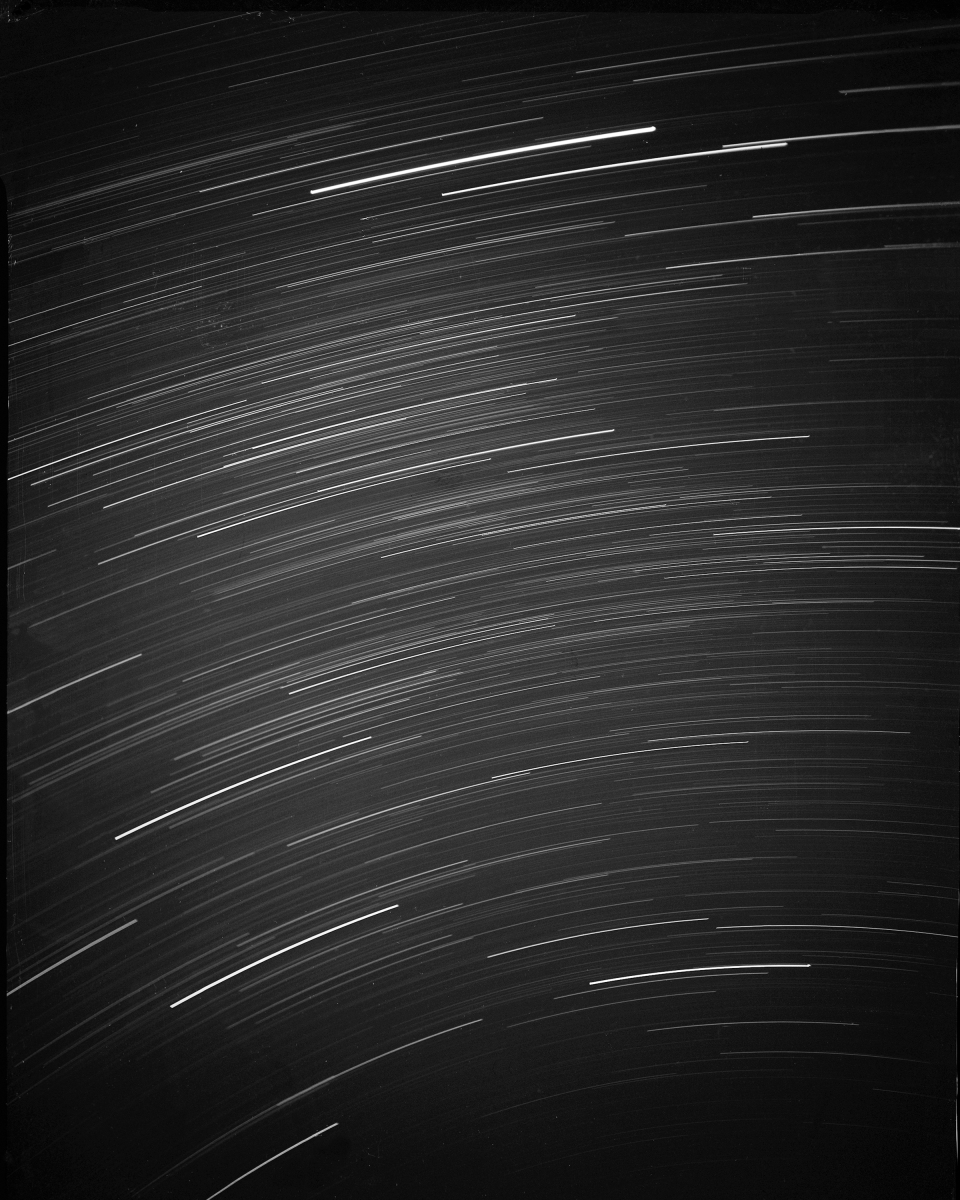
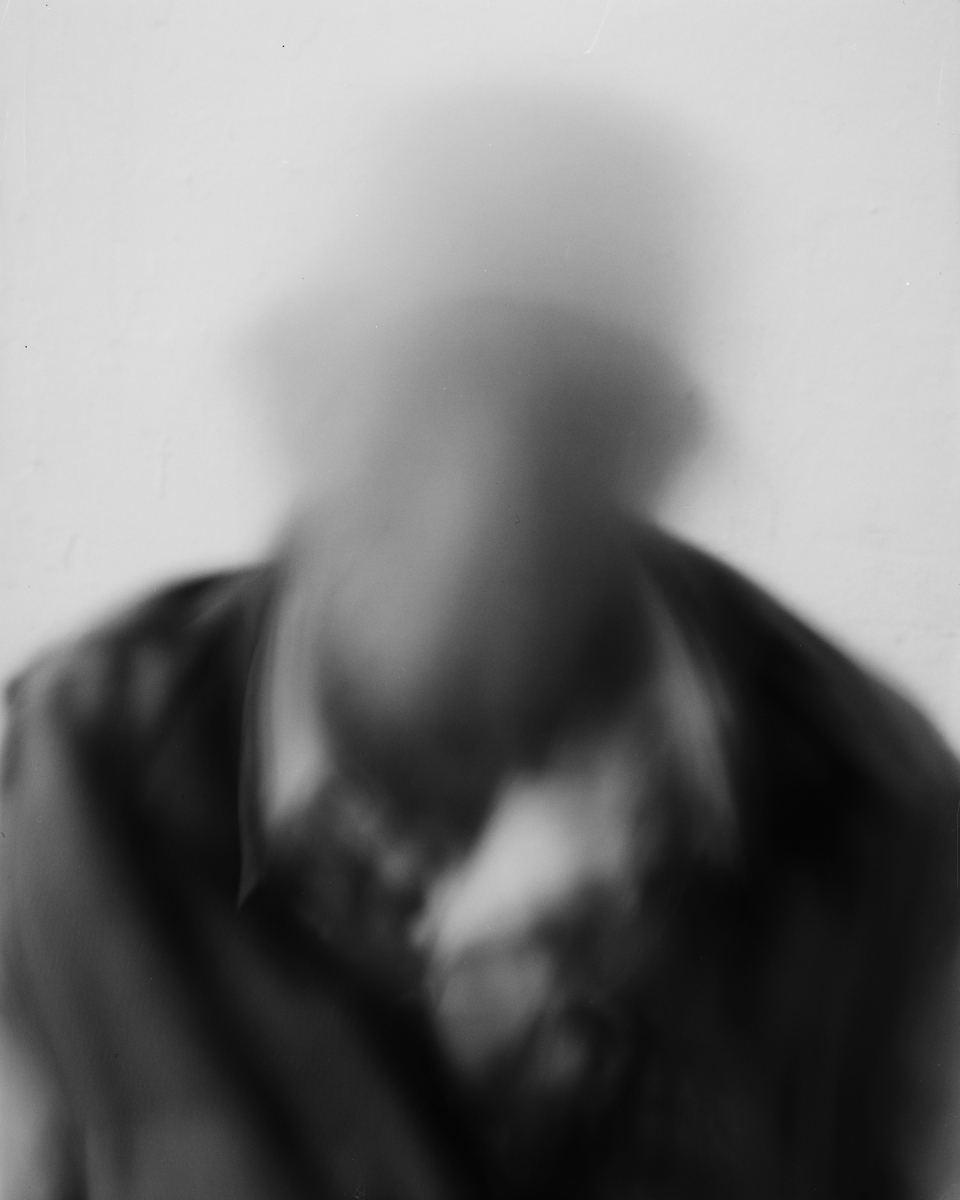
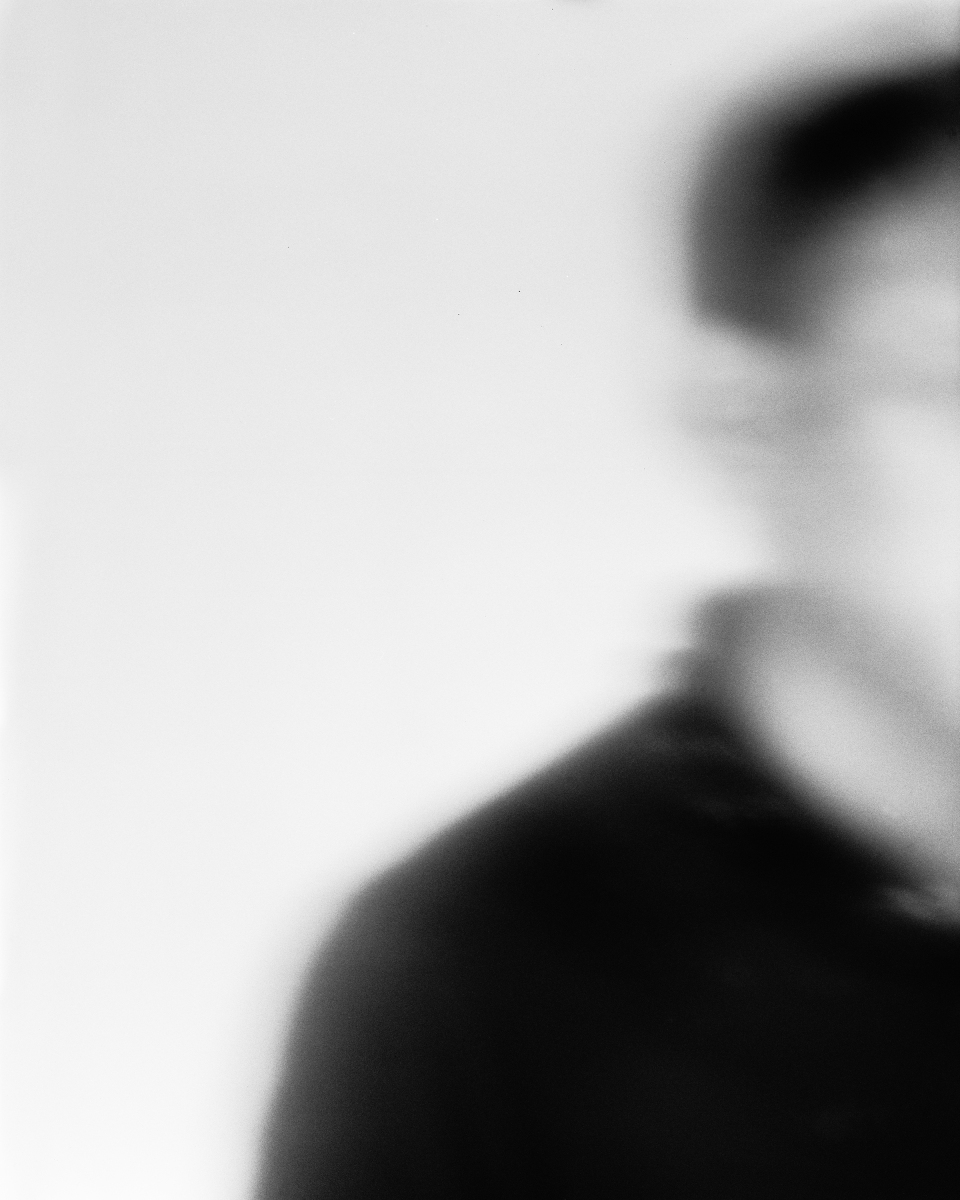
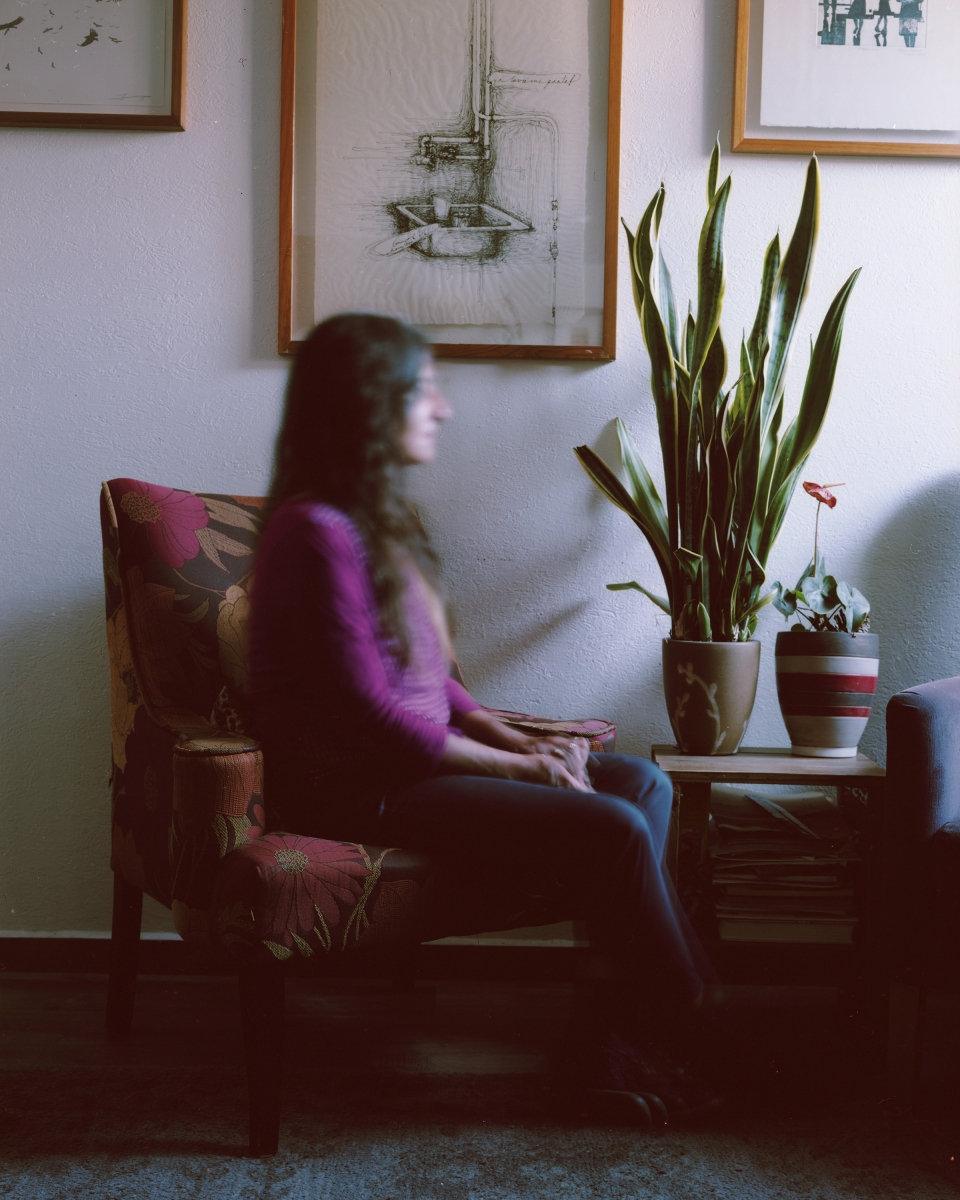
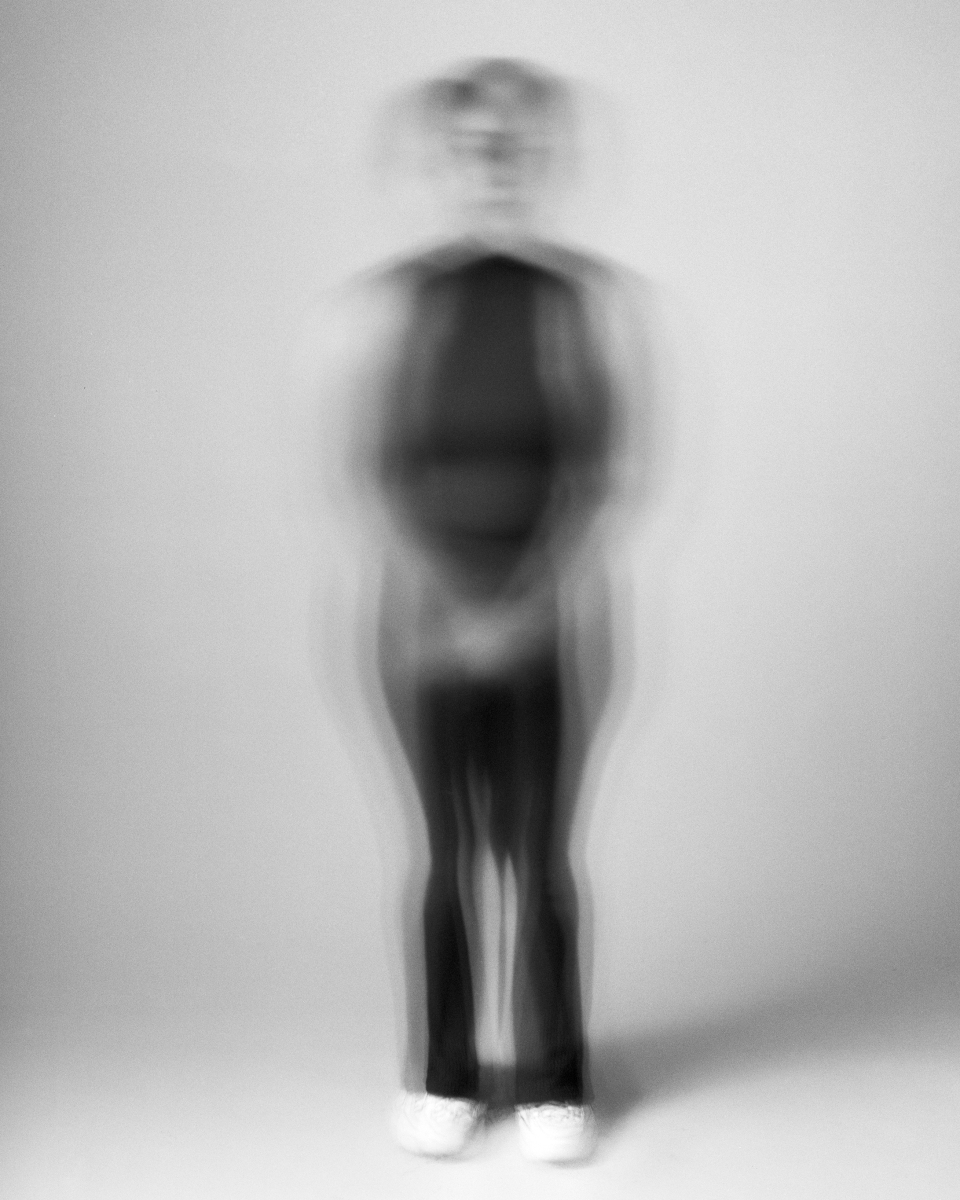
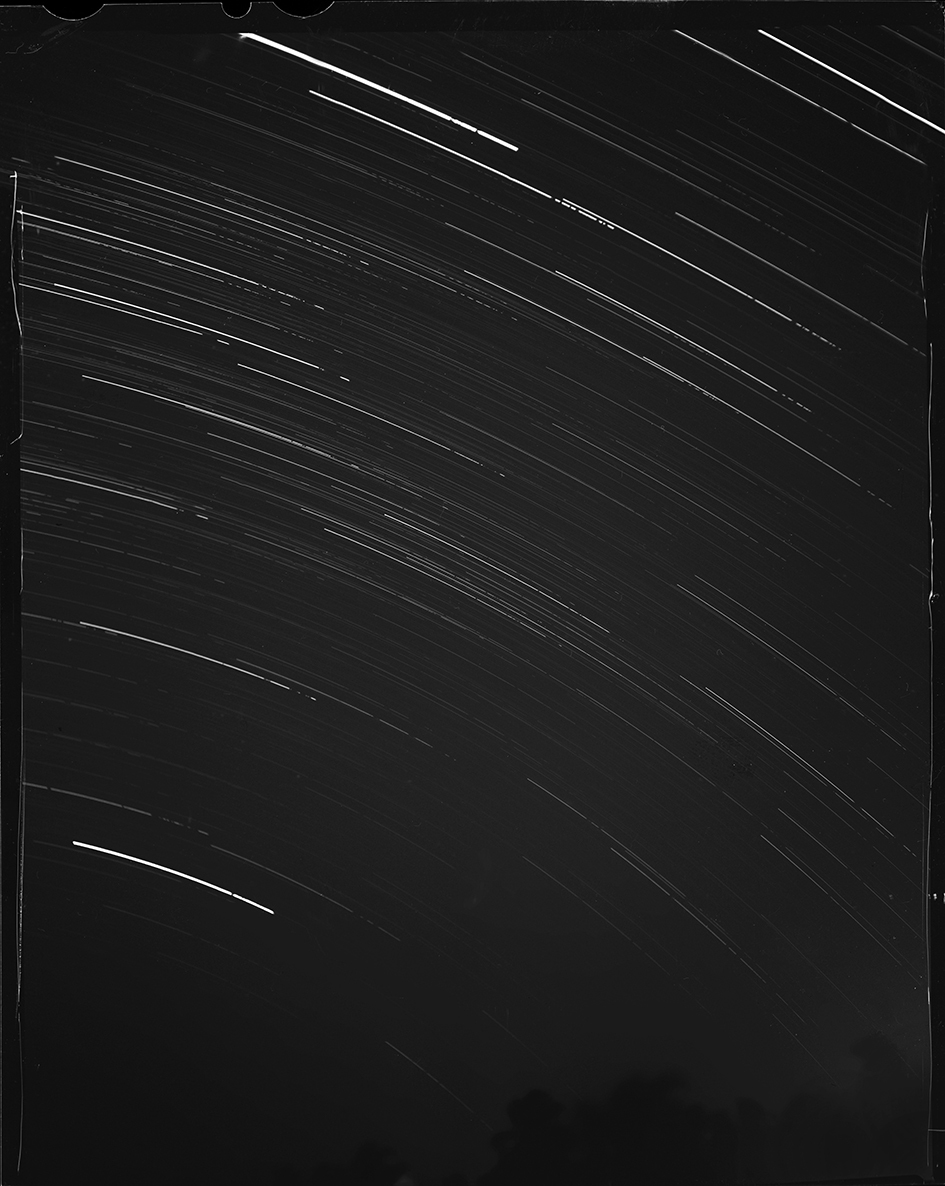
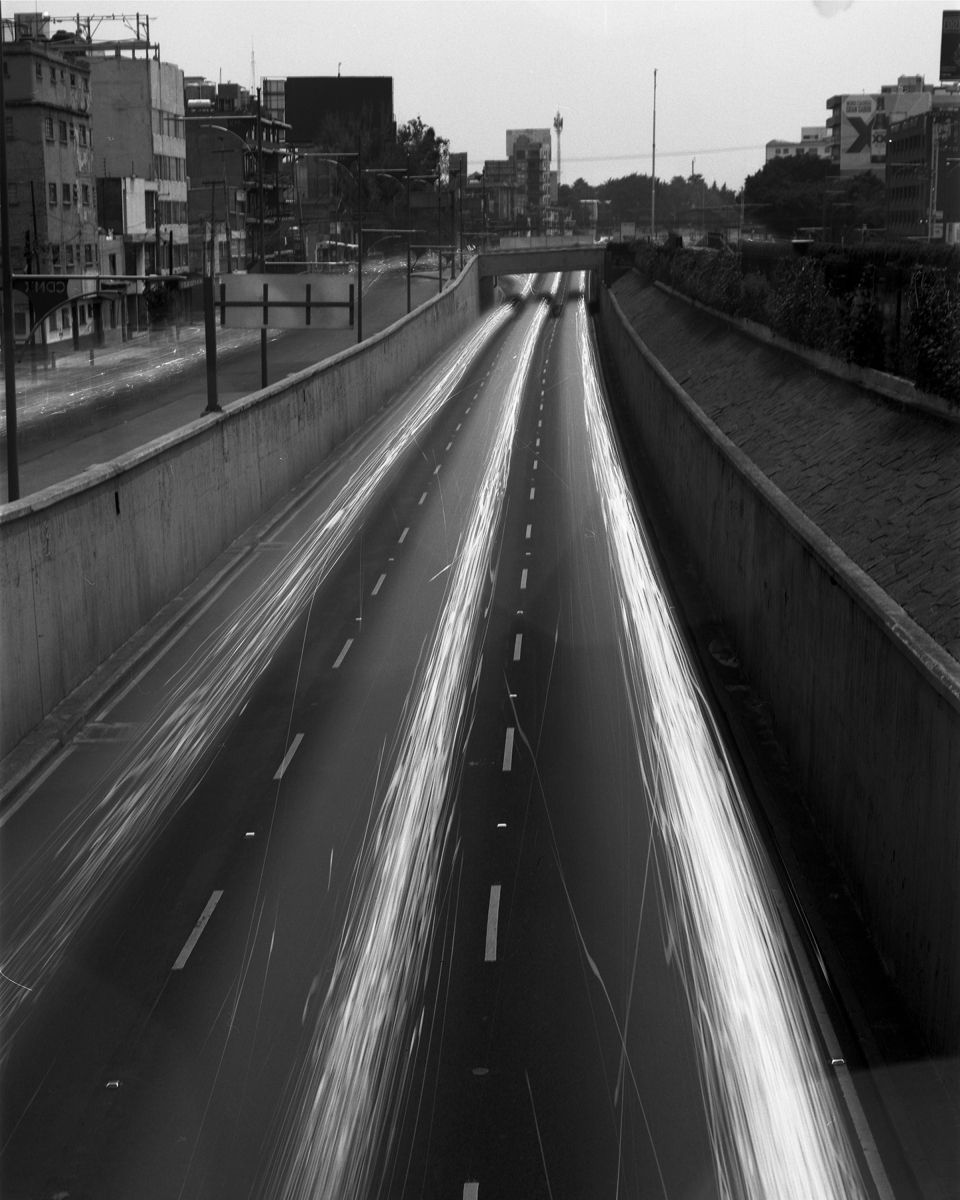
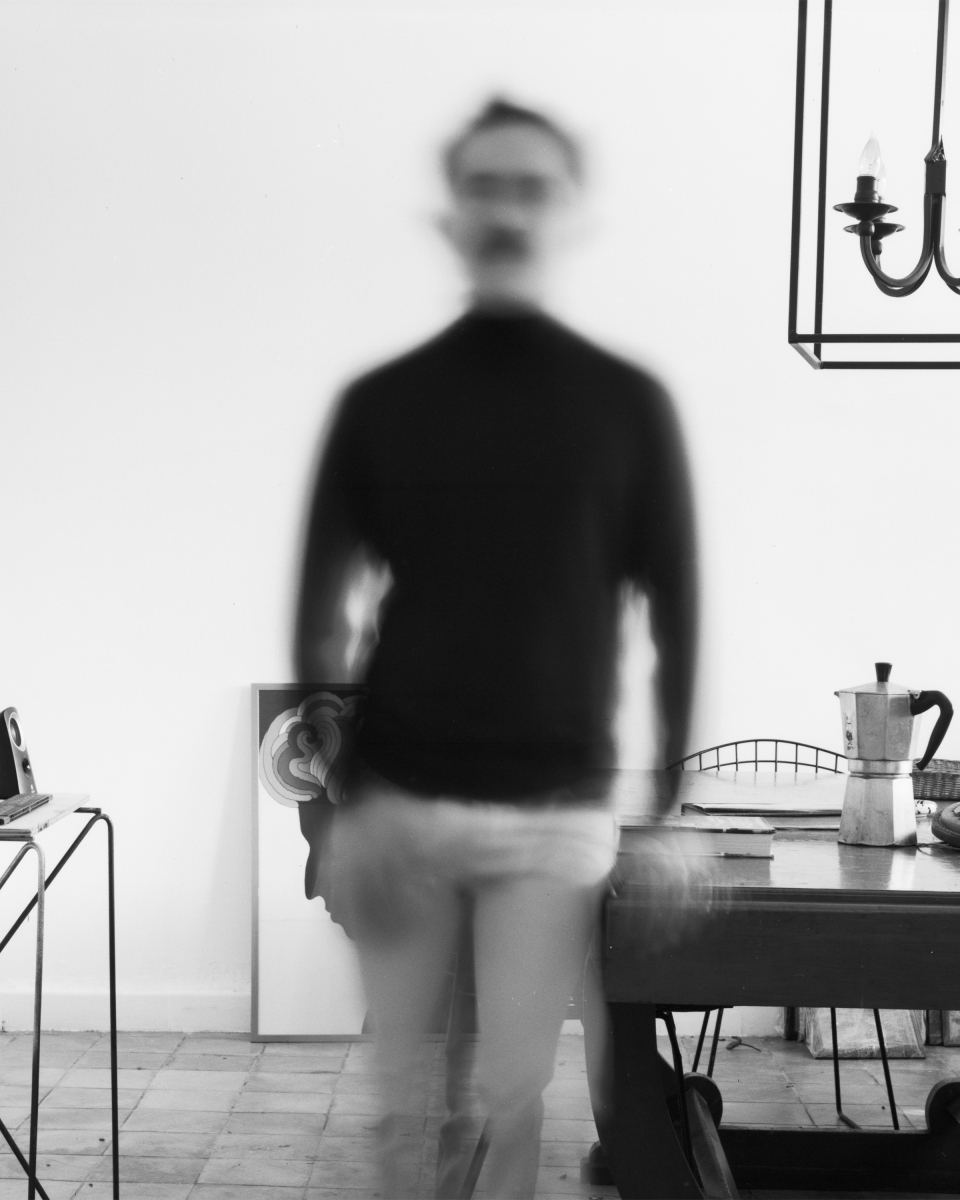
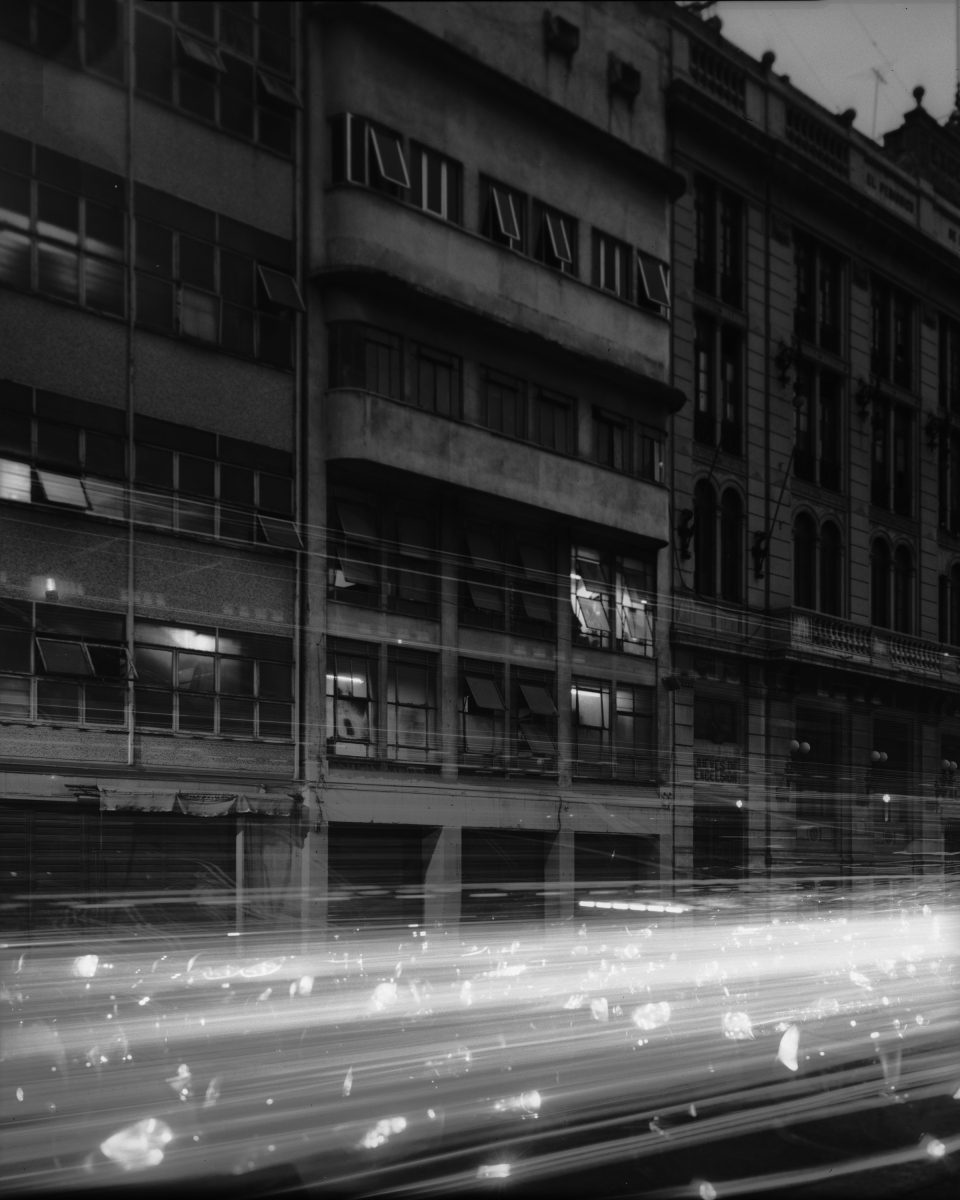
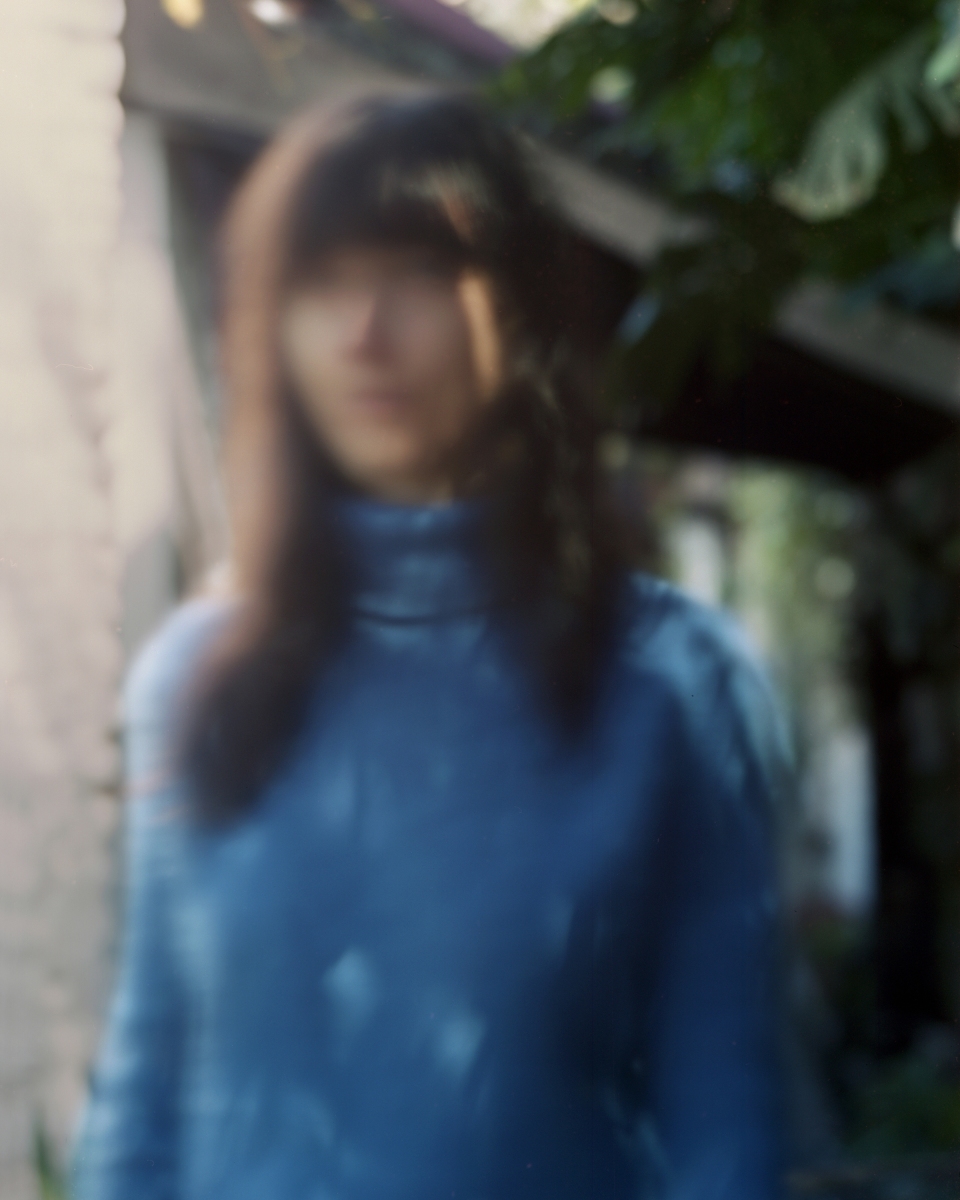
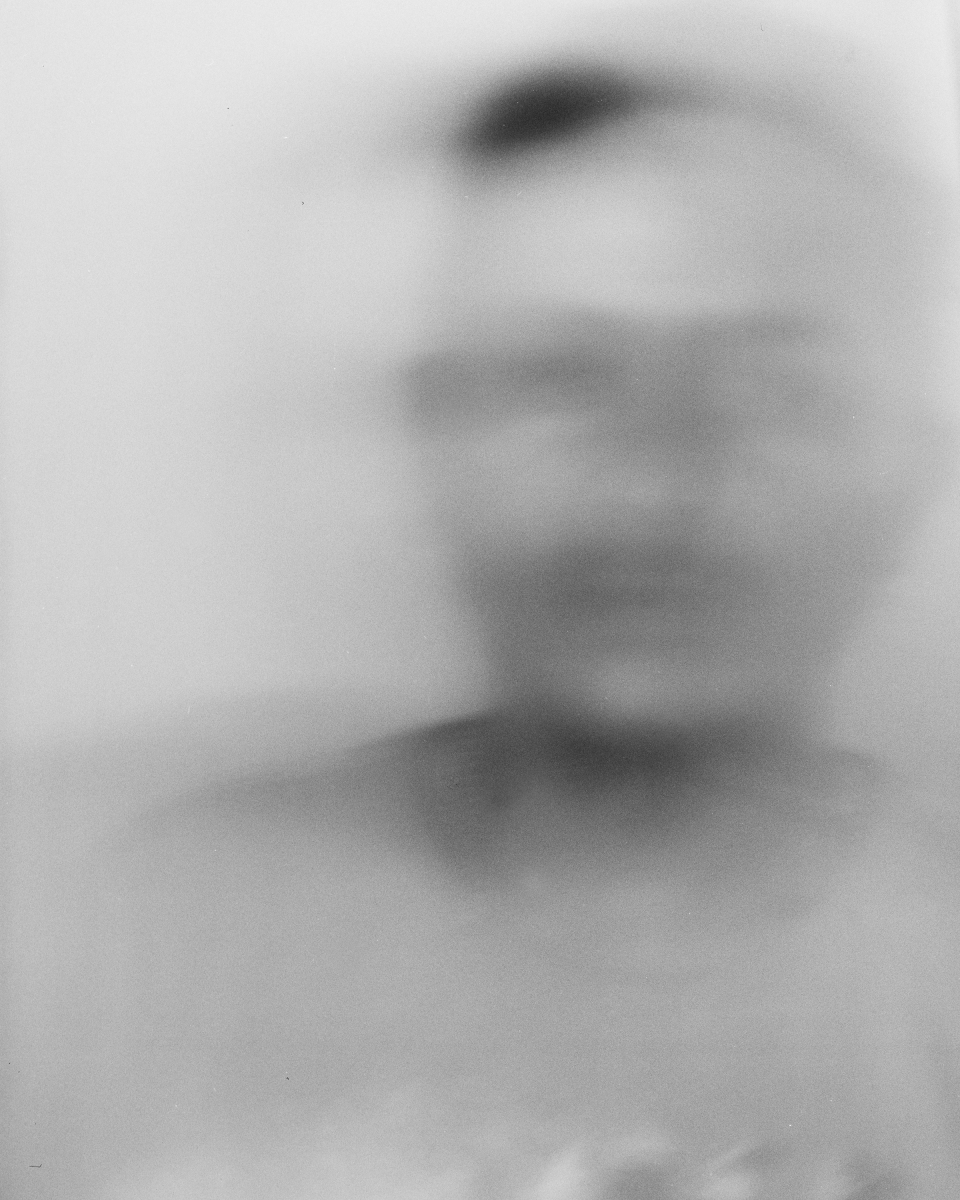
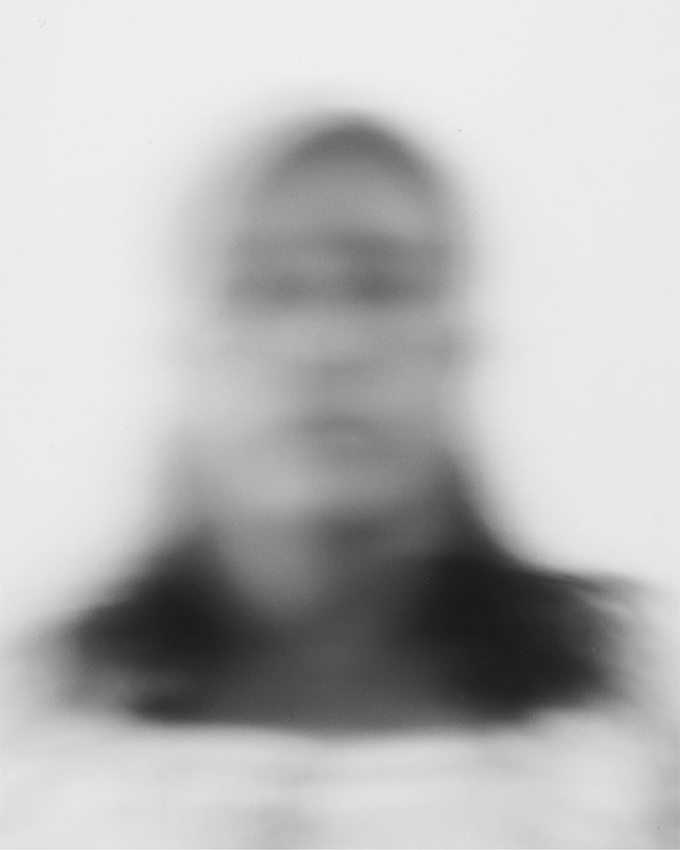
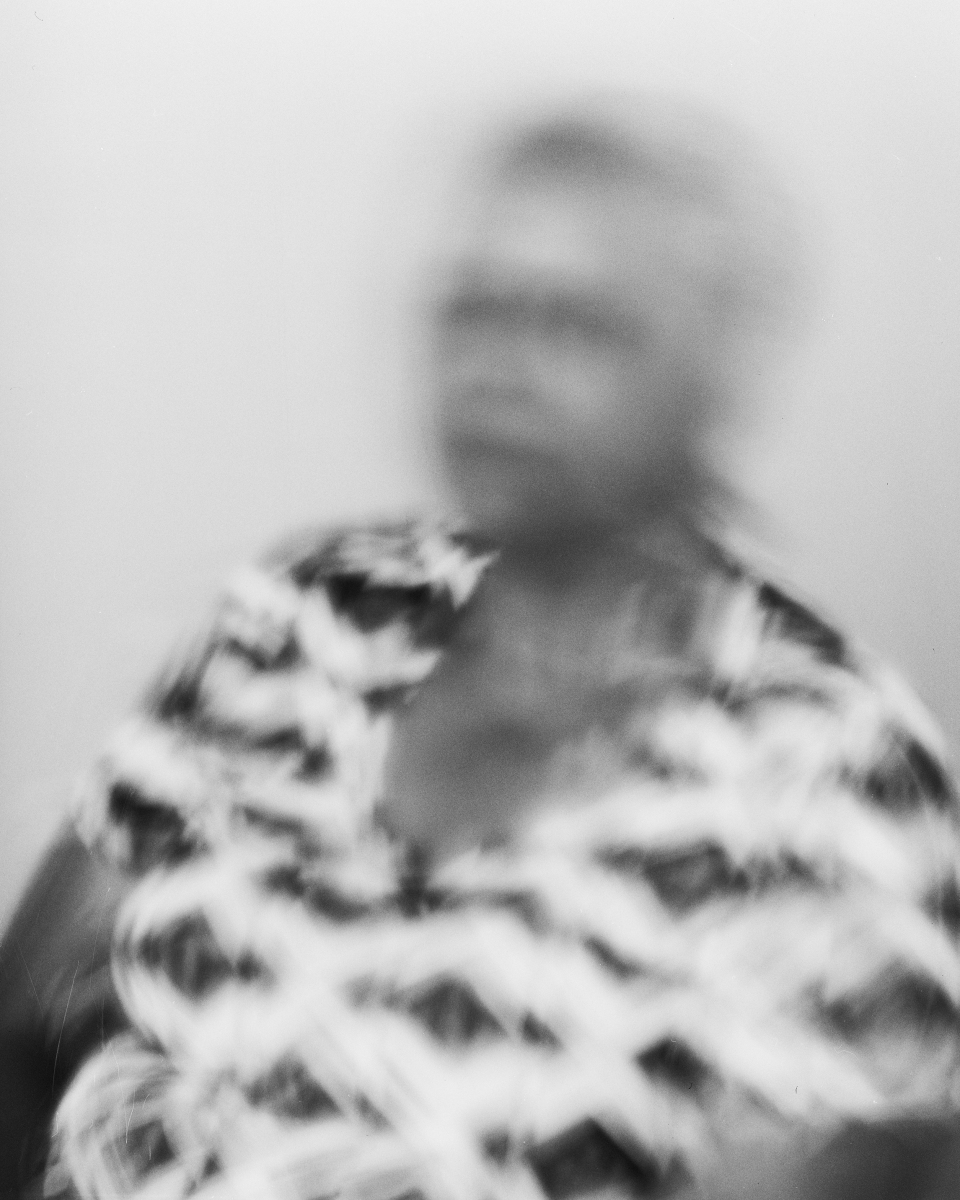
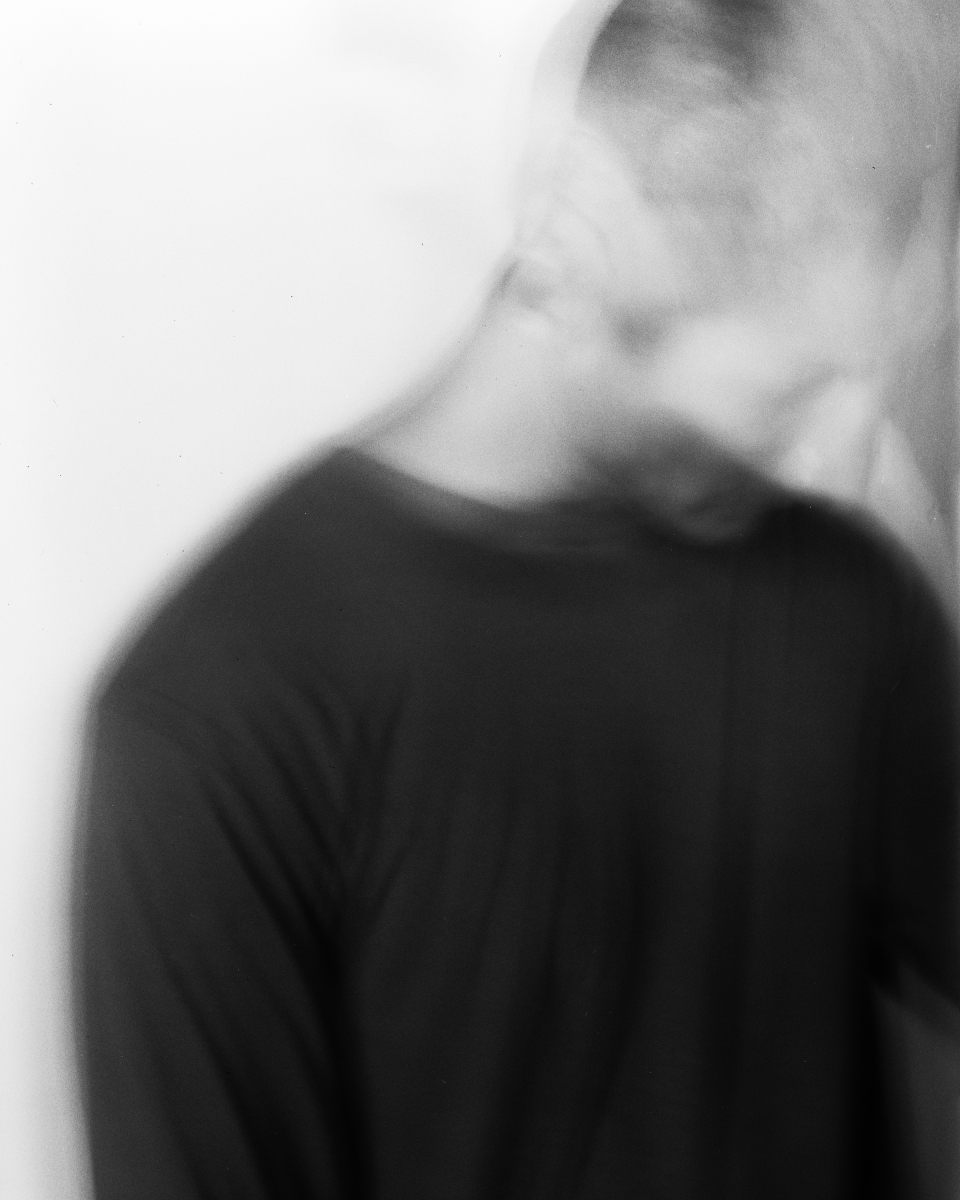
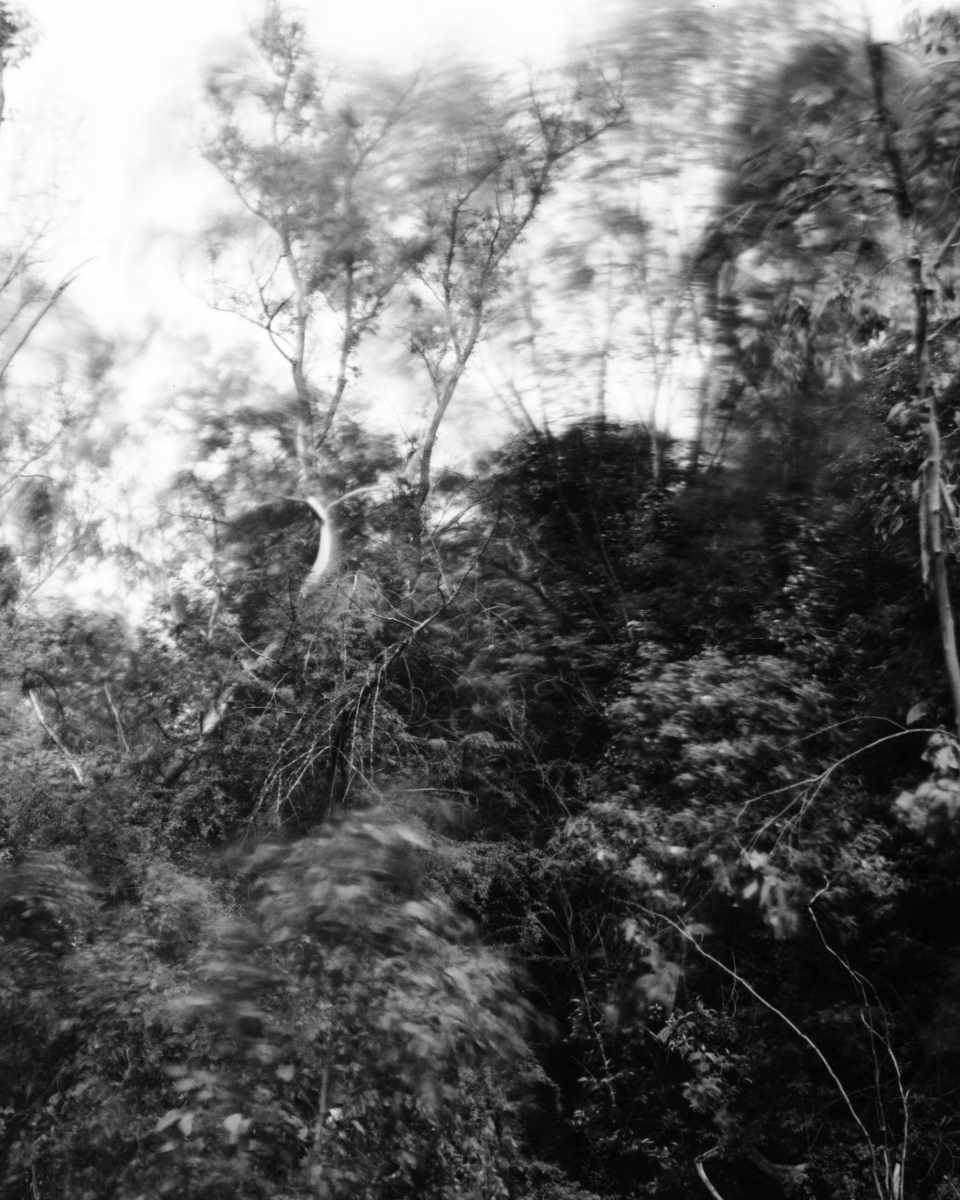
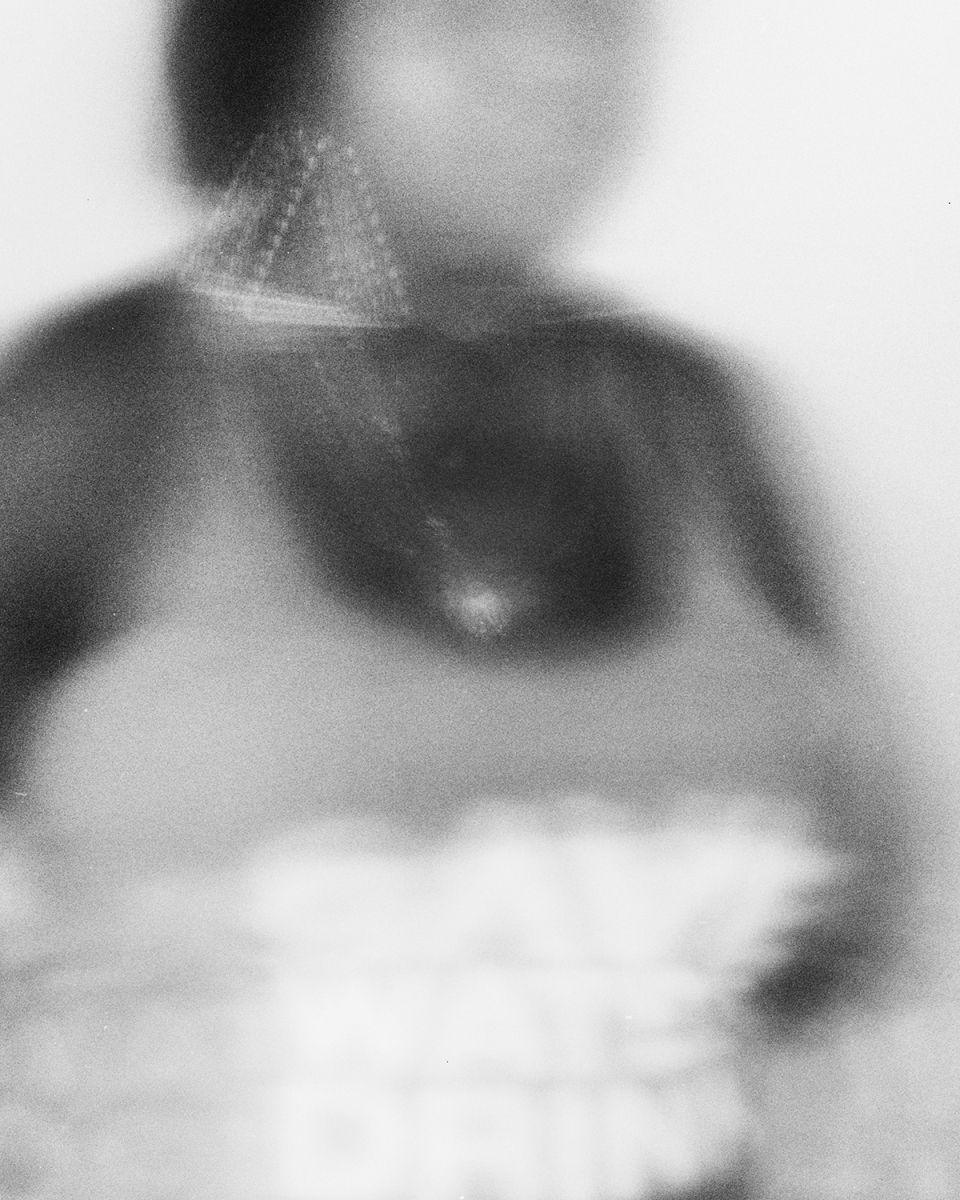
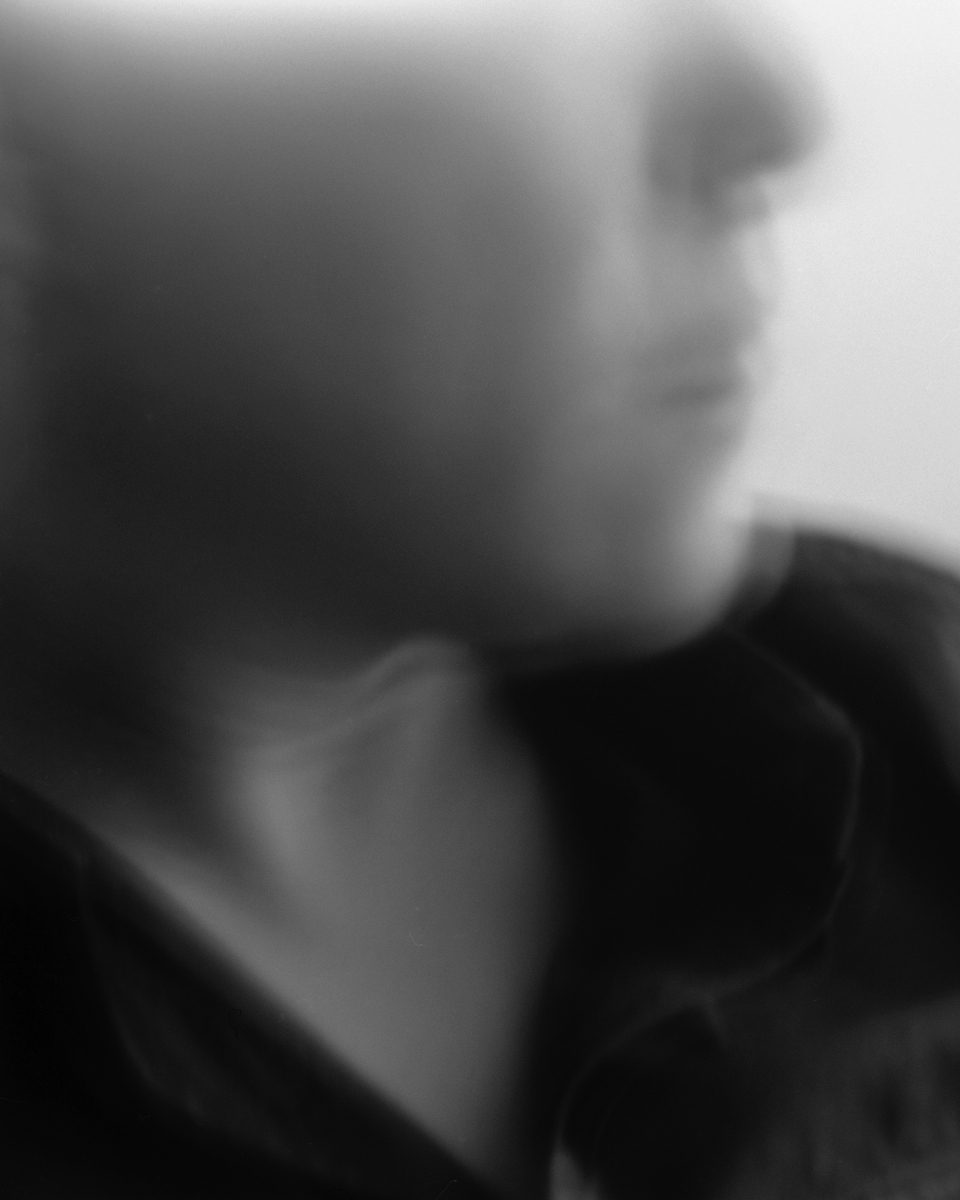
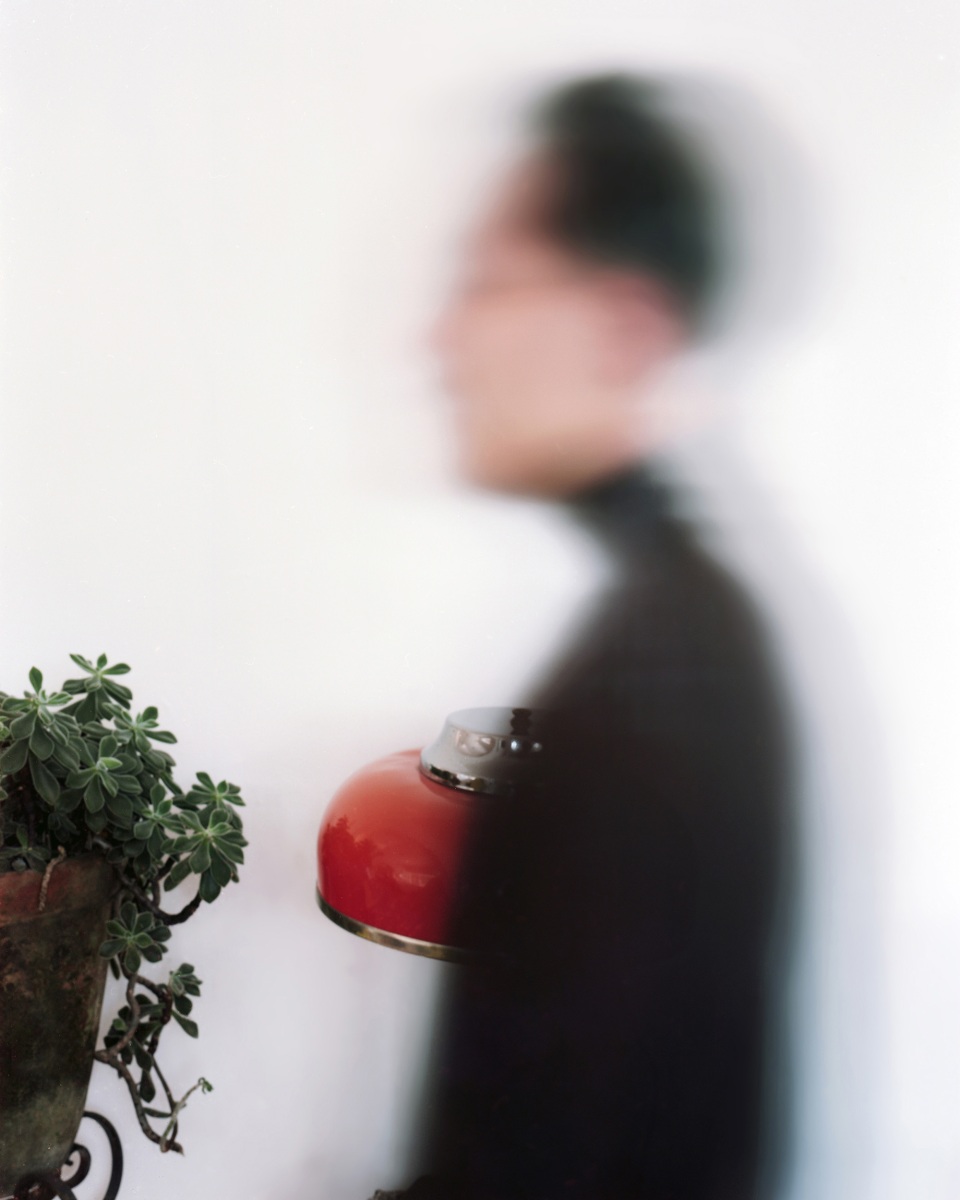
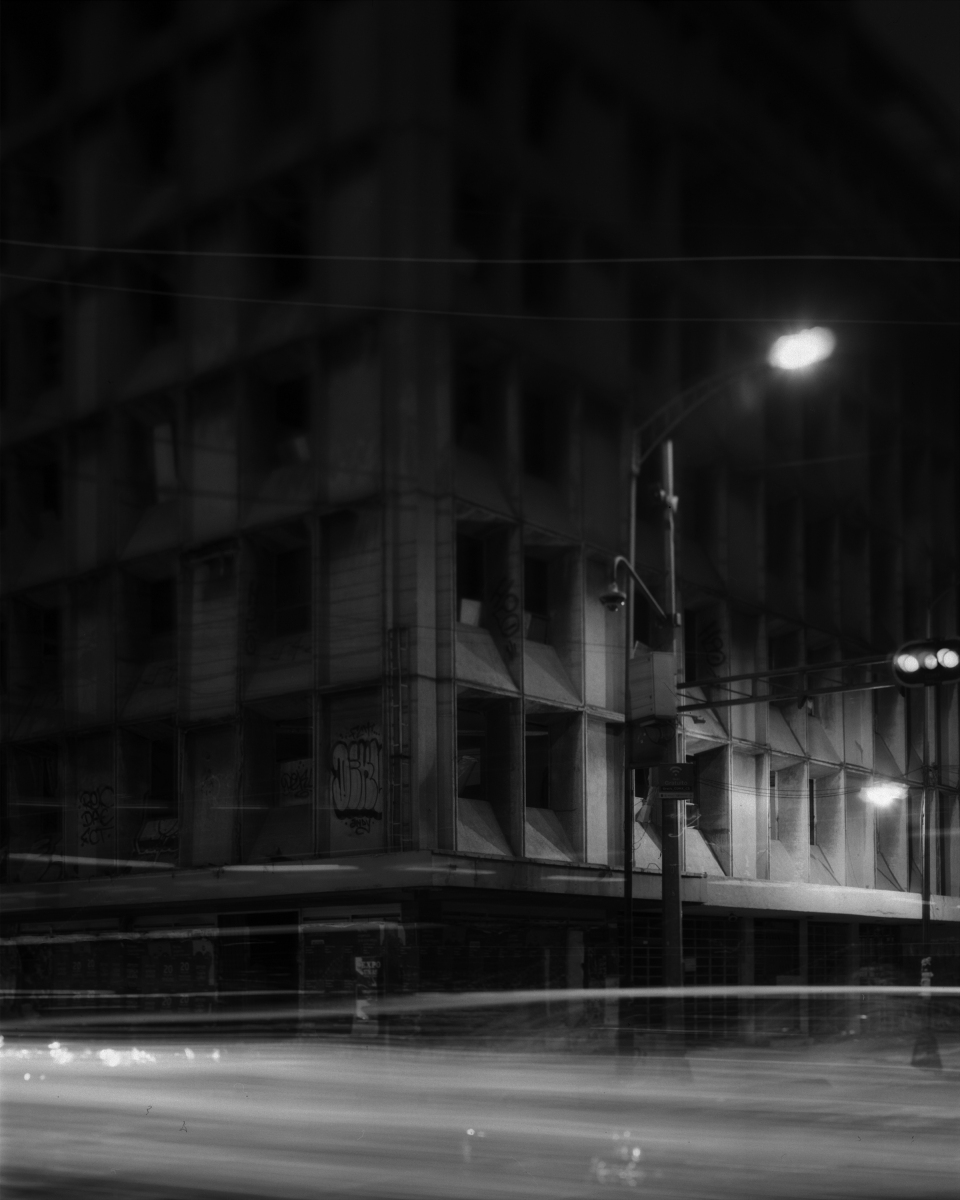
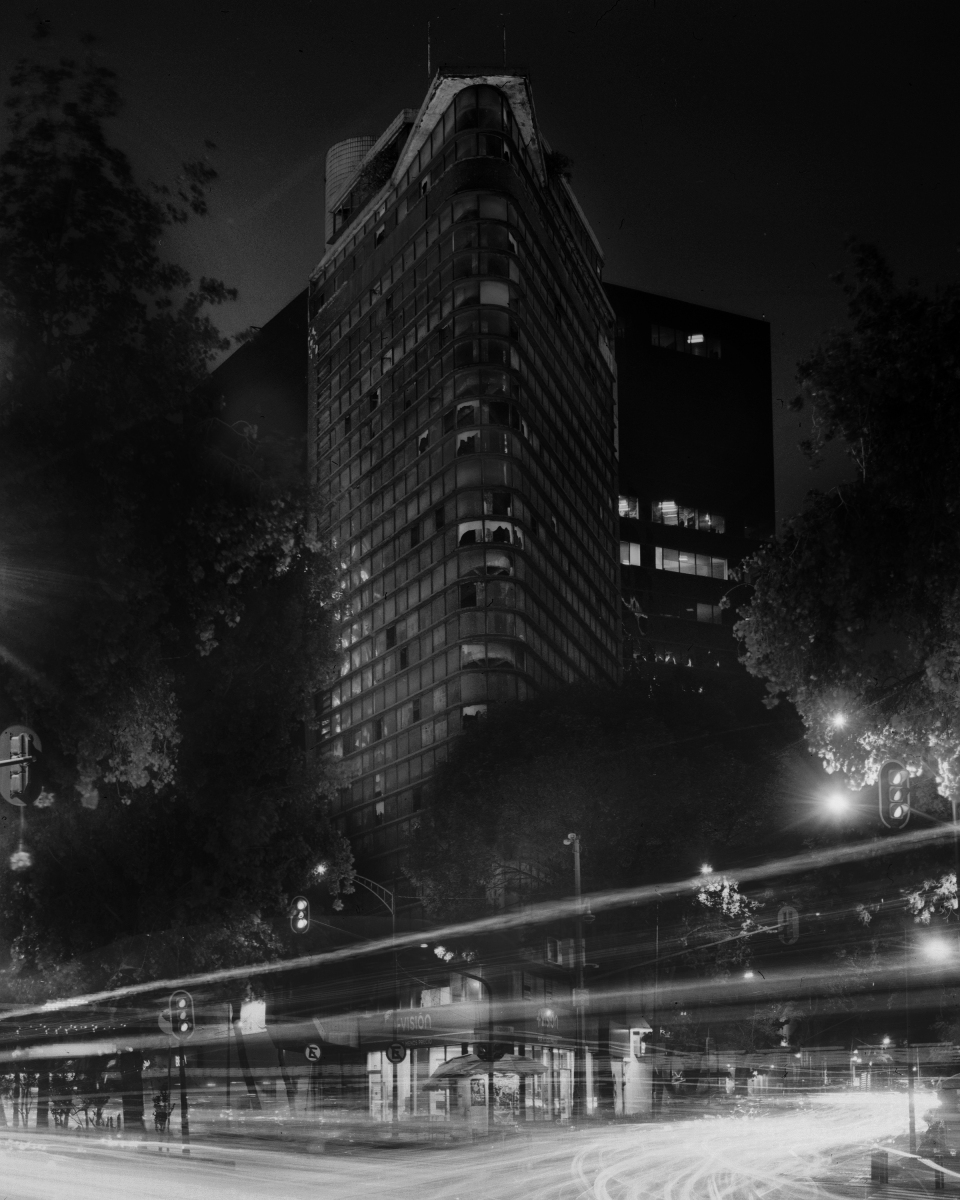
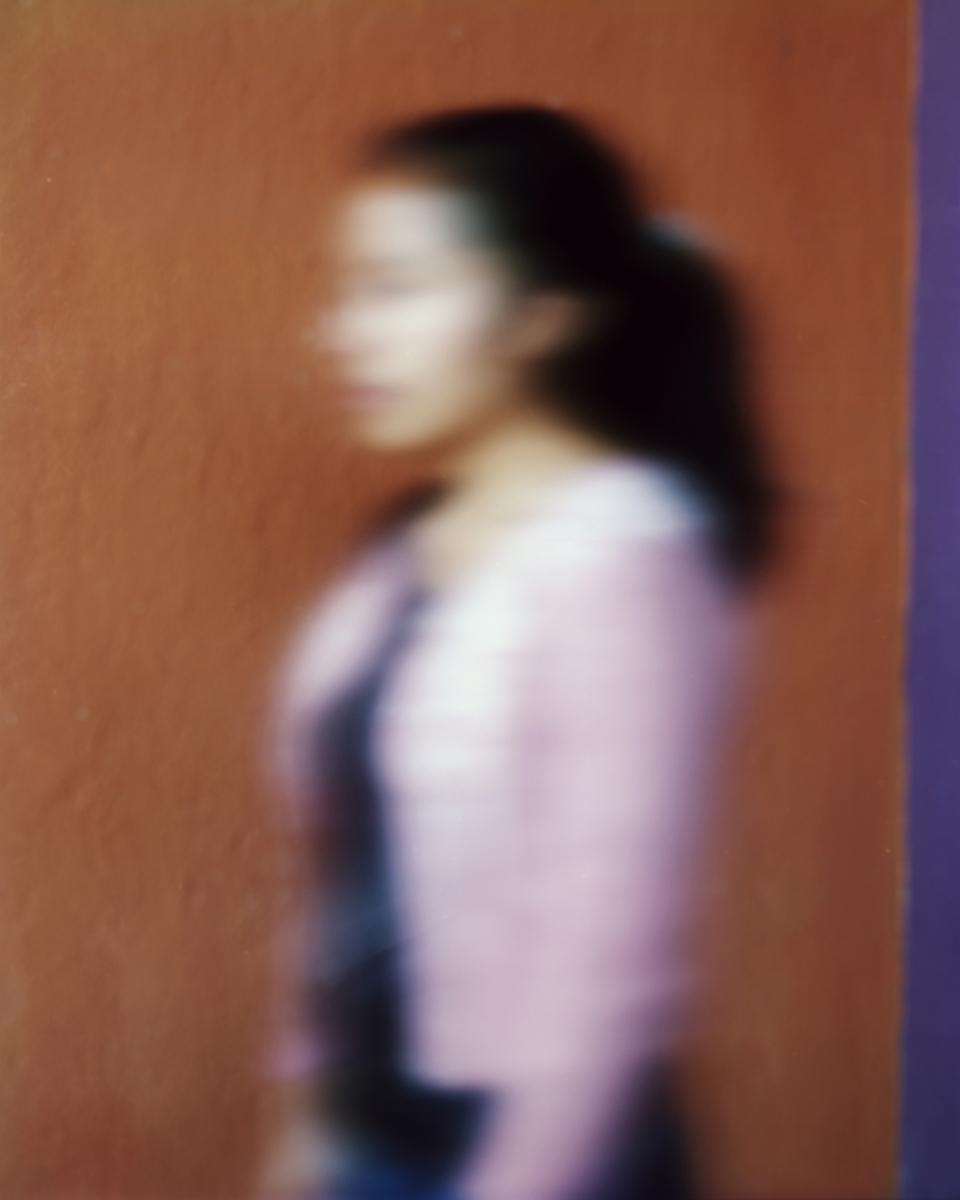
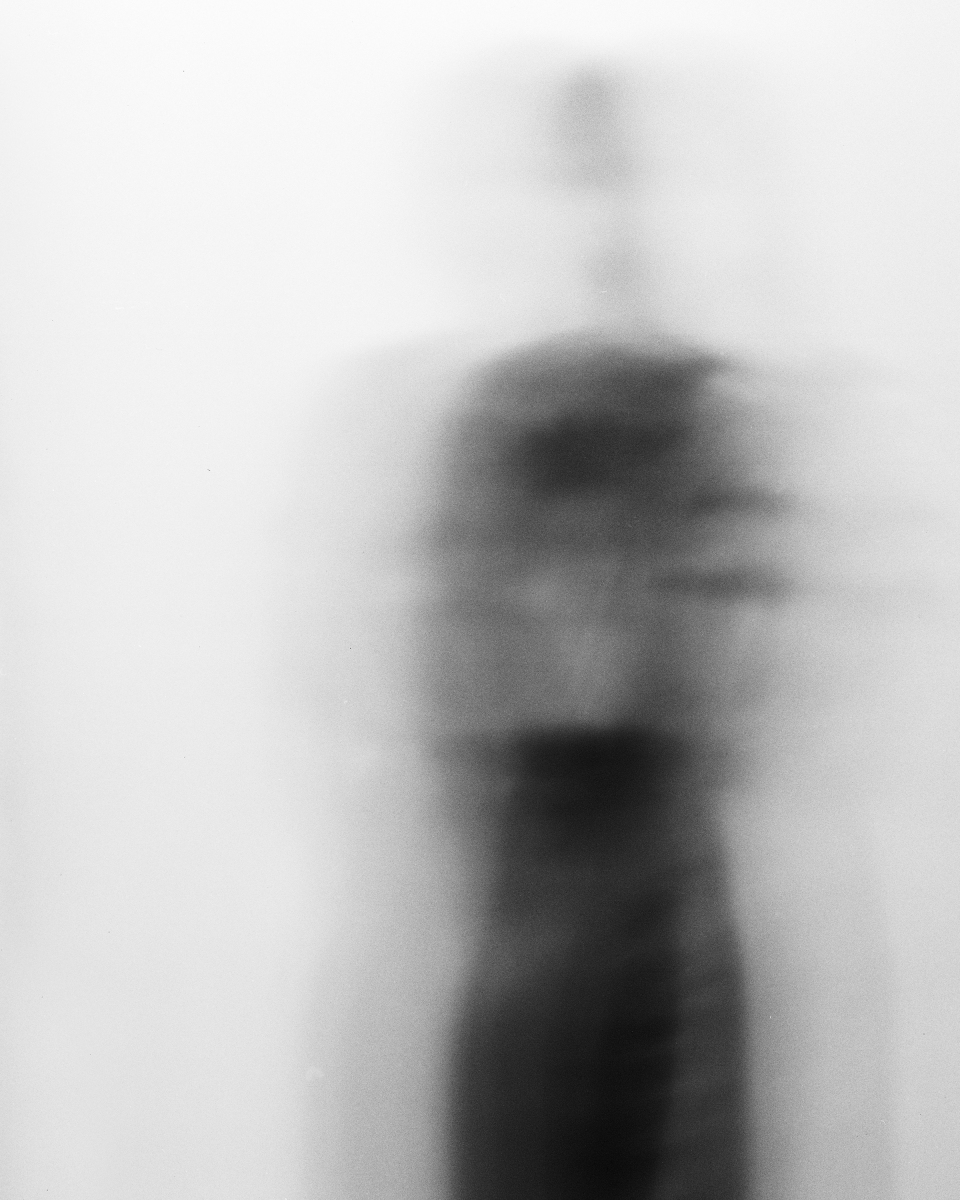
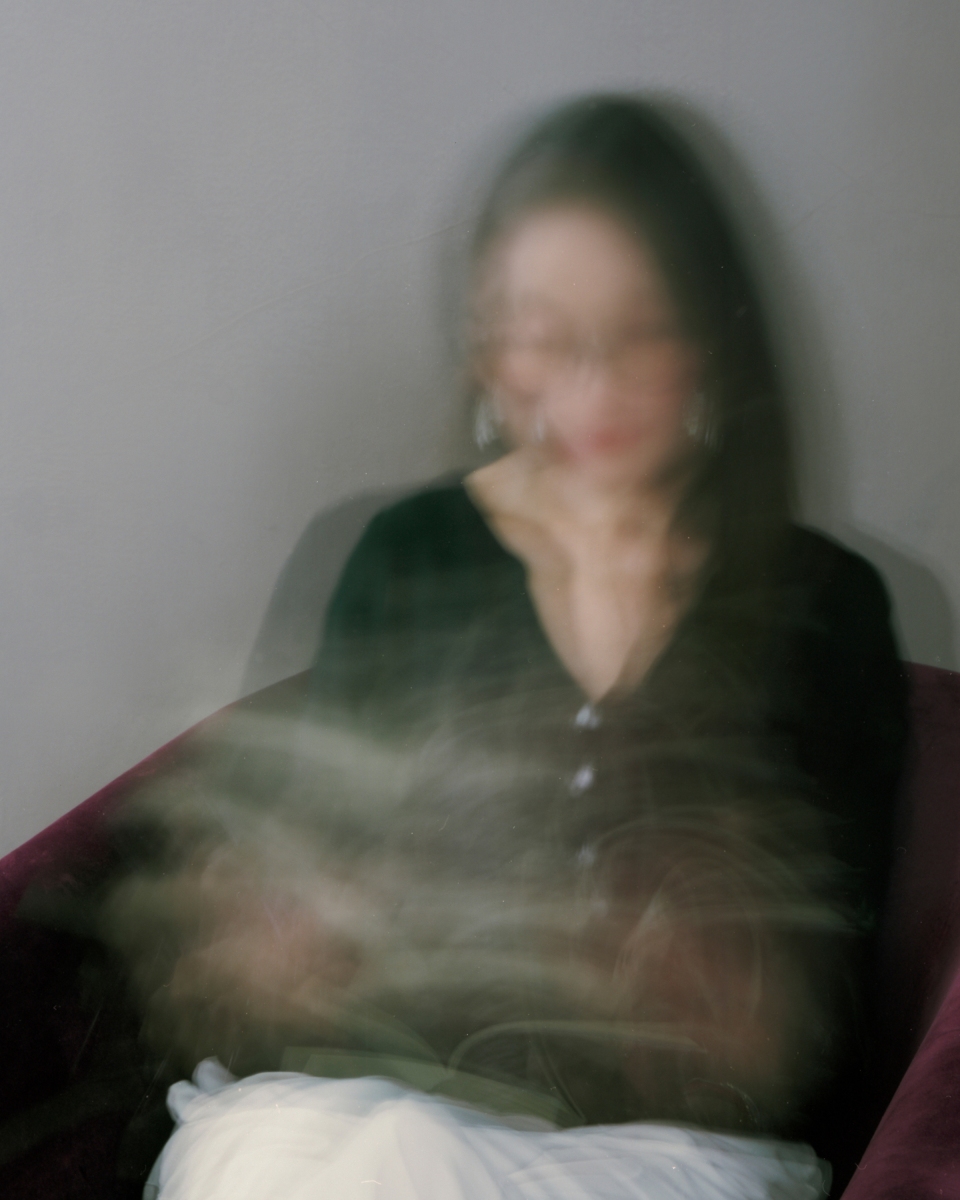
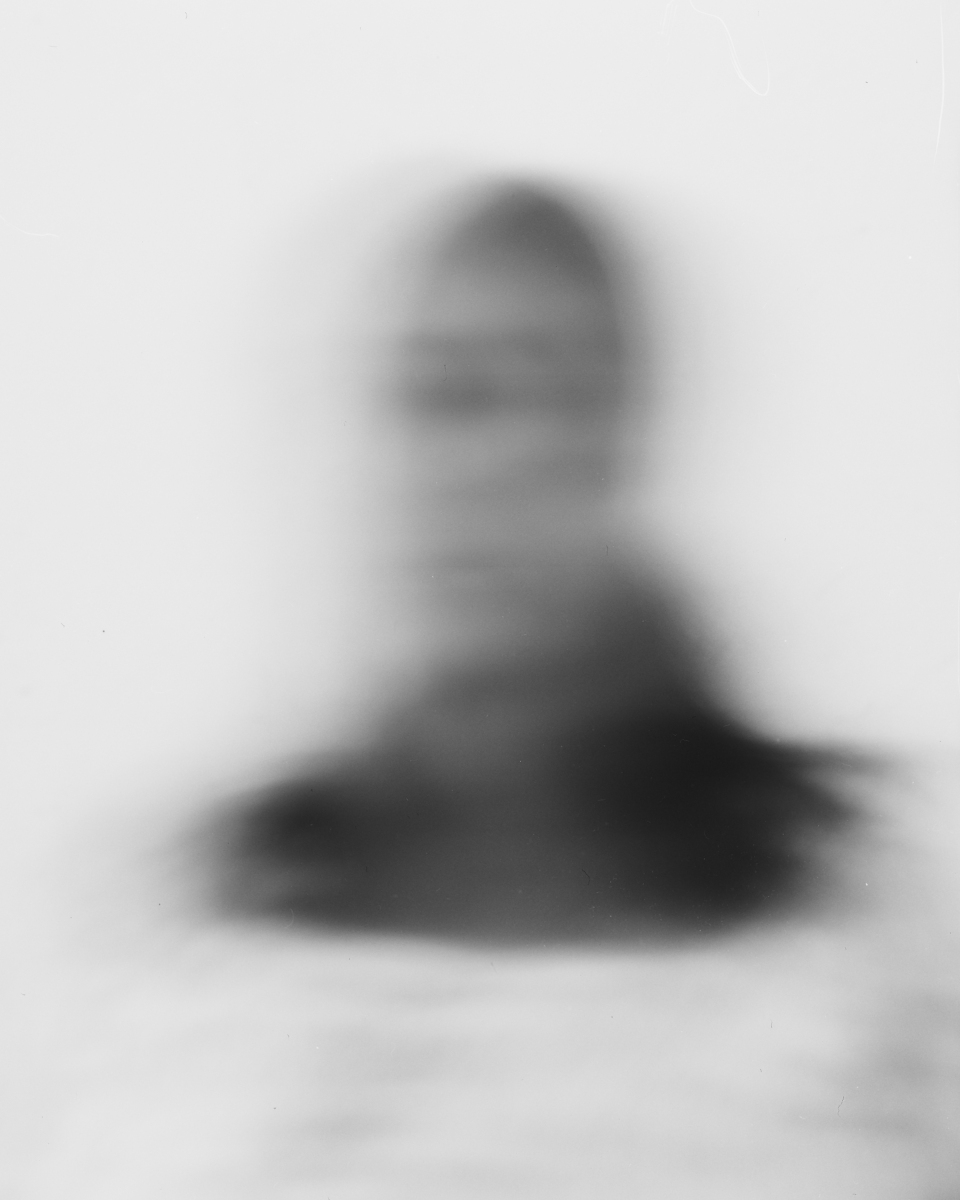
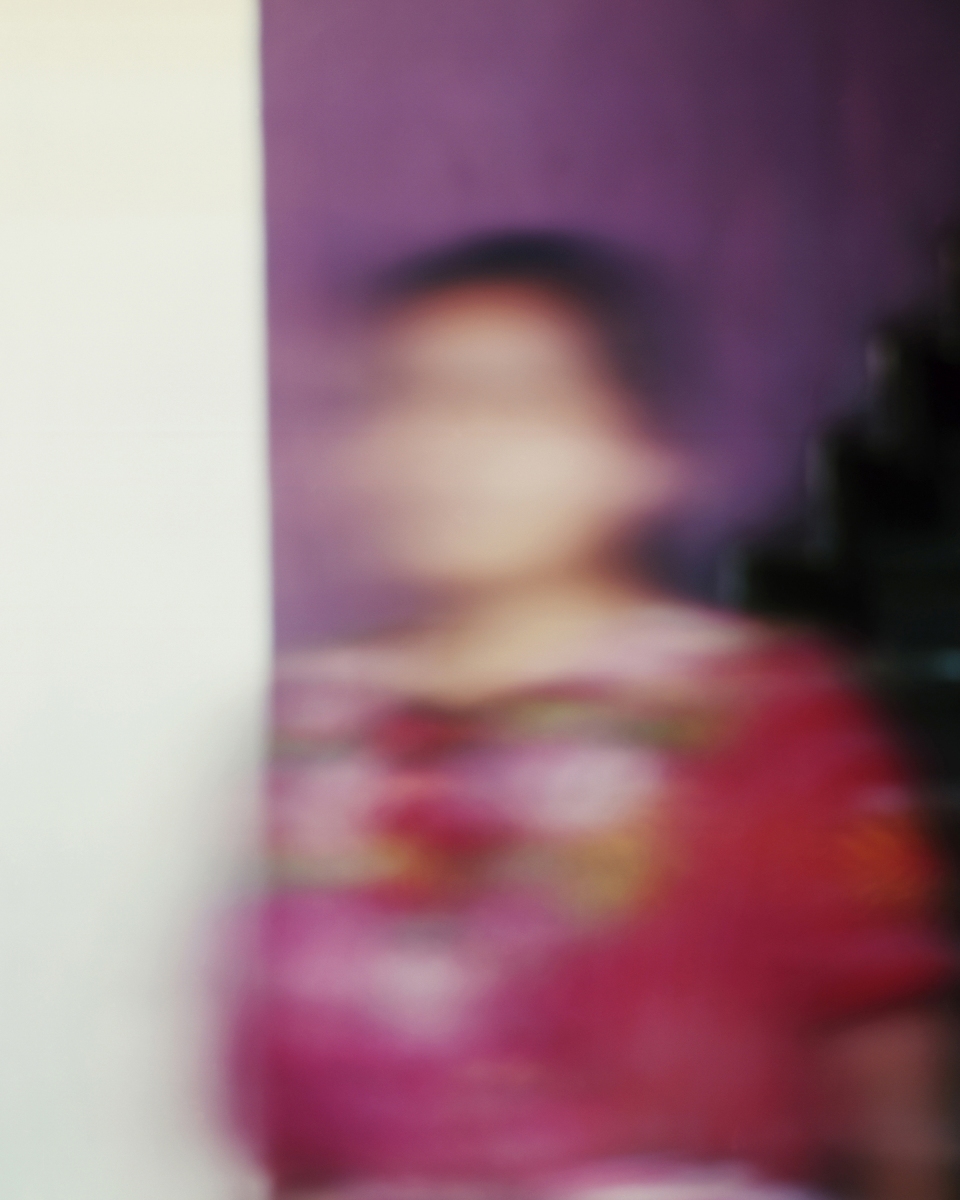
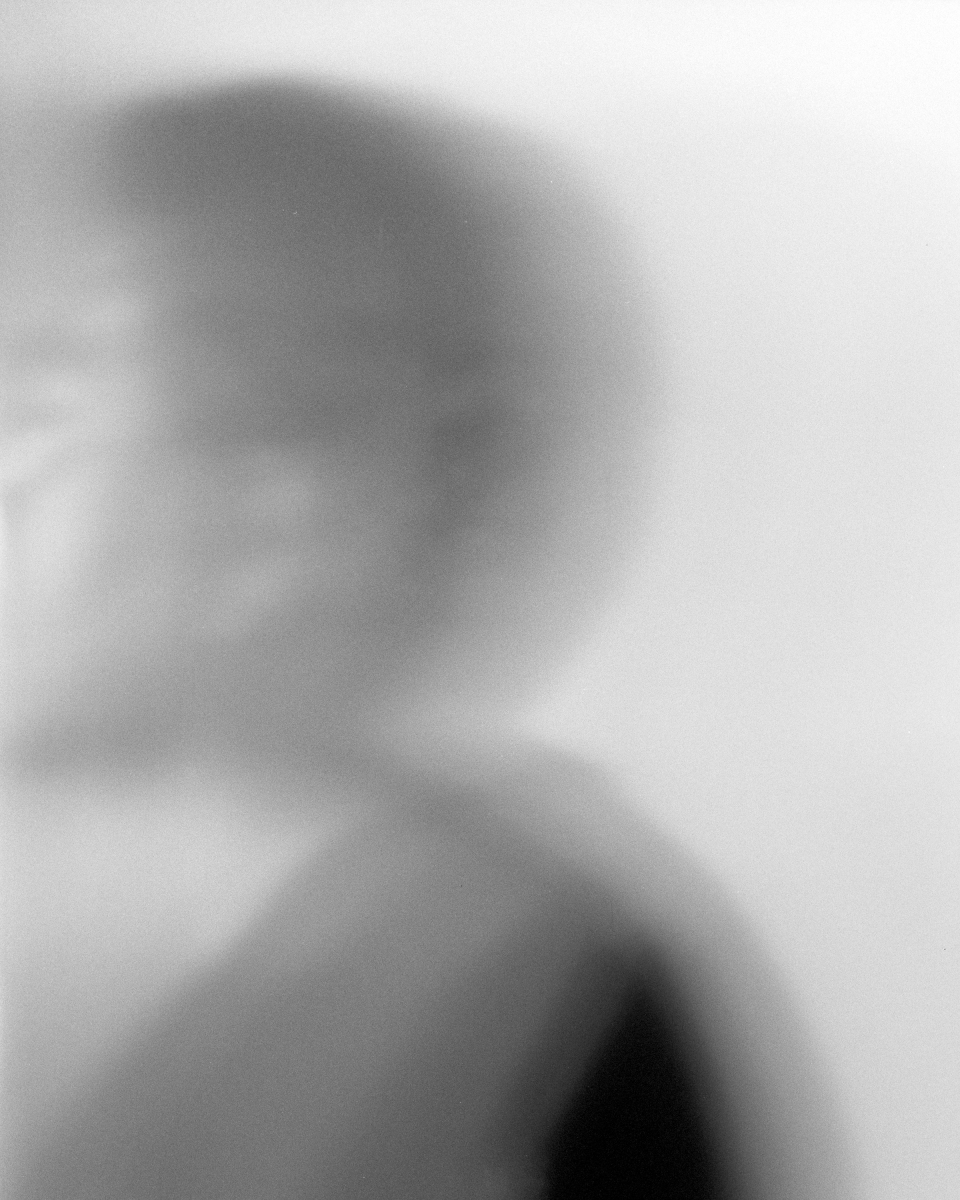
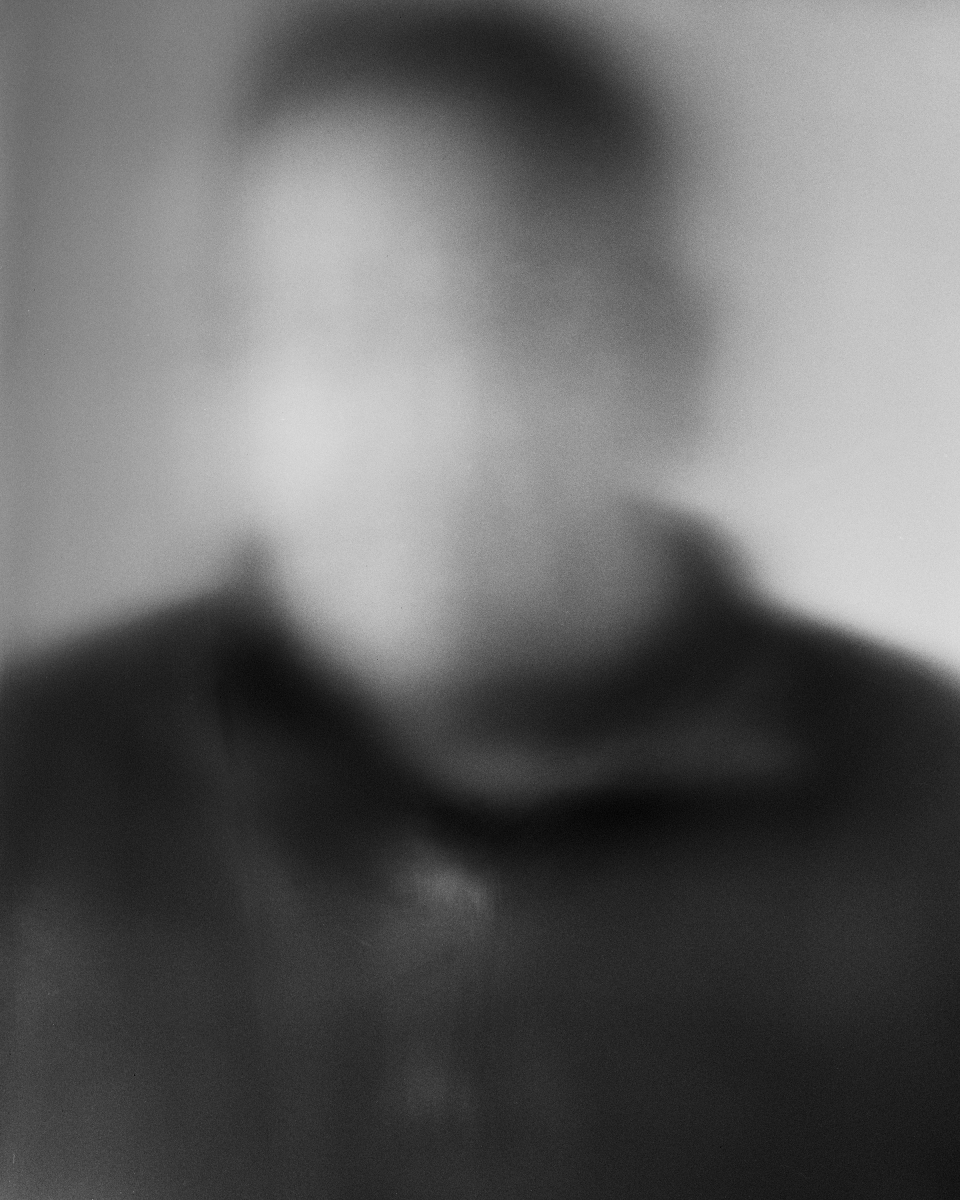
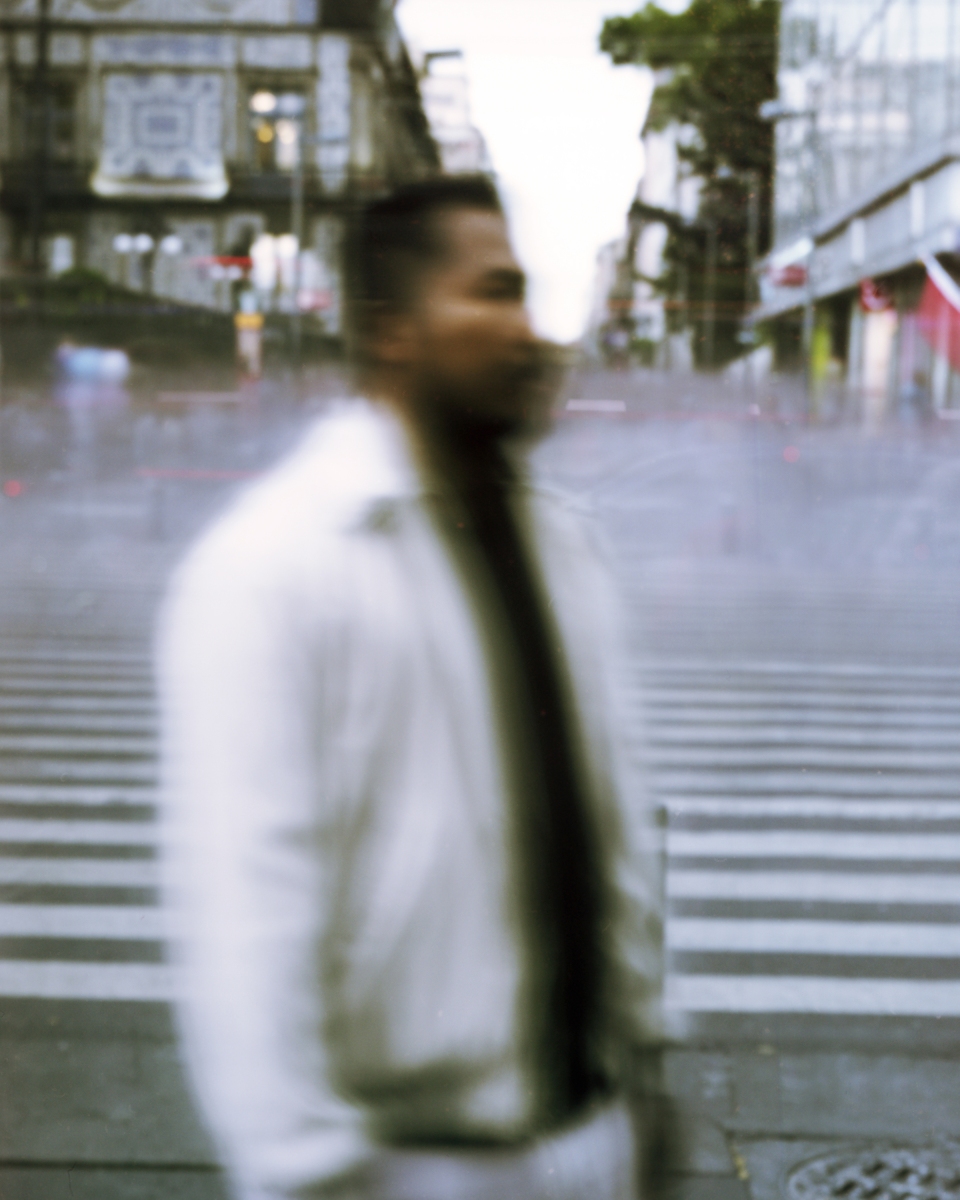
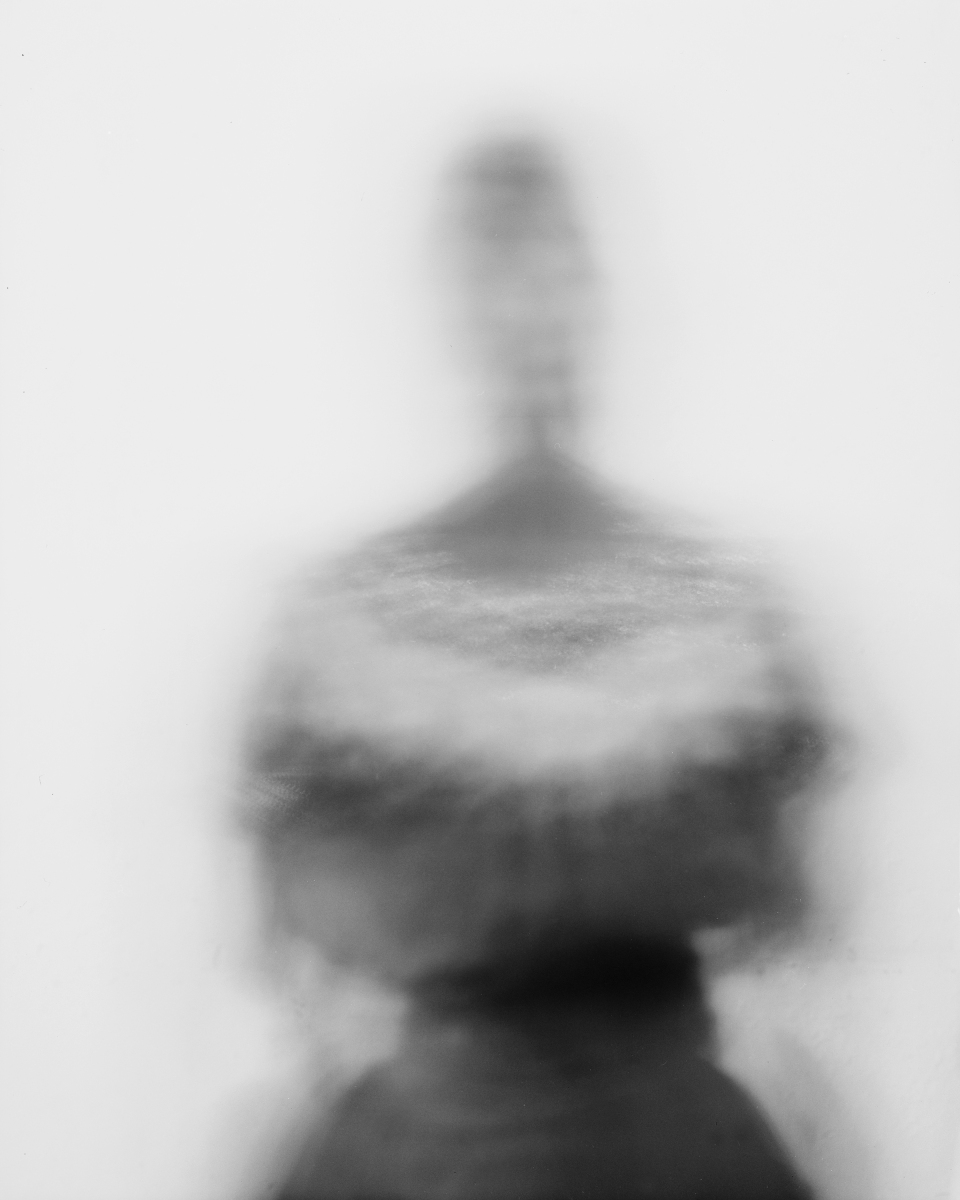
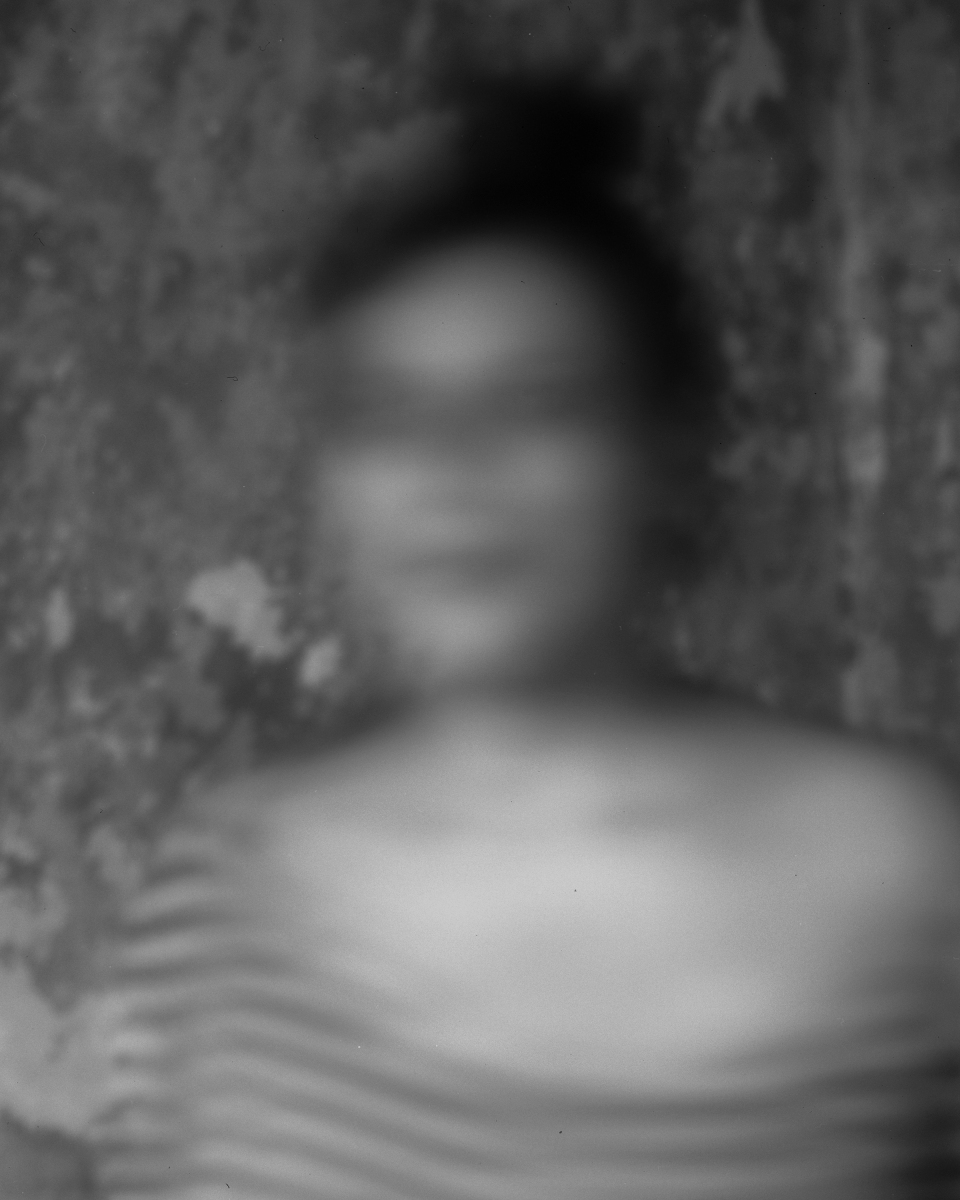
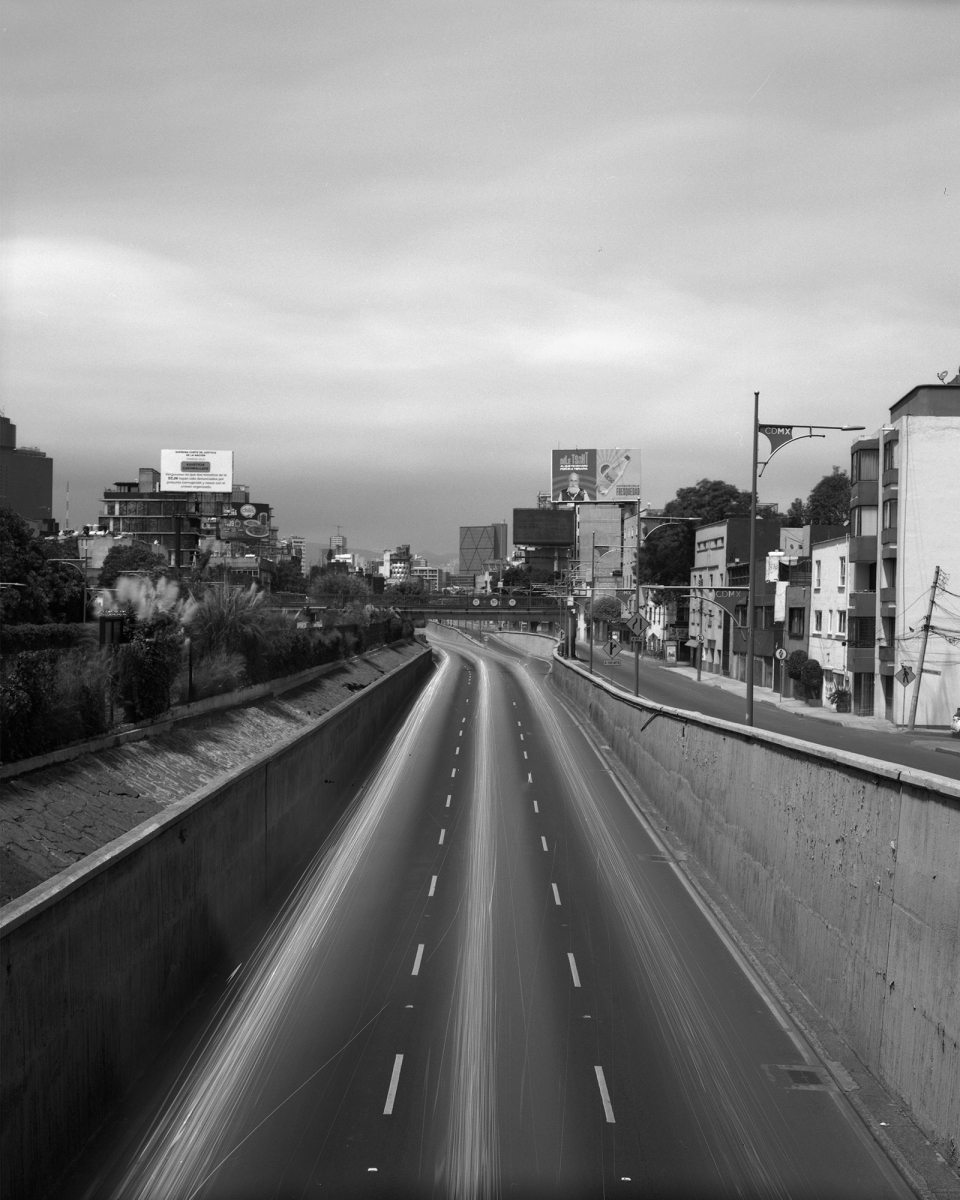
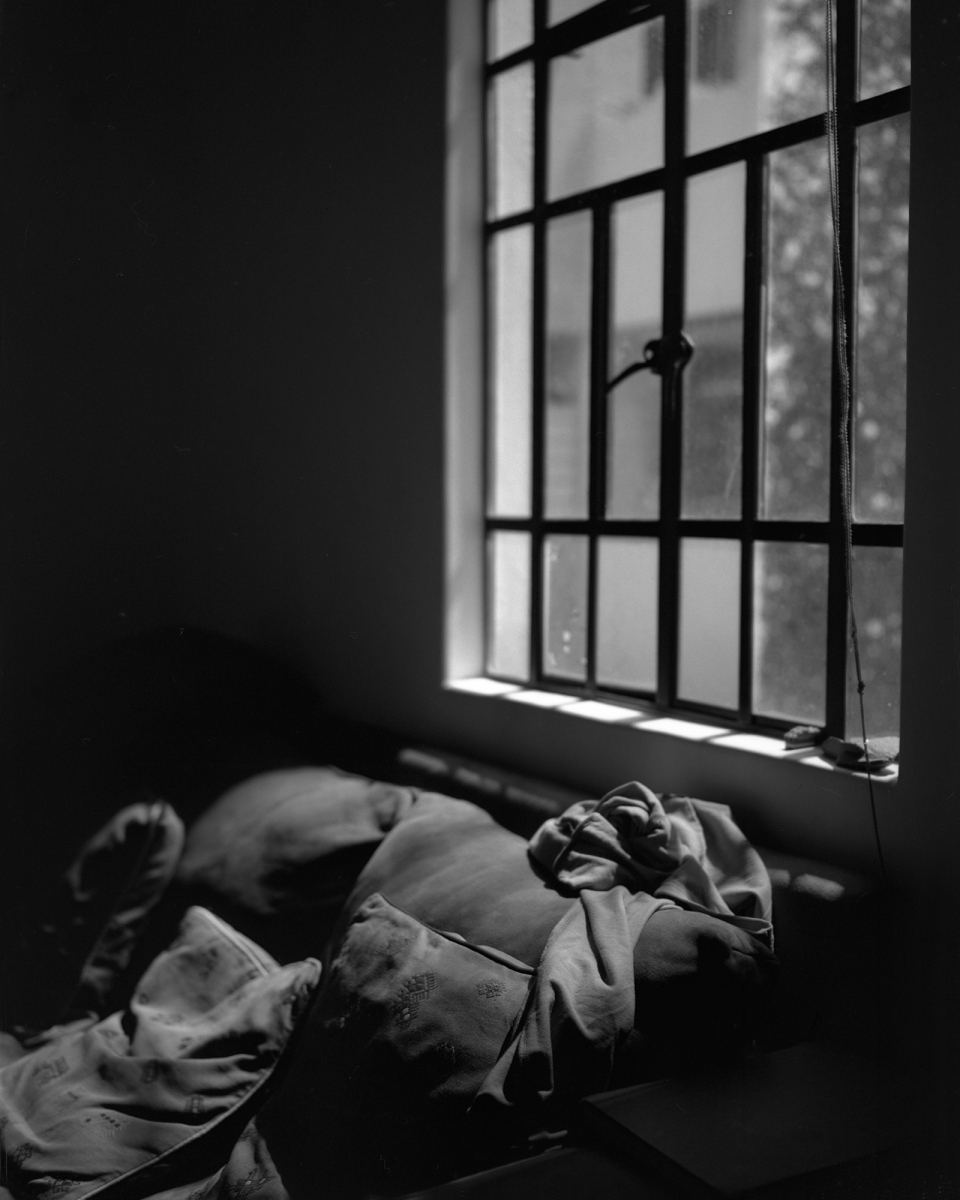
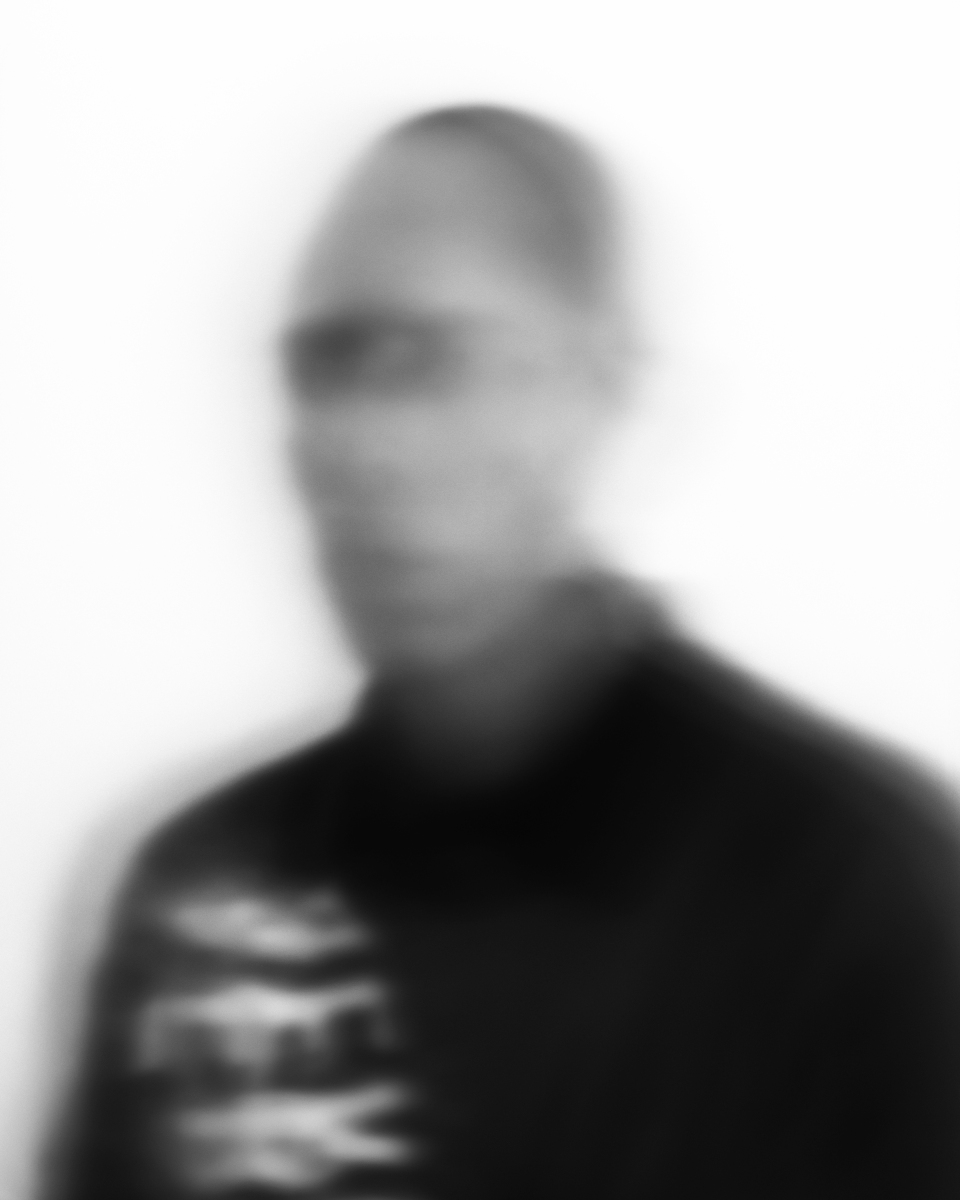
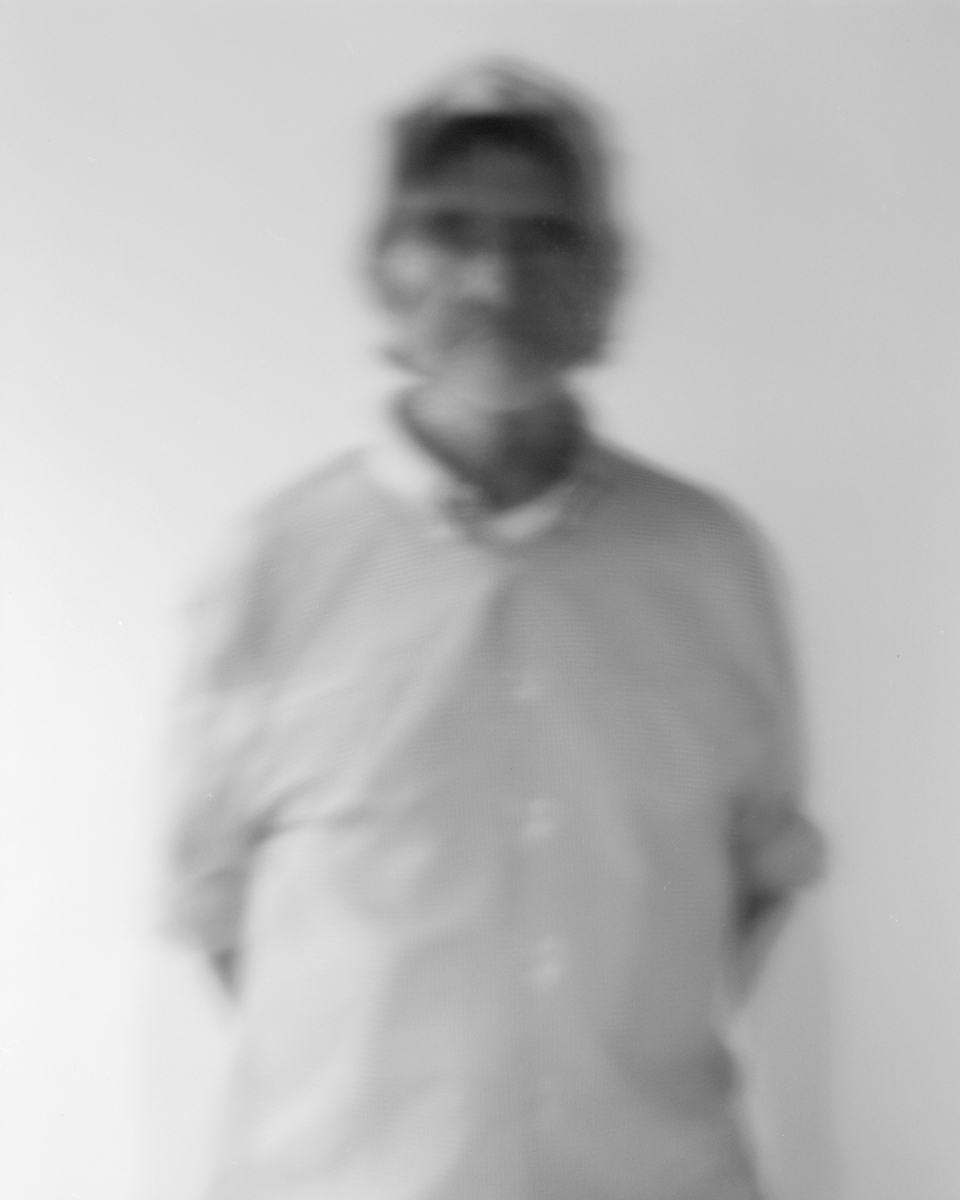
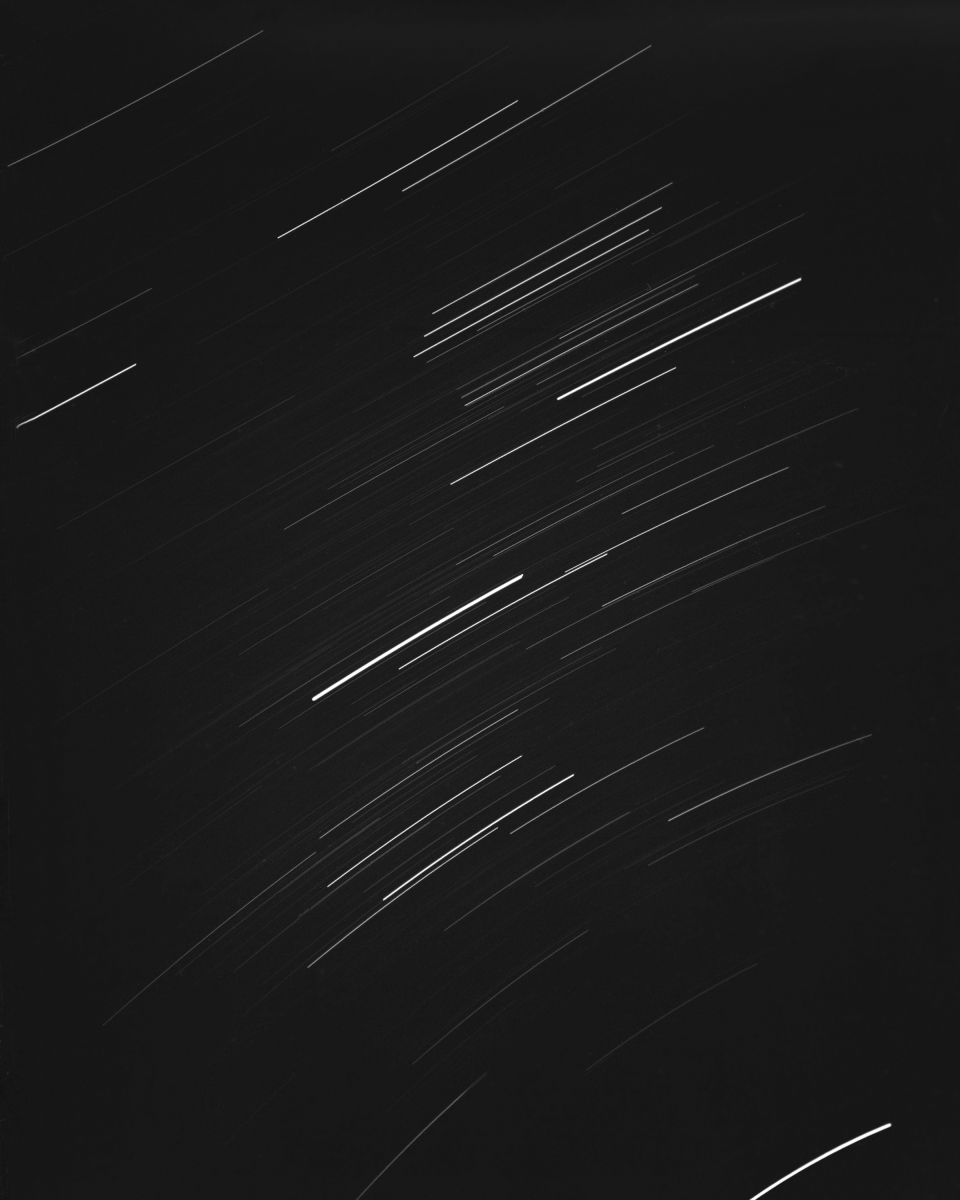
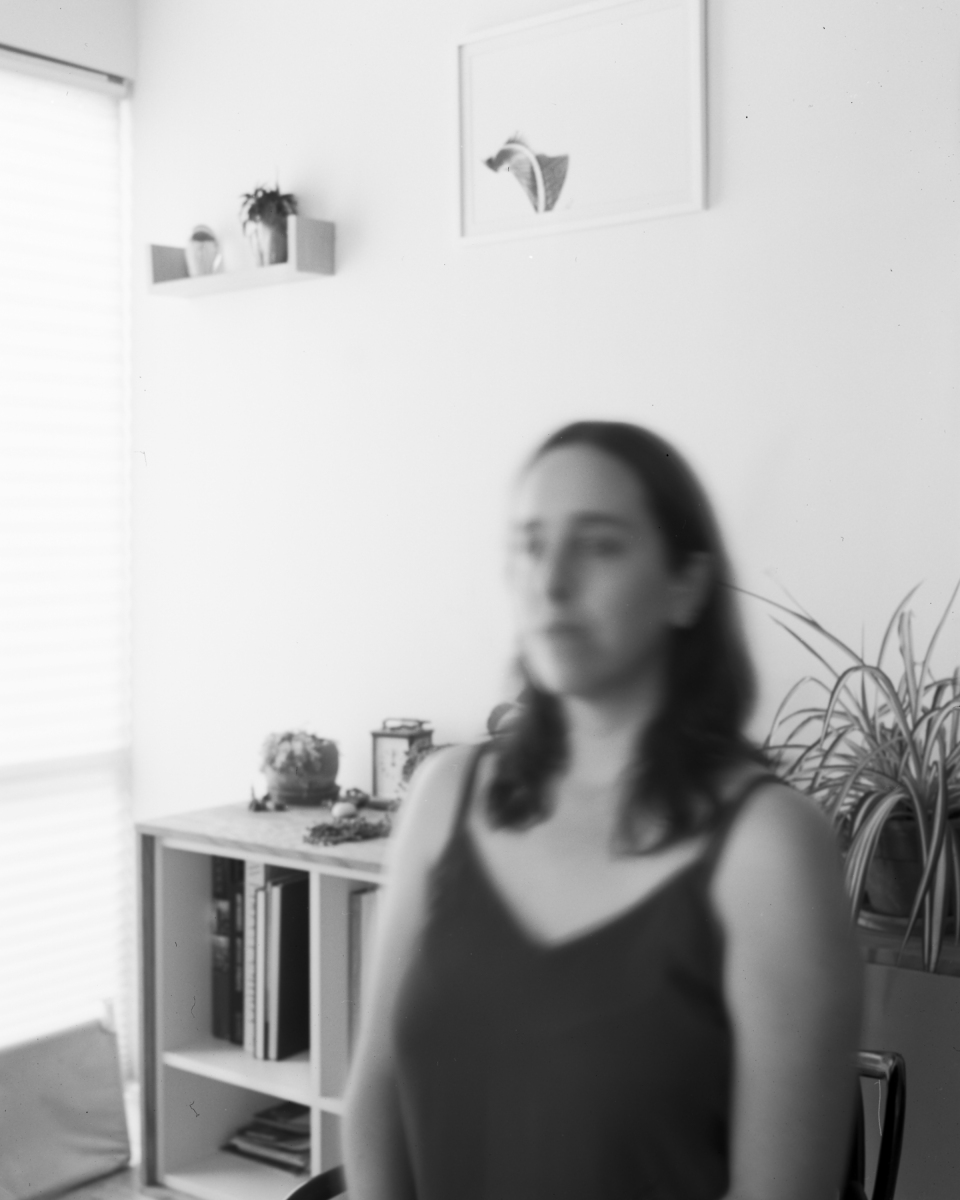
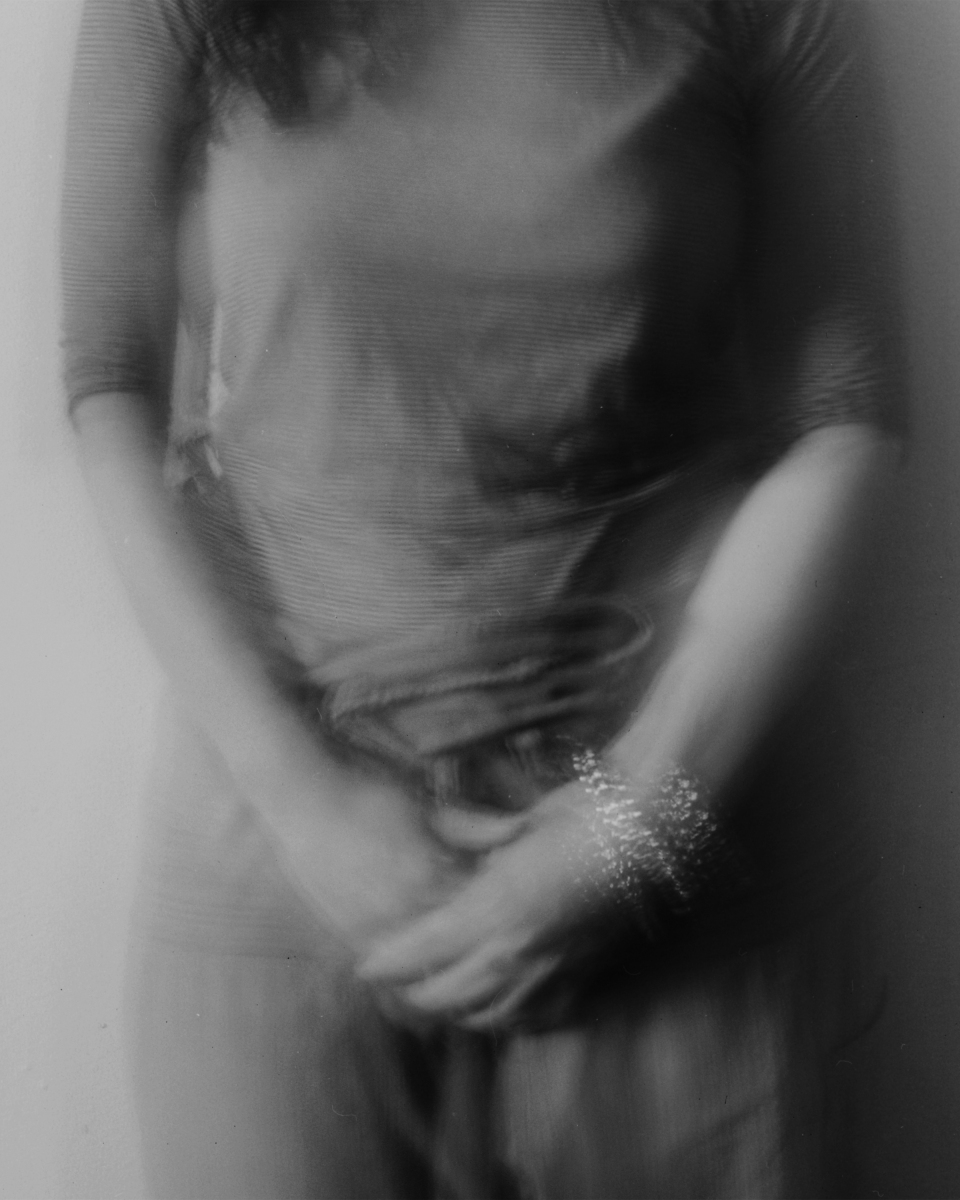
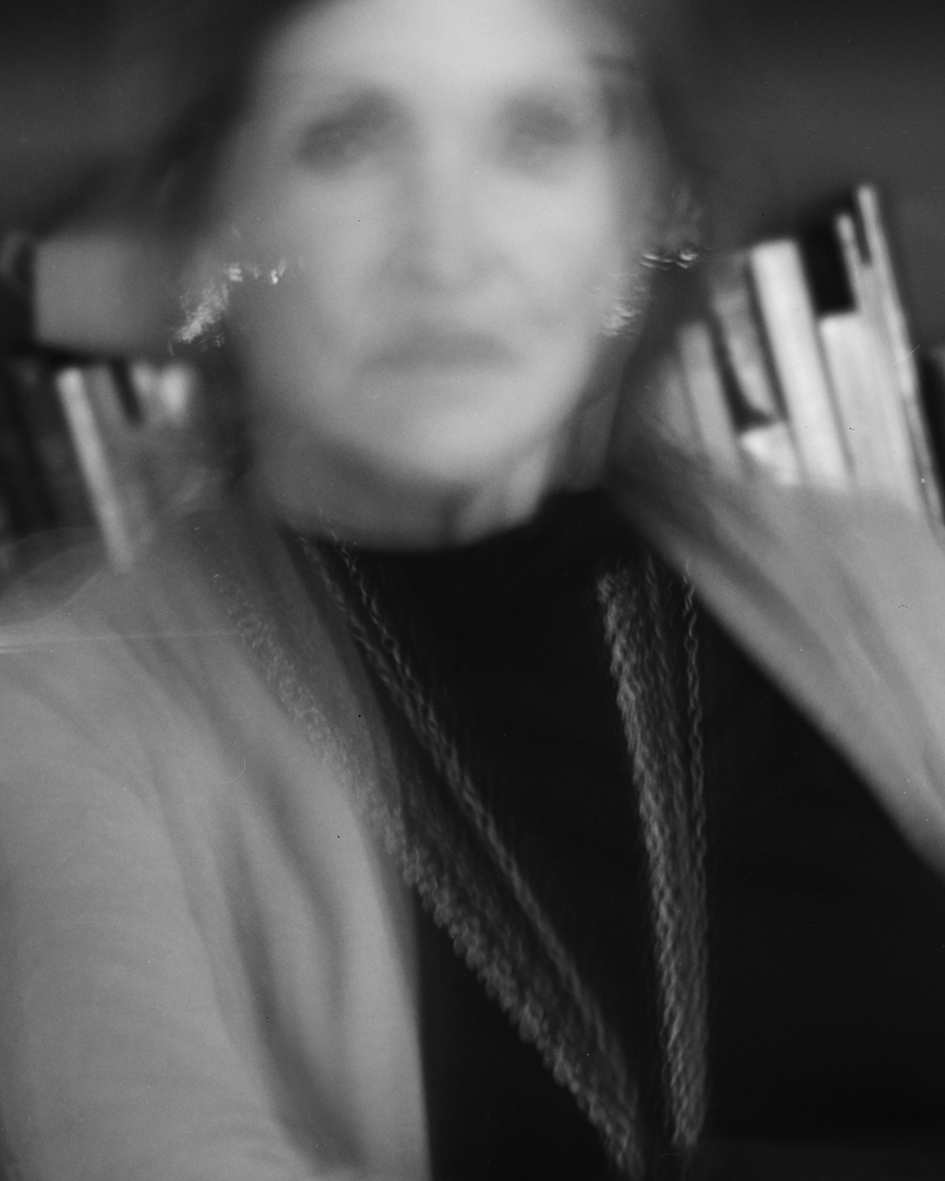
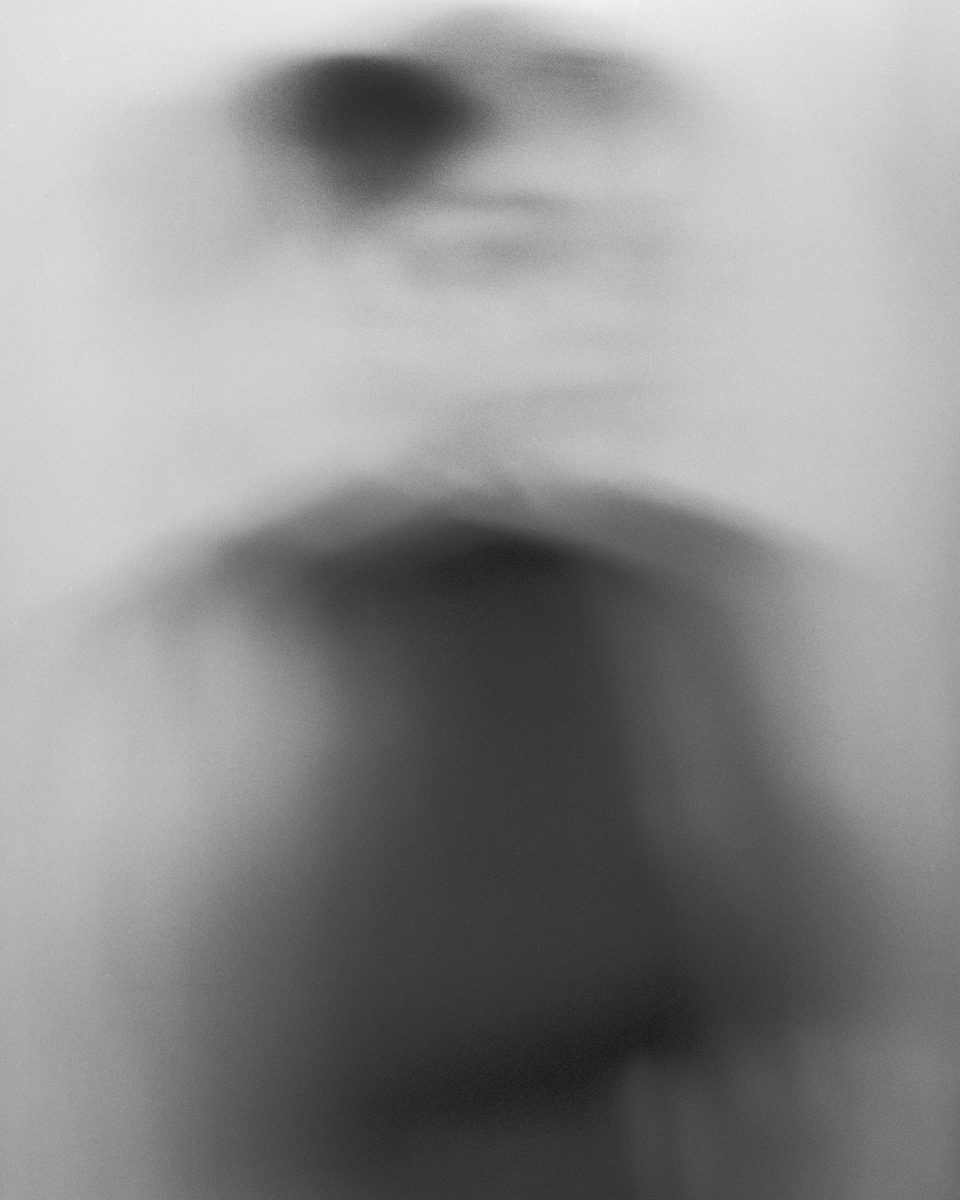
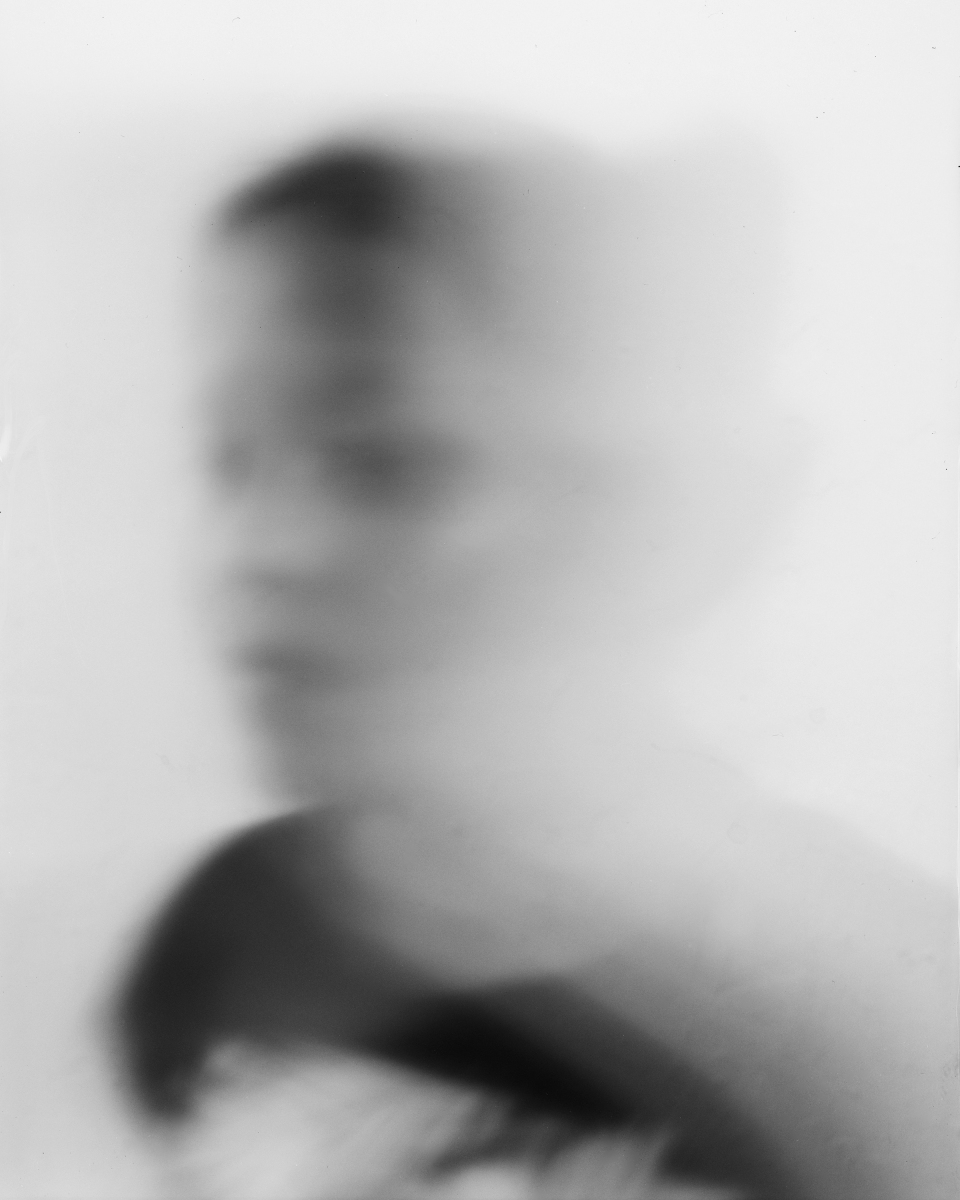
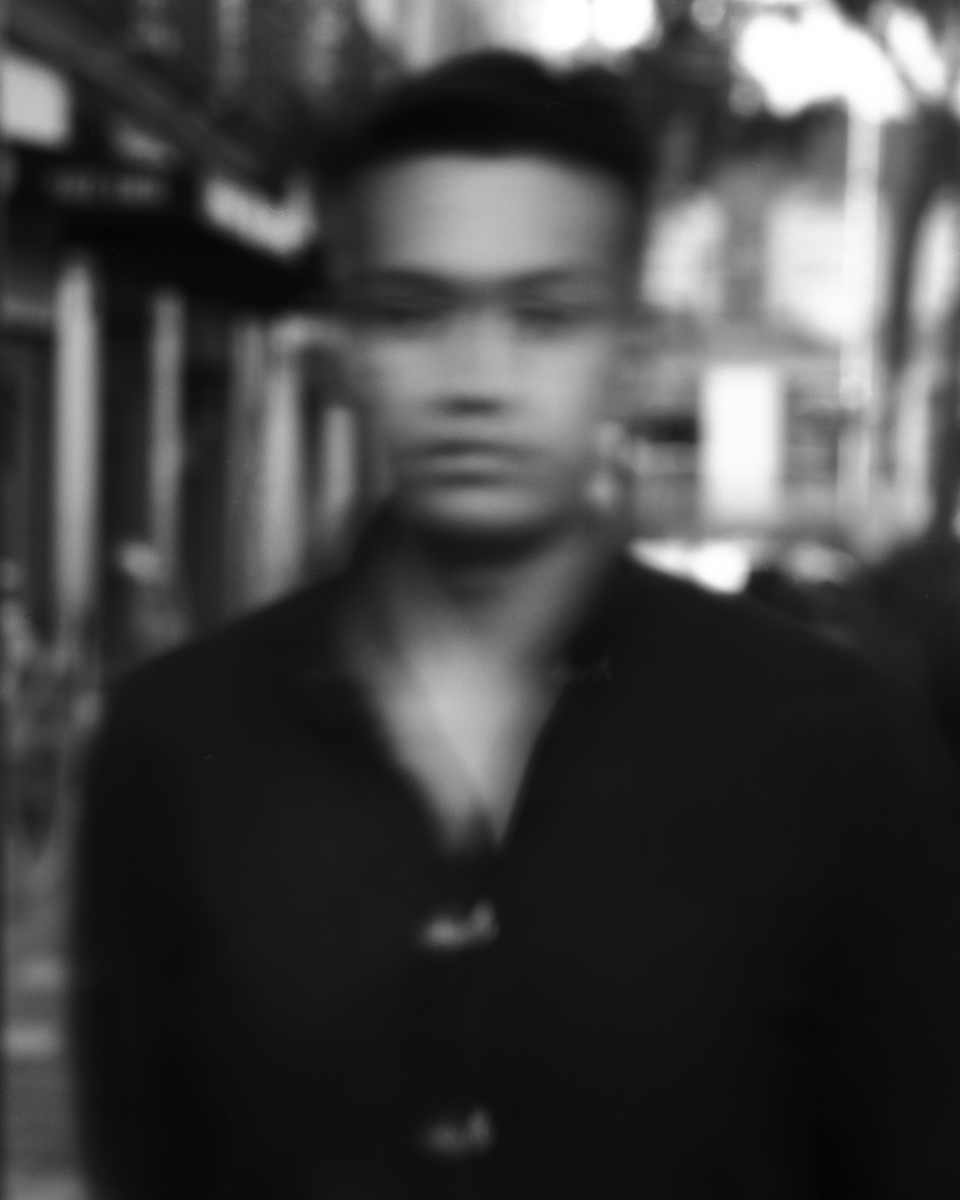
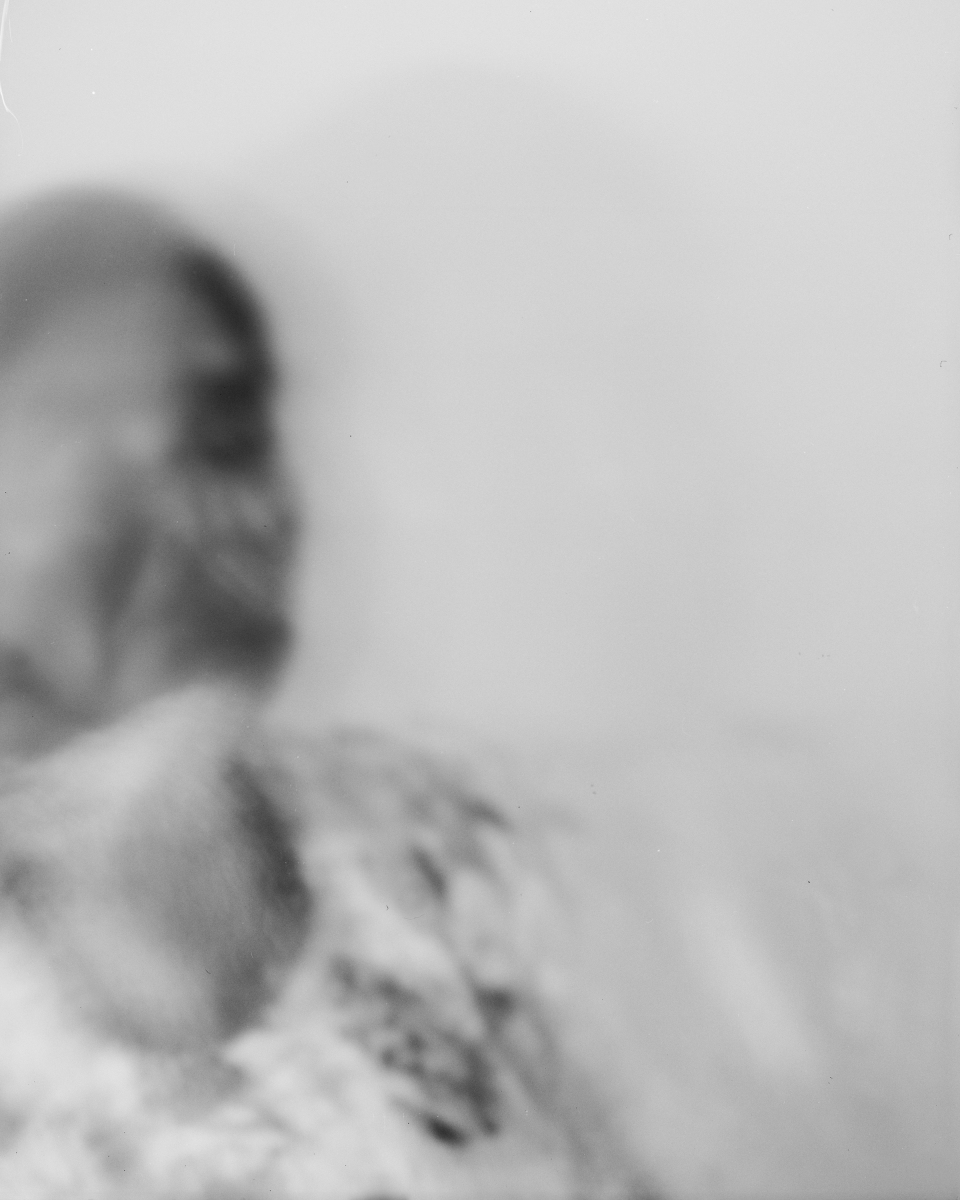
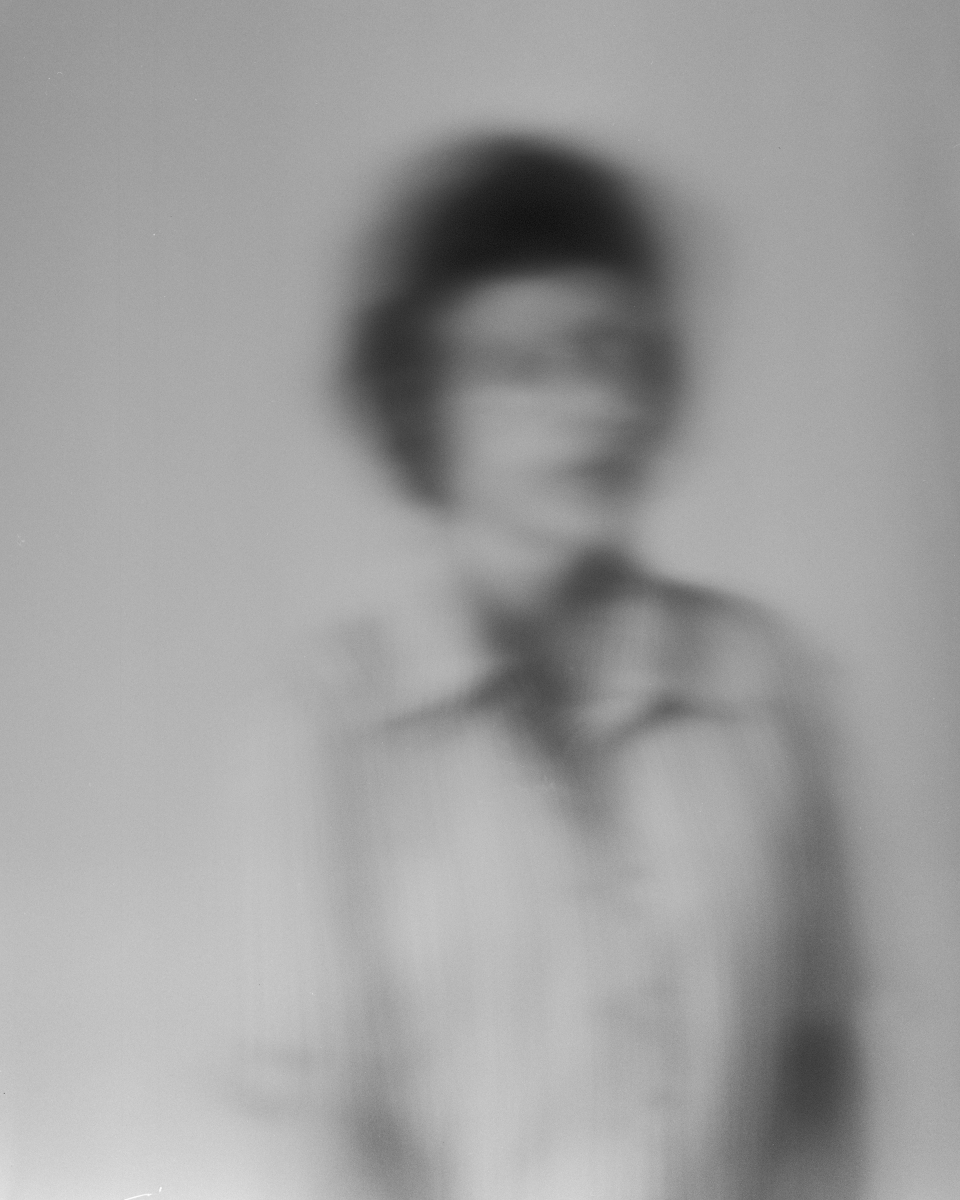
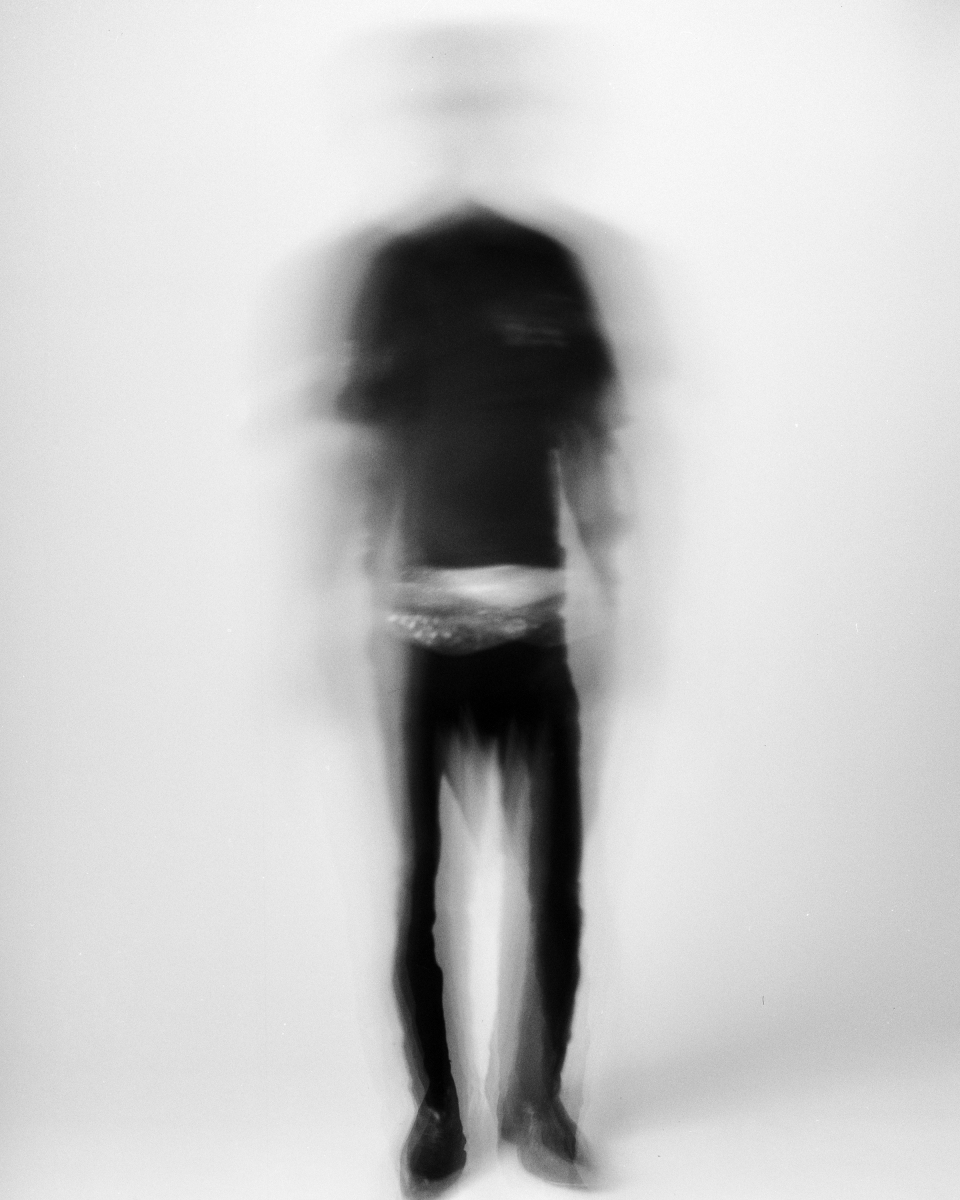
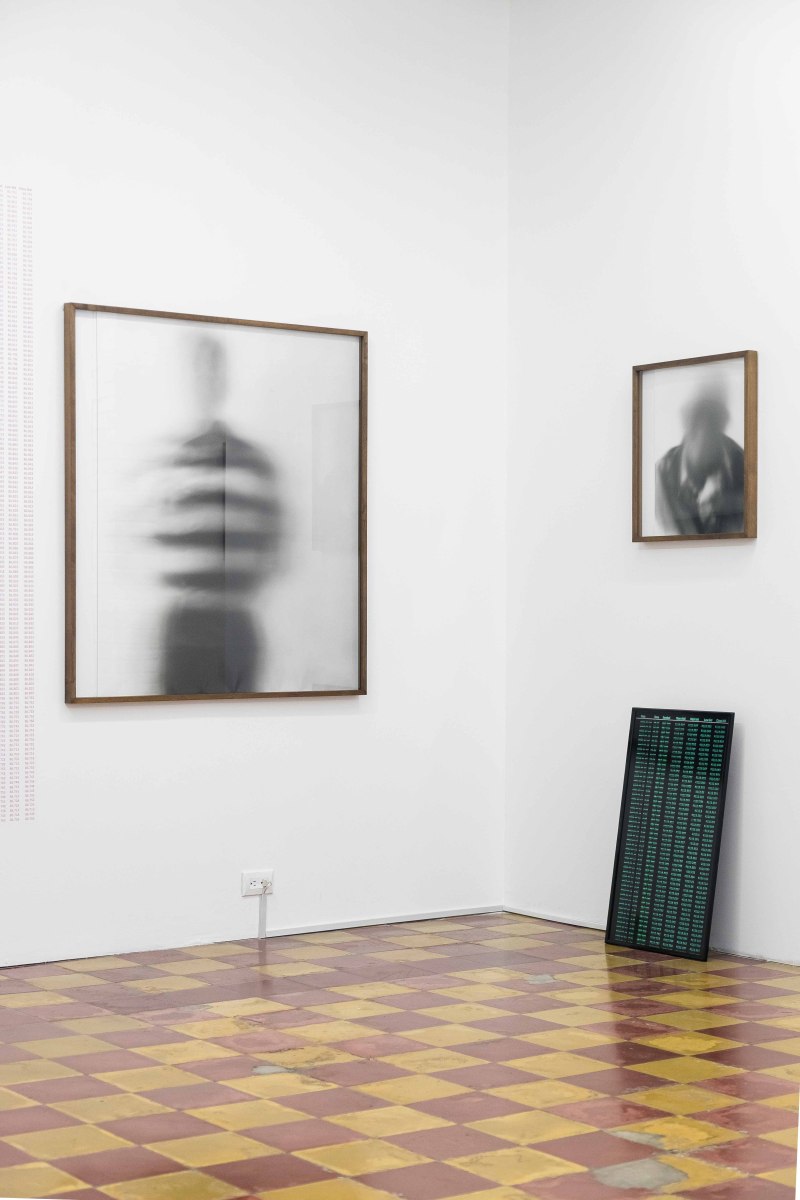
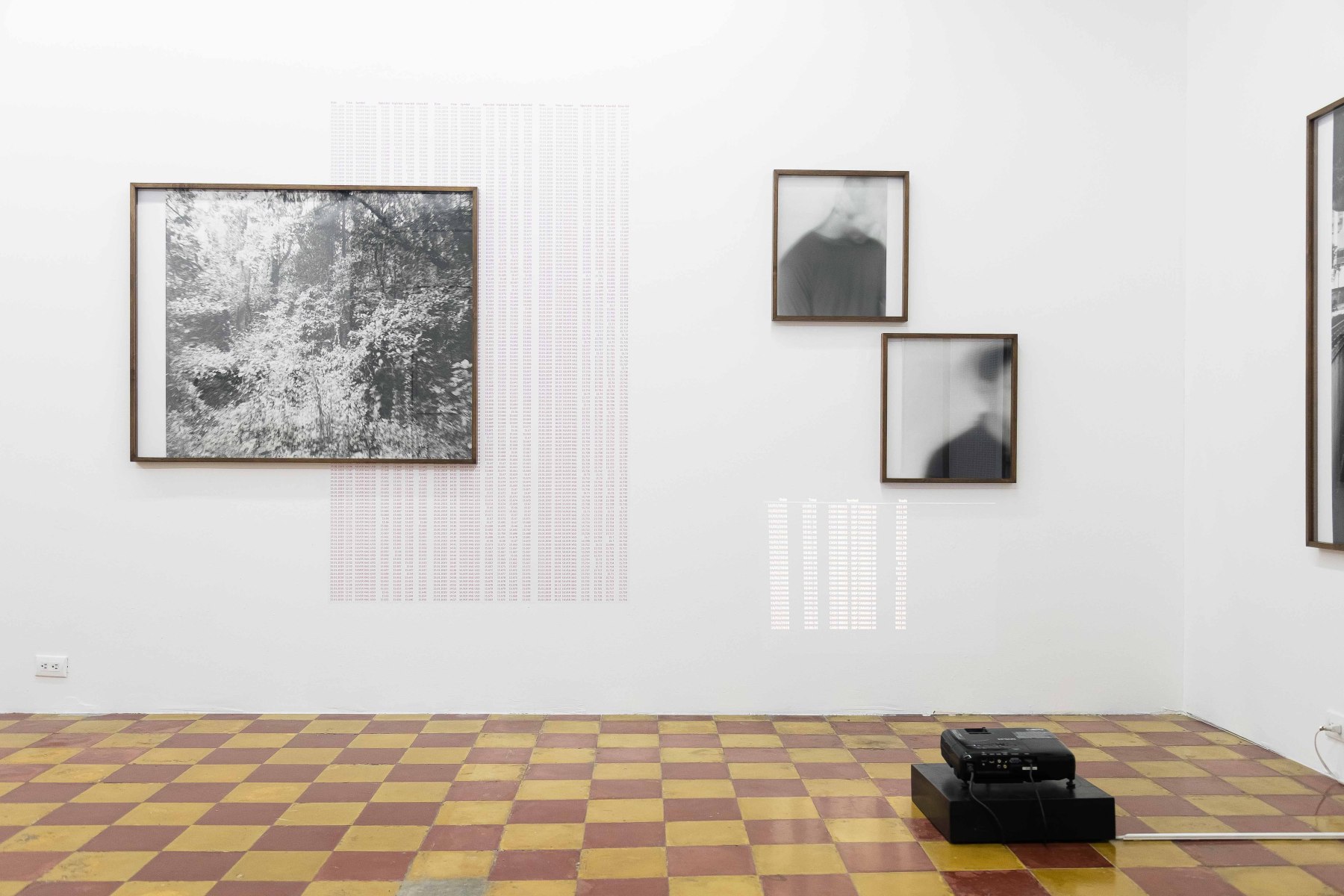
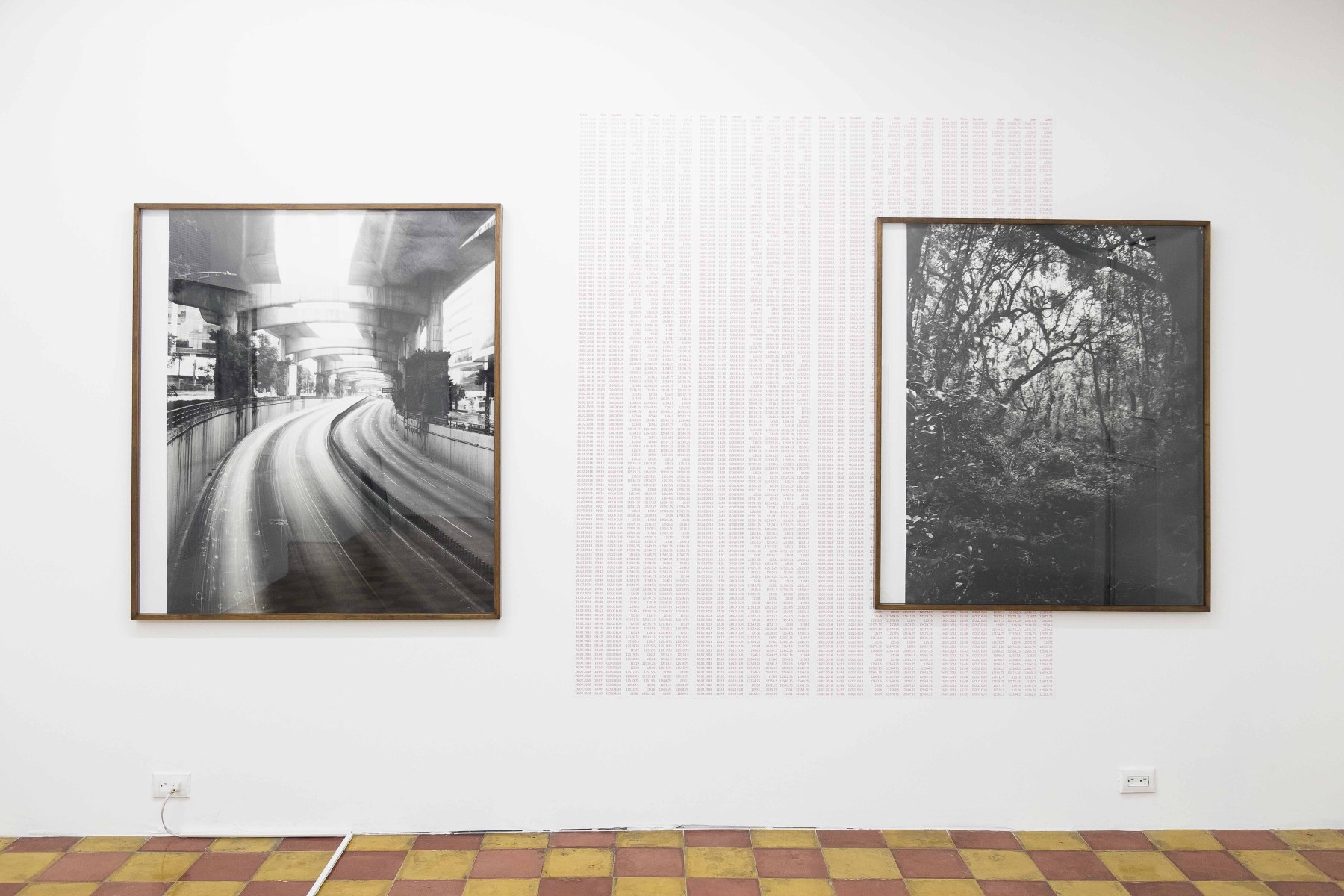
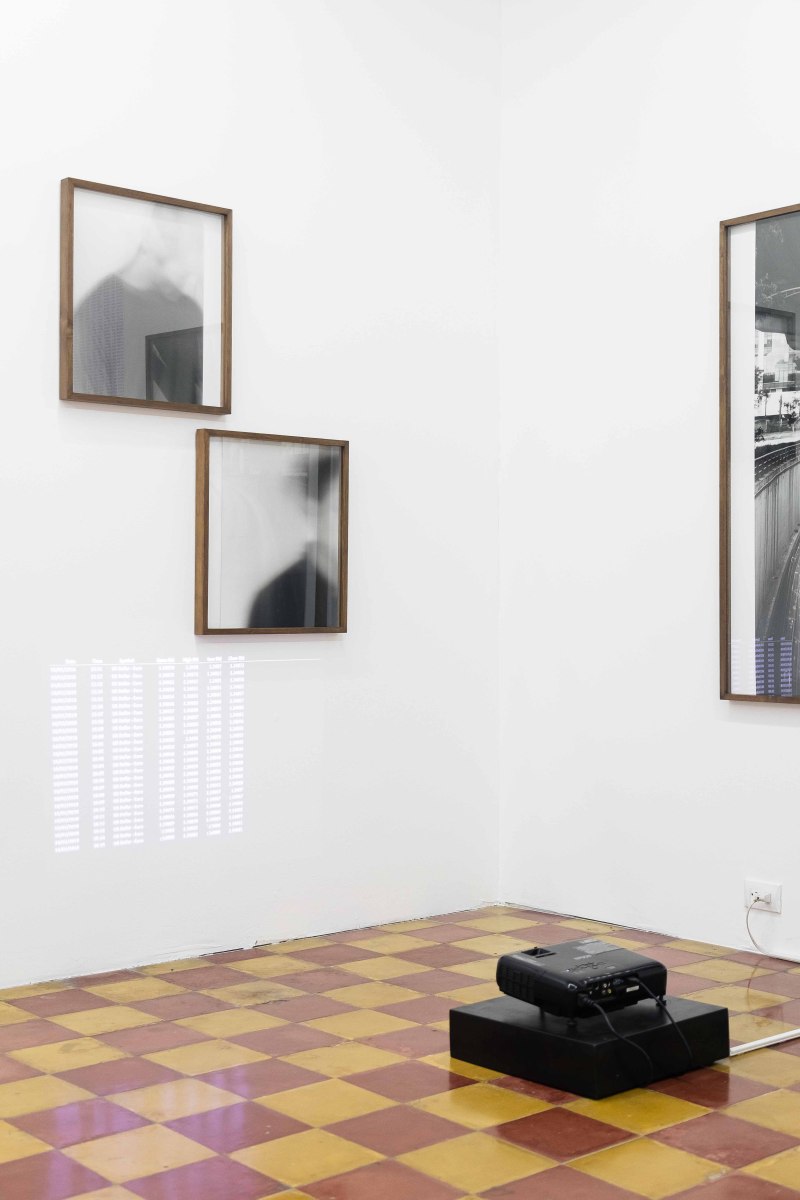
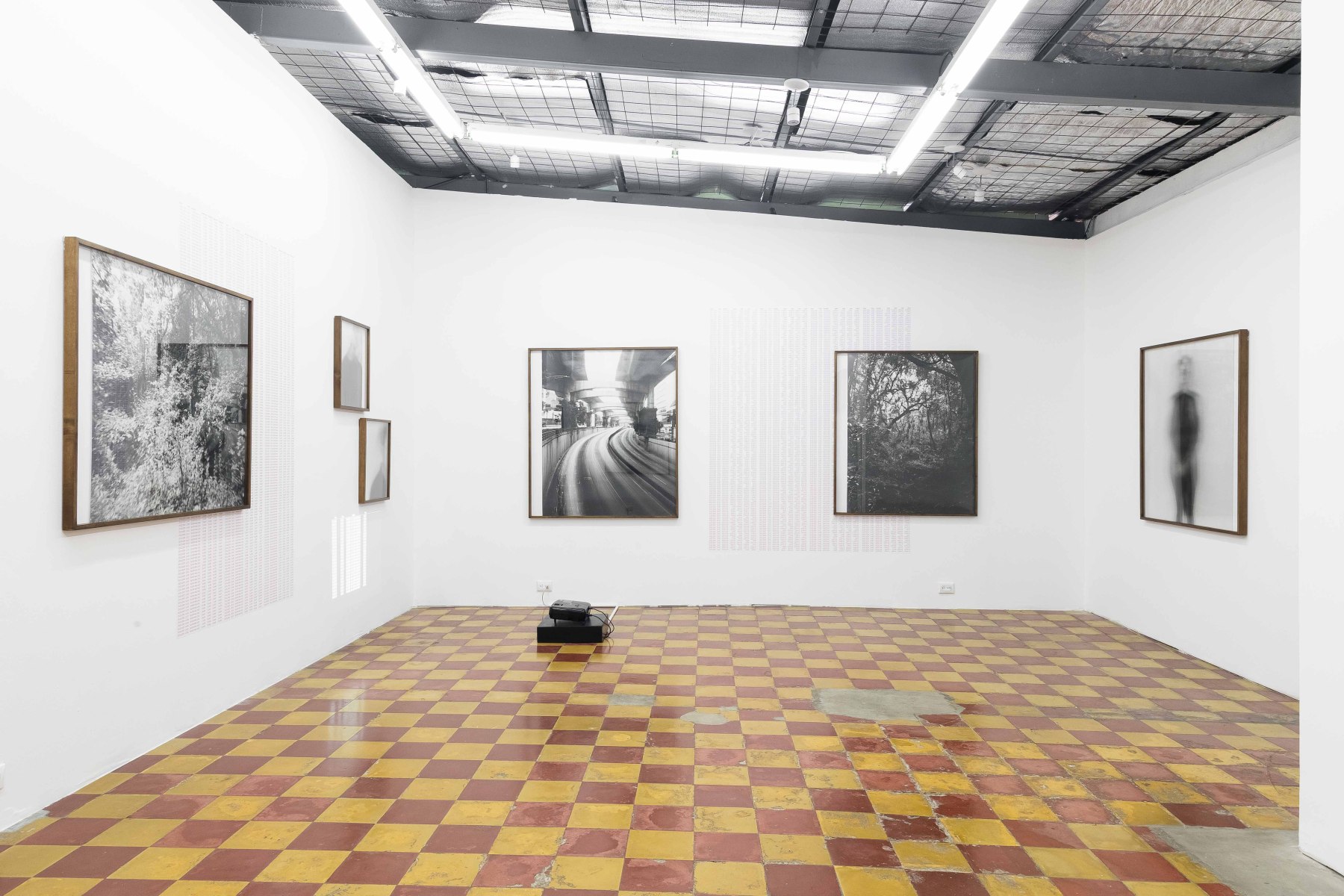
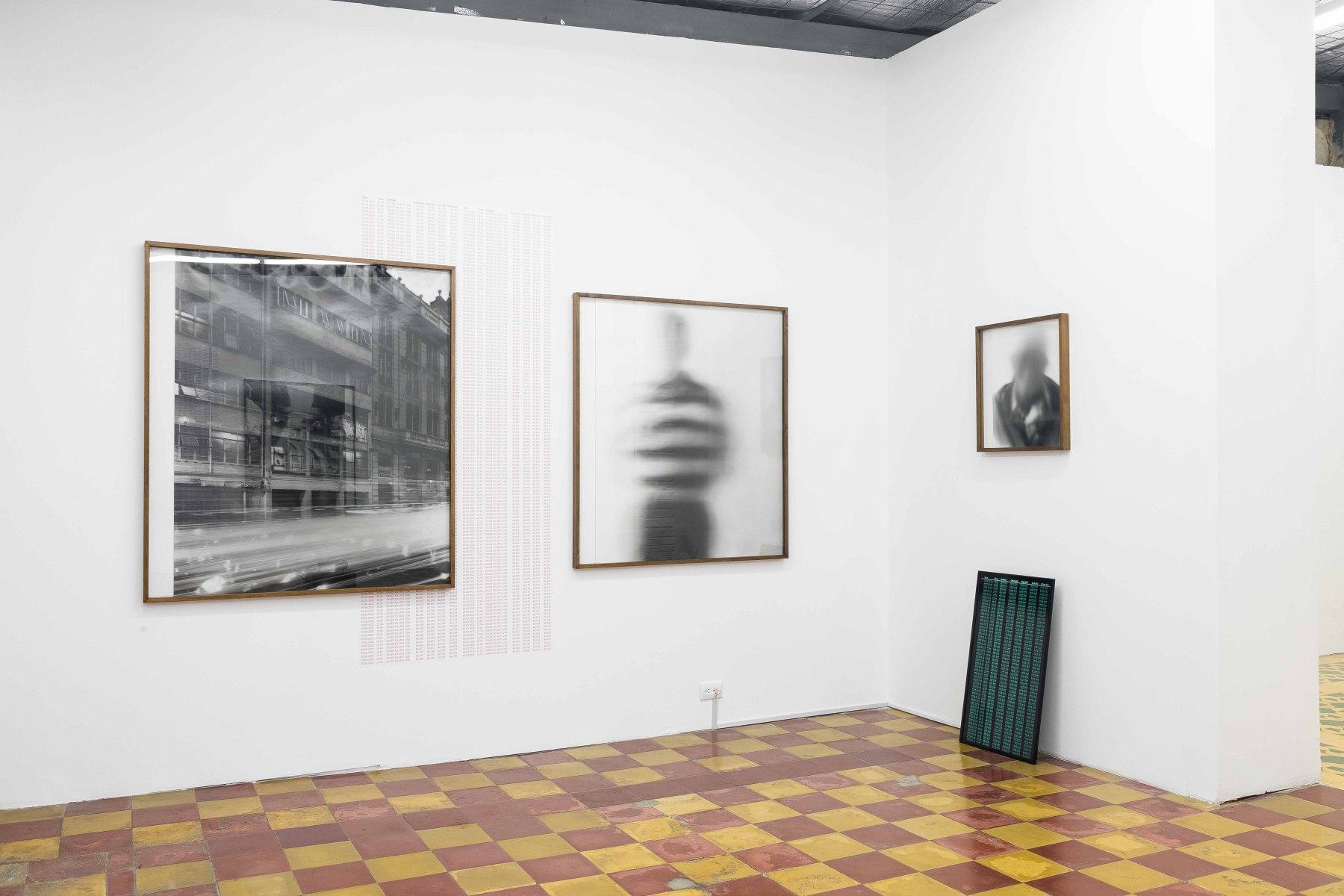
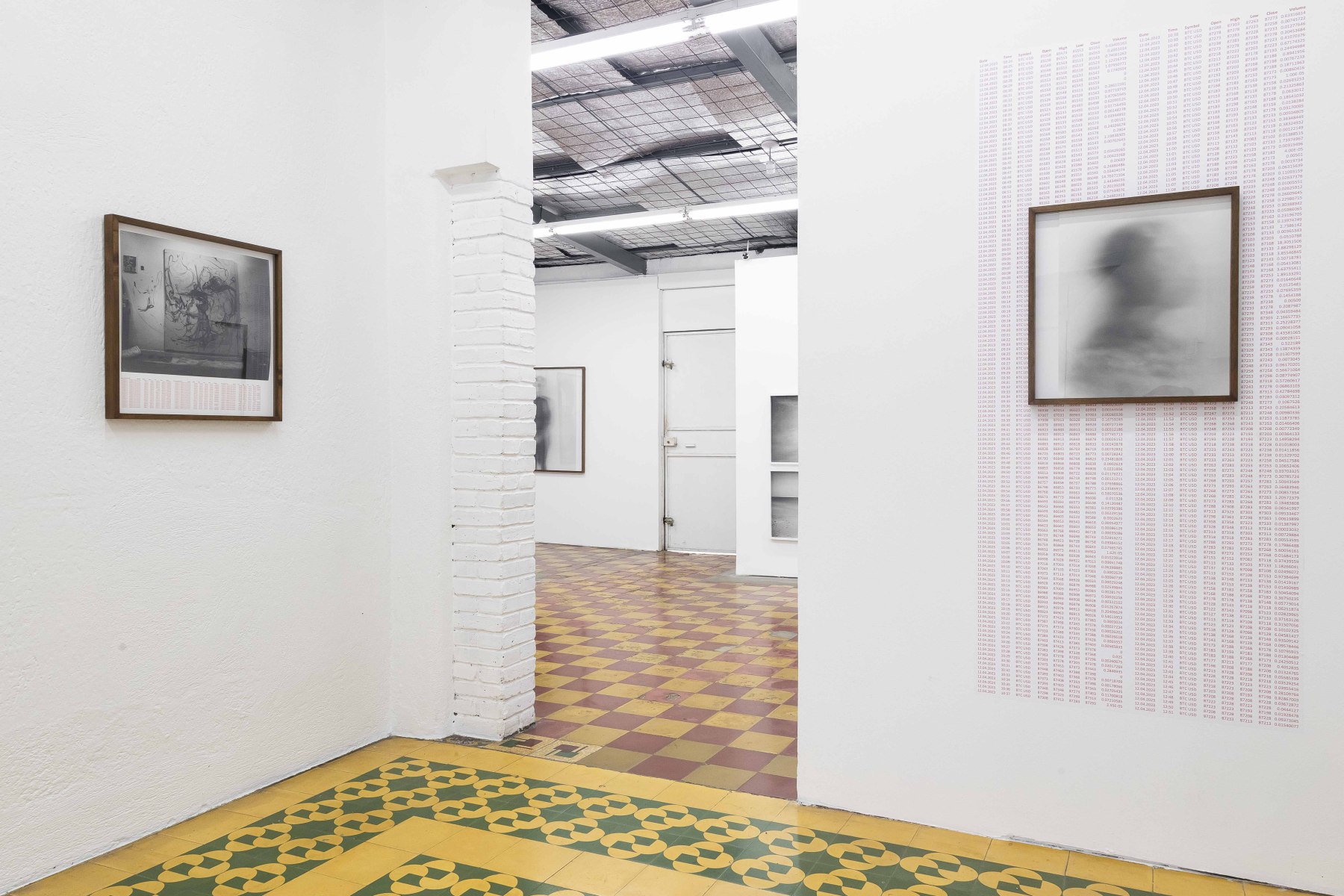
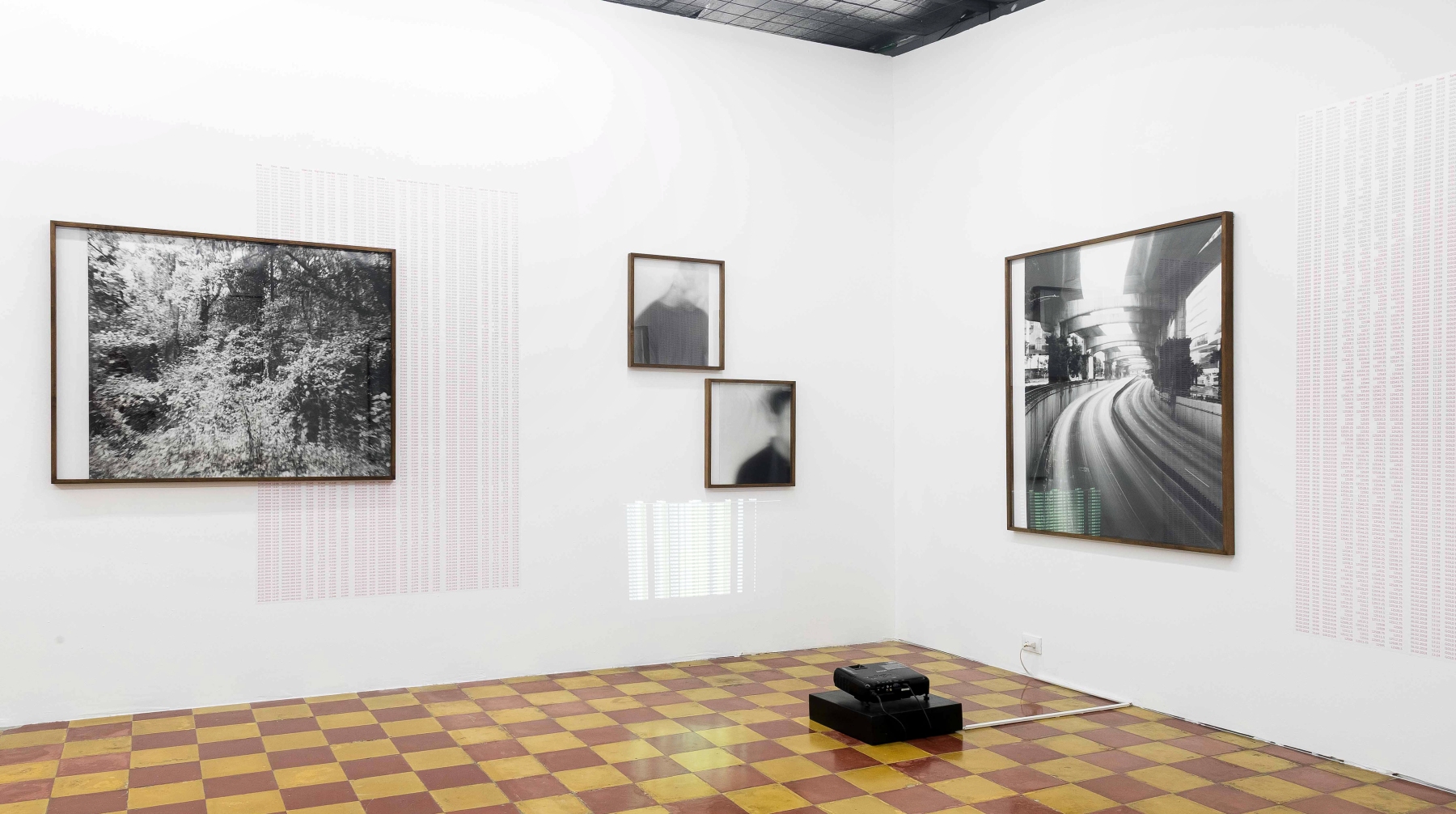
This selection of photographs, produced with large-format negatives and printed on silver gelatin fiber paper, brings together two bodies of work. One consists of natural landscapes with an eight-hour exposure, and the other, more recent, of portraits, skies, and urban locations with a one-hour exposure.
They are images, but they are also abstract time encapsulated in portraits and representations of nature and the city. Through the chemical processes that constitute them, they suggest themselves as physical traces of a temporal lapse fetishized within the photographic emulsion. They function as allegories of objectified human time, where the sensible is transformed into paper and into an object of contemplation. Their unit of measure—traditionally associated with the substantive metric of capitalist production and exchange—is here reappropriated as a space of visible experience.
Against the canon of the instant—which crystallizes time into a singular and spectacular moment—these slow images dissolve the limits of photographic ephemerality to register a continuous becoming. In the book from which this exhibition takes its title, Henri Bergson, in his concept of durée, distinguishes between the homogeneous, quantifiable time of science and instrumental reason, and the lived time of consciousness, which is qualitative, fluid, and heterogeneous. Applied to photographic practice, these images embody an extended process, opening up a perceptual dimension that is contemplative and diffuse. The practice of producing long-duration photographs is proposed as a claim for slowness, as a gesture of obstinate pause against a model of fragmented and accelerated temporality.
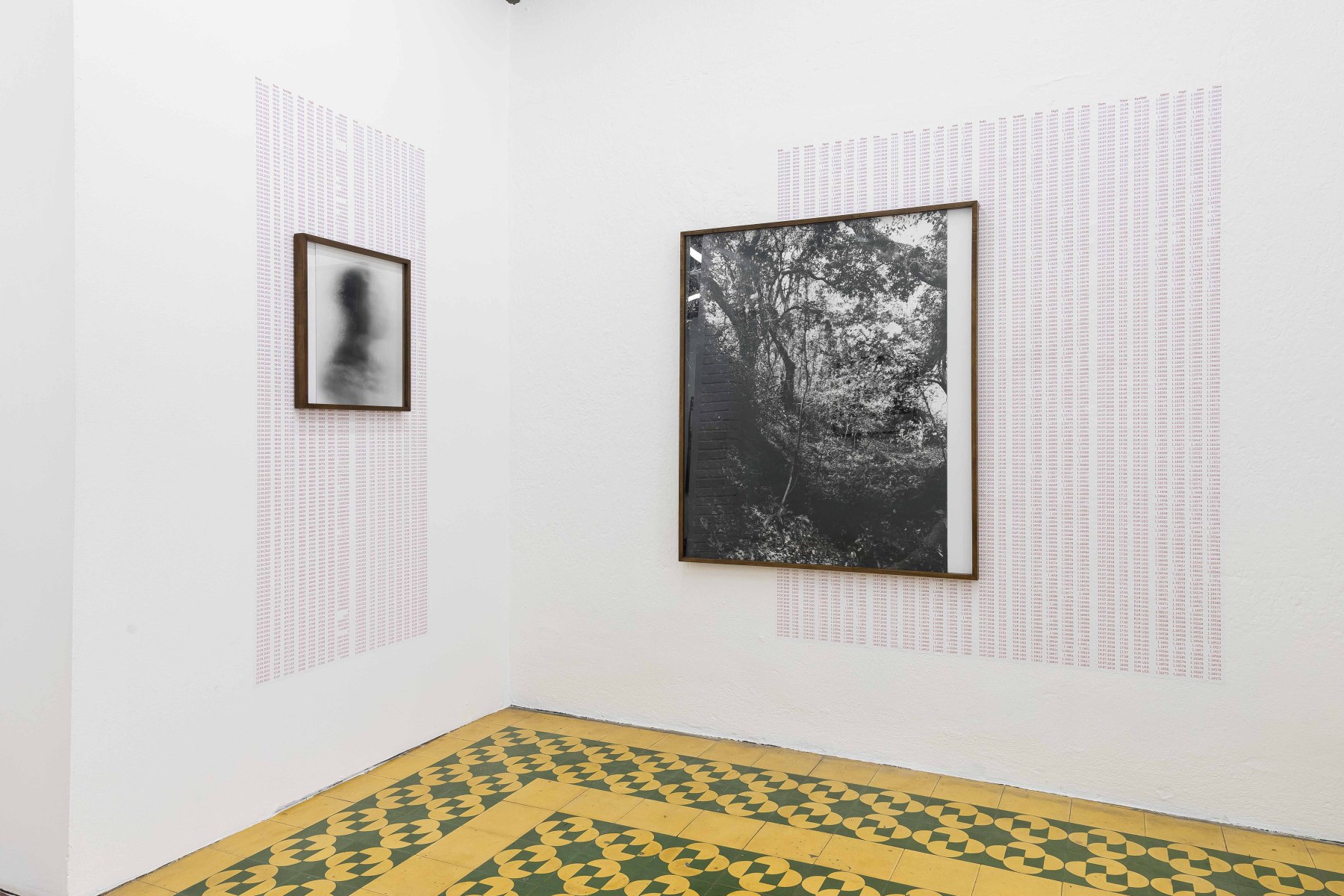
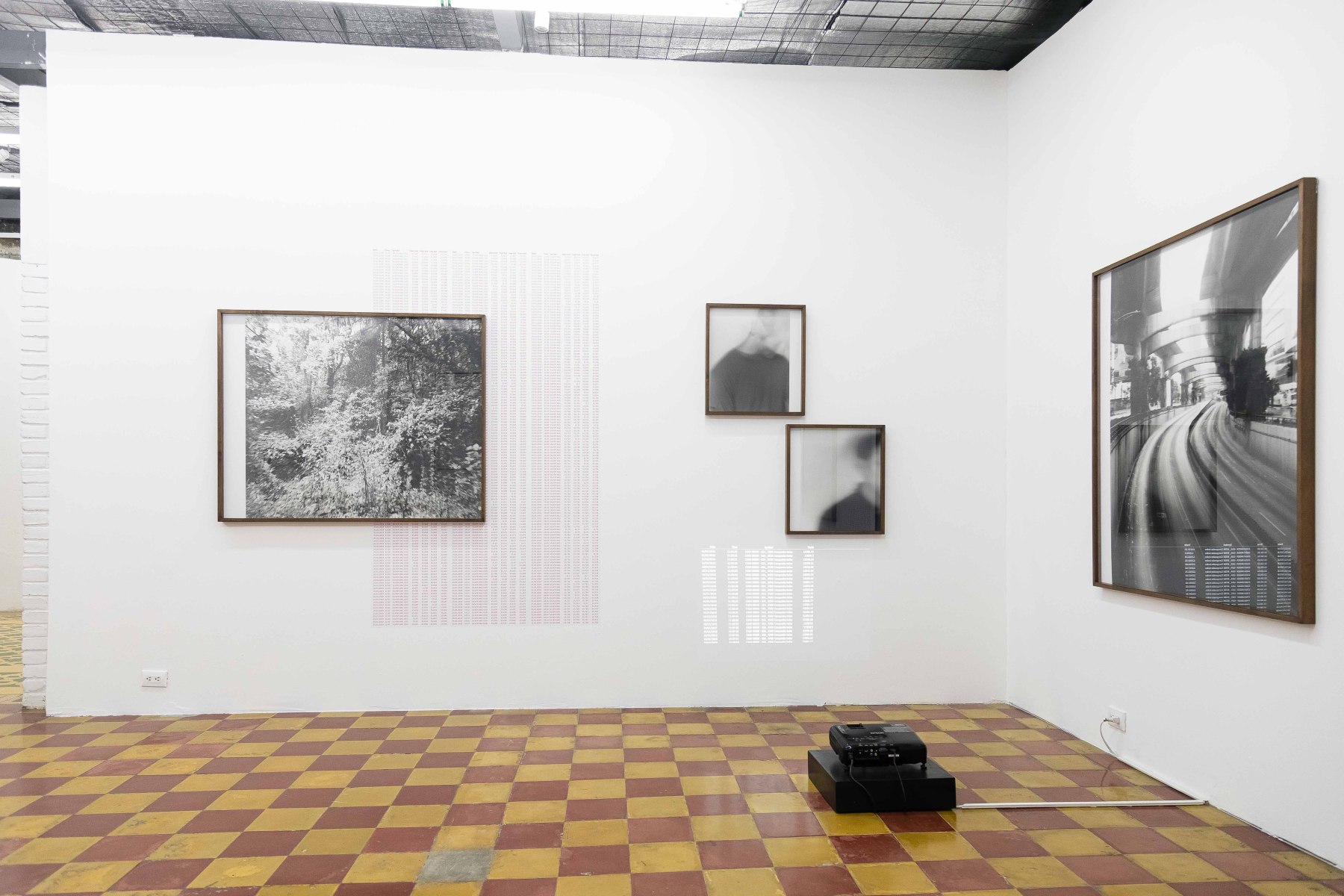
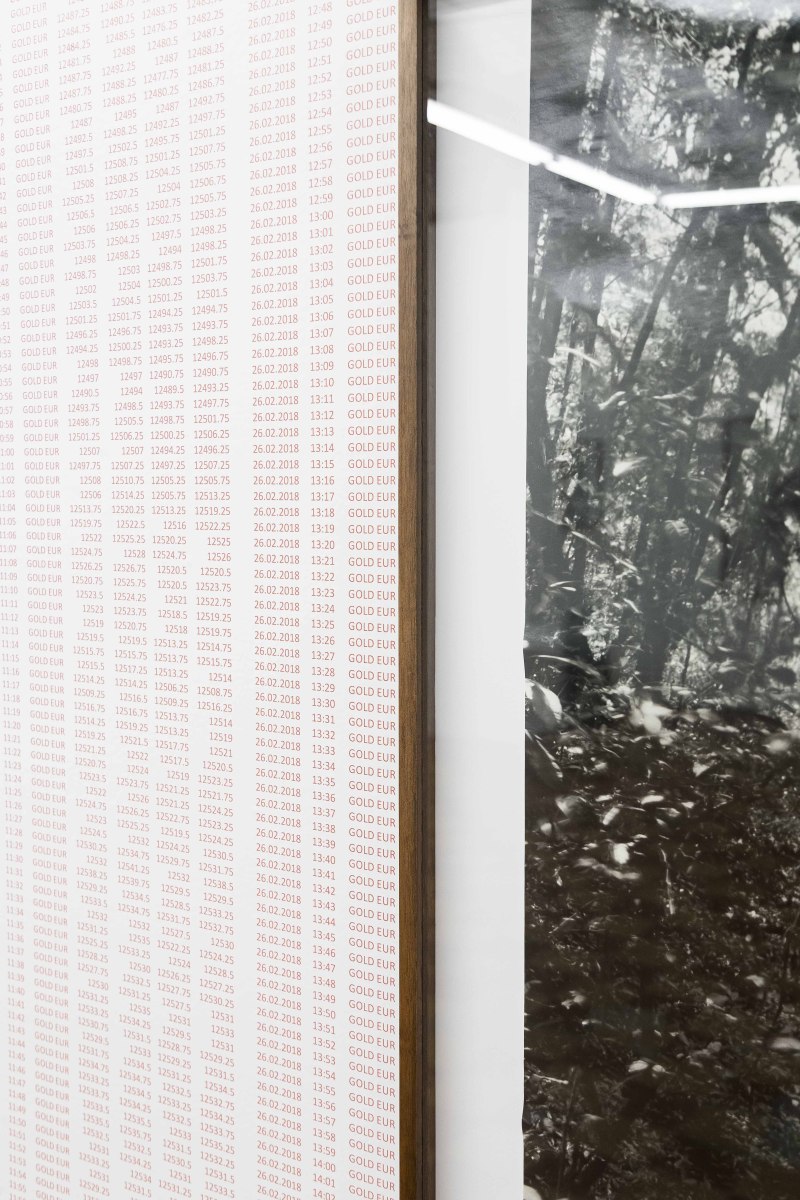
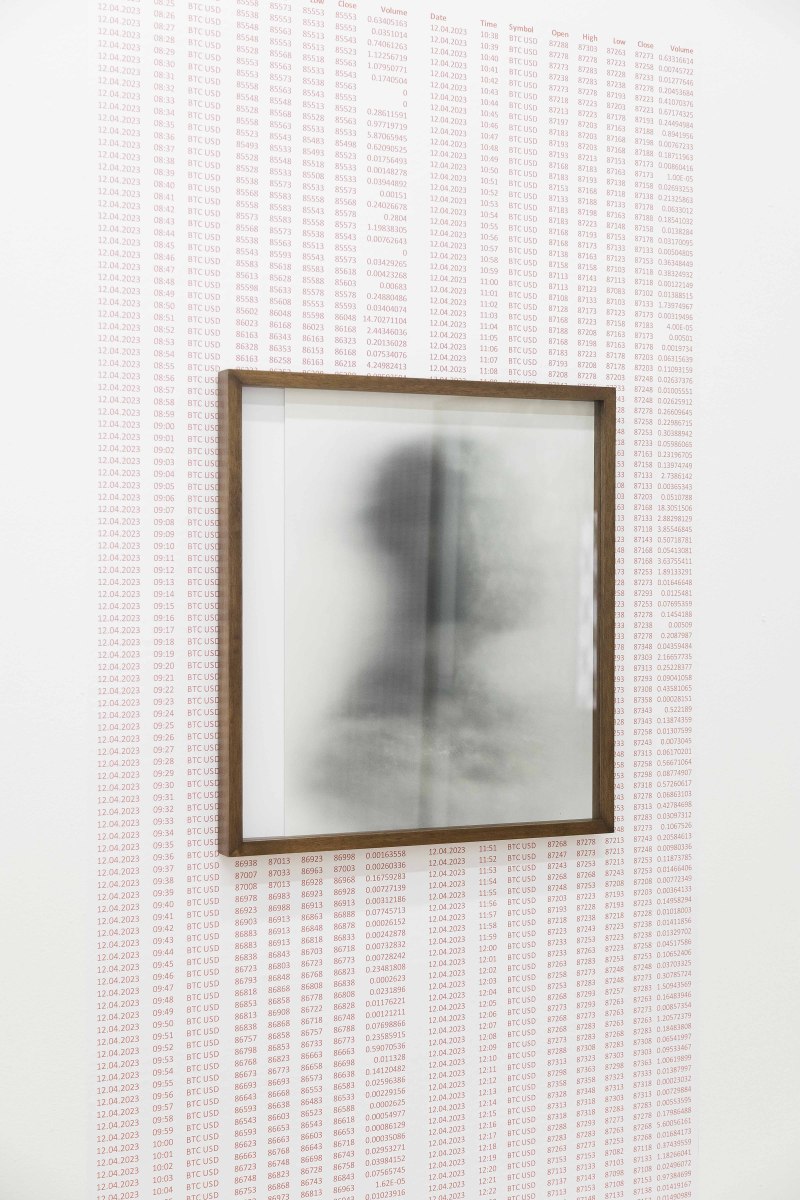
The exhibition juxtaposes the works with financial data corresponding to the time intervals during which the photographs were exposed. In this way, two registers are brought together—one sensorial and the other economic—revealing their conflicted coexistence. Within this friction, financial time, in contrast to humanly experienced time, manifests as an autonomous temporality: created by humans, yet appearing as a self-determined, oppressive, and ubiquitous structure. These photographic works operate as a metaphor for time within a context of the dehumanization of relations among human beings, where lived time is subordinated to abstract numerical values that express the autonomized forms of capital. Their aesthetic enables a subjective reappropriation of seconds through a bodily experience, whose corollary is the search for alternative ways of seeing and inhabiting time.

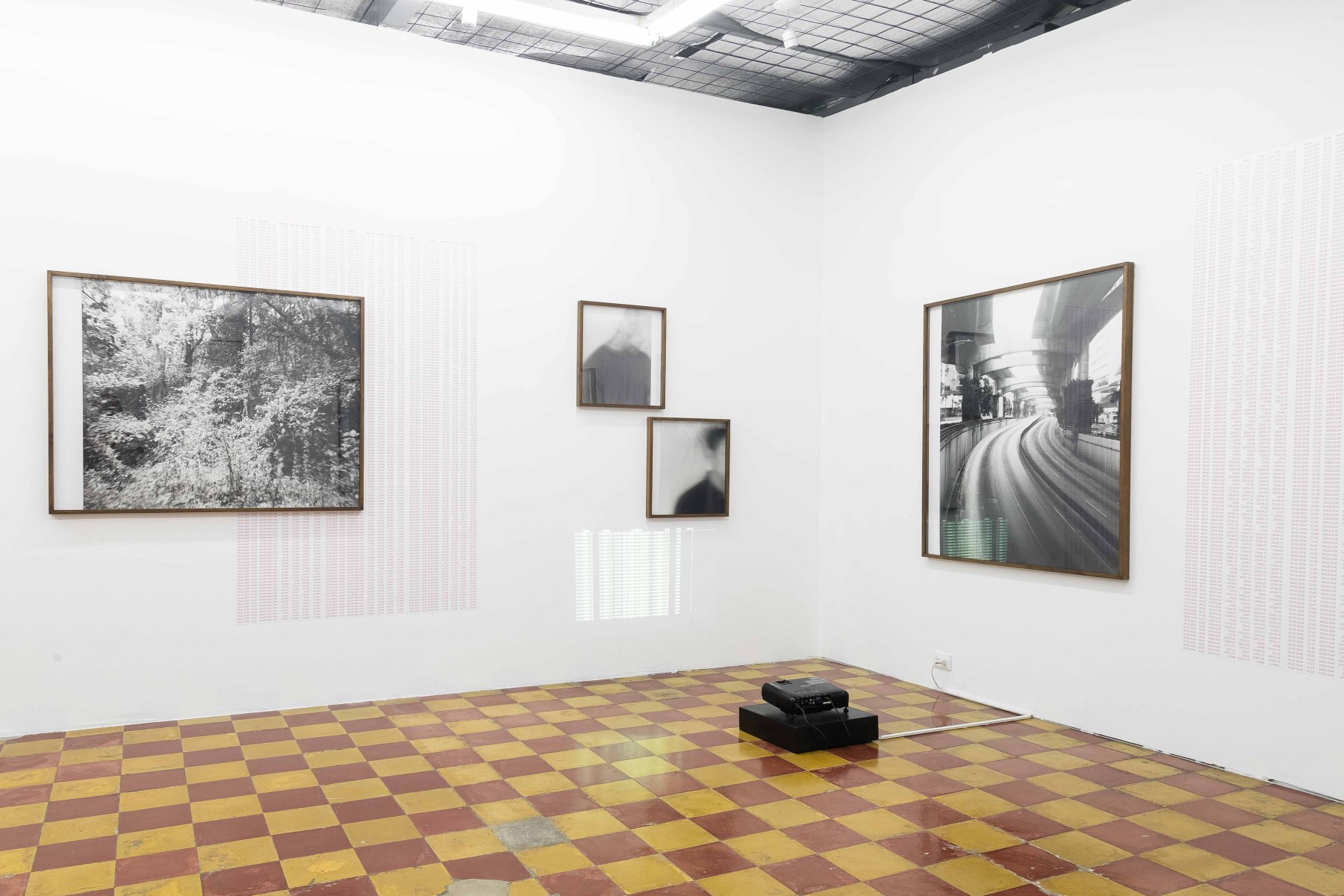
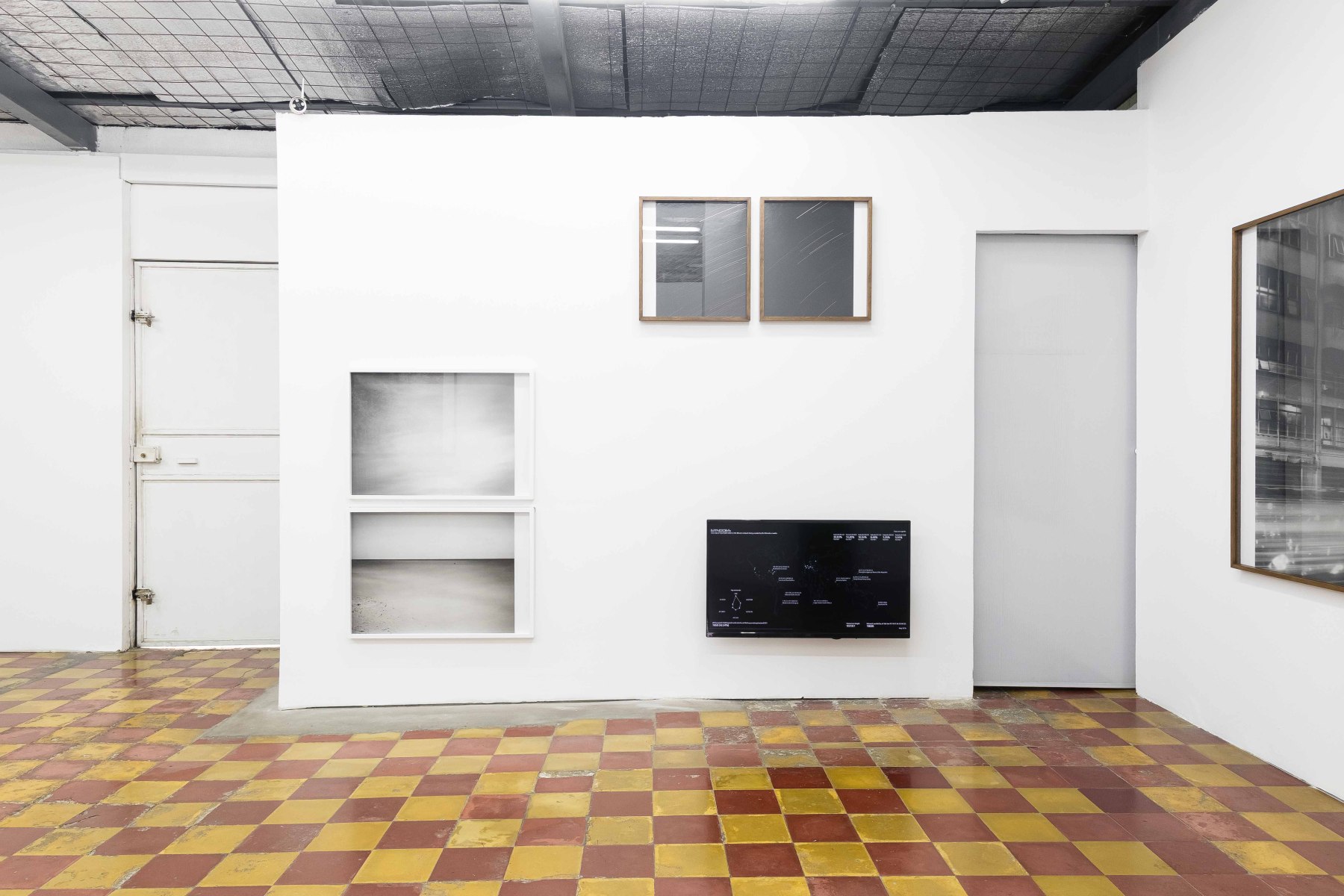
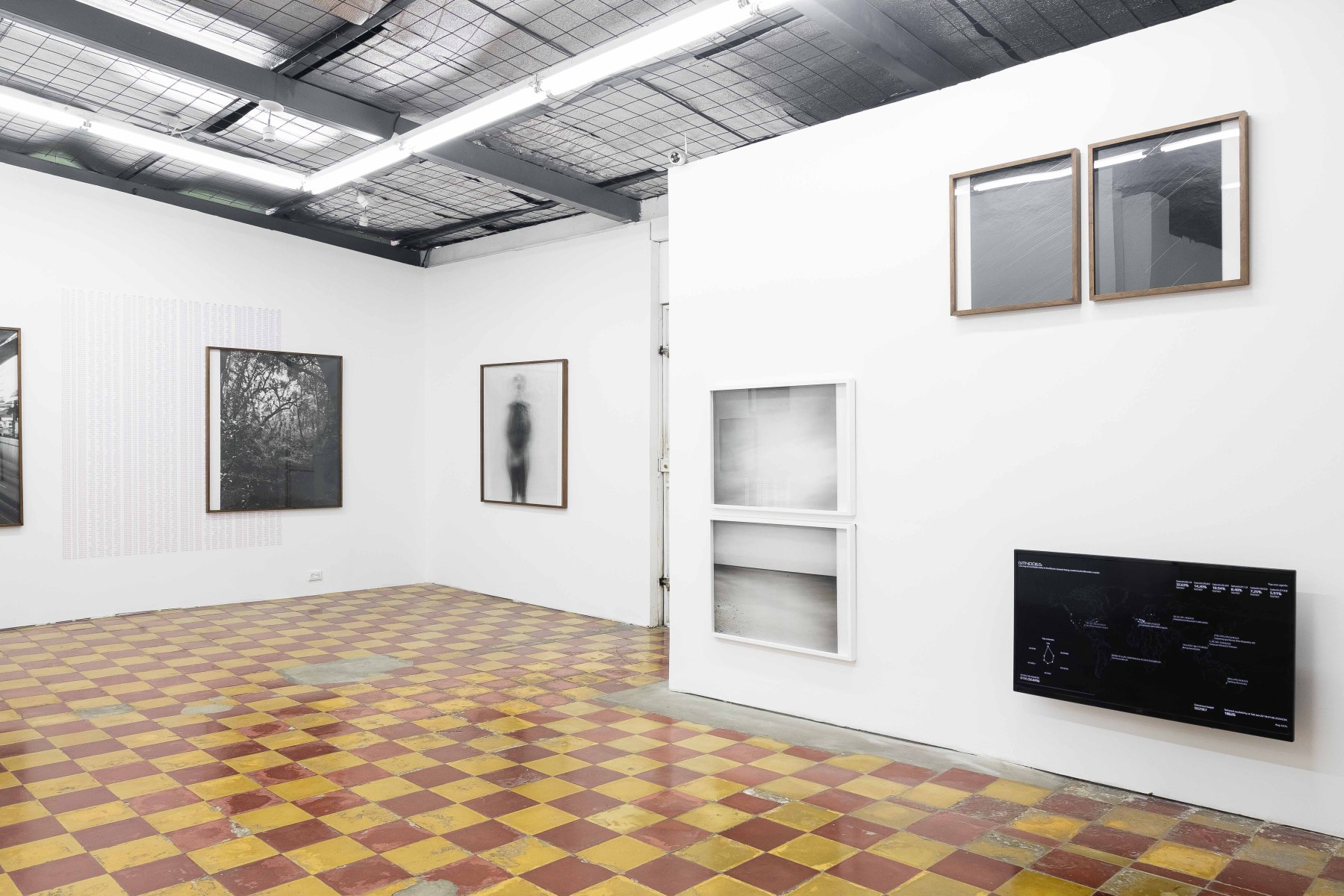
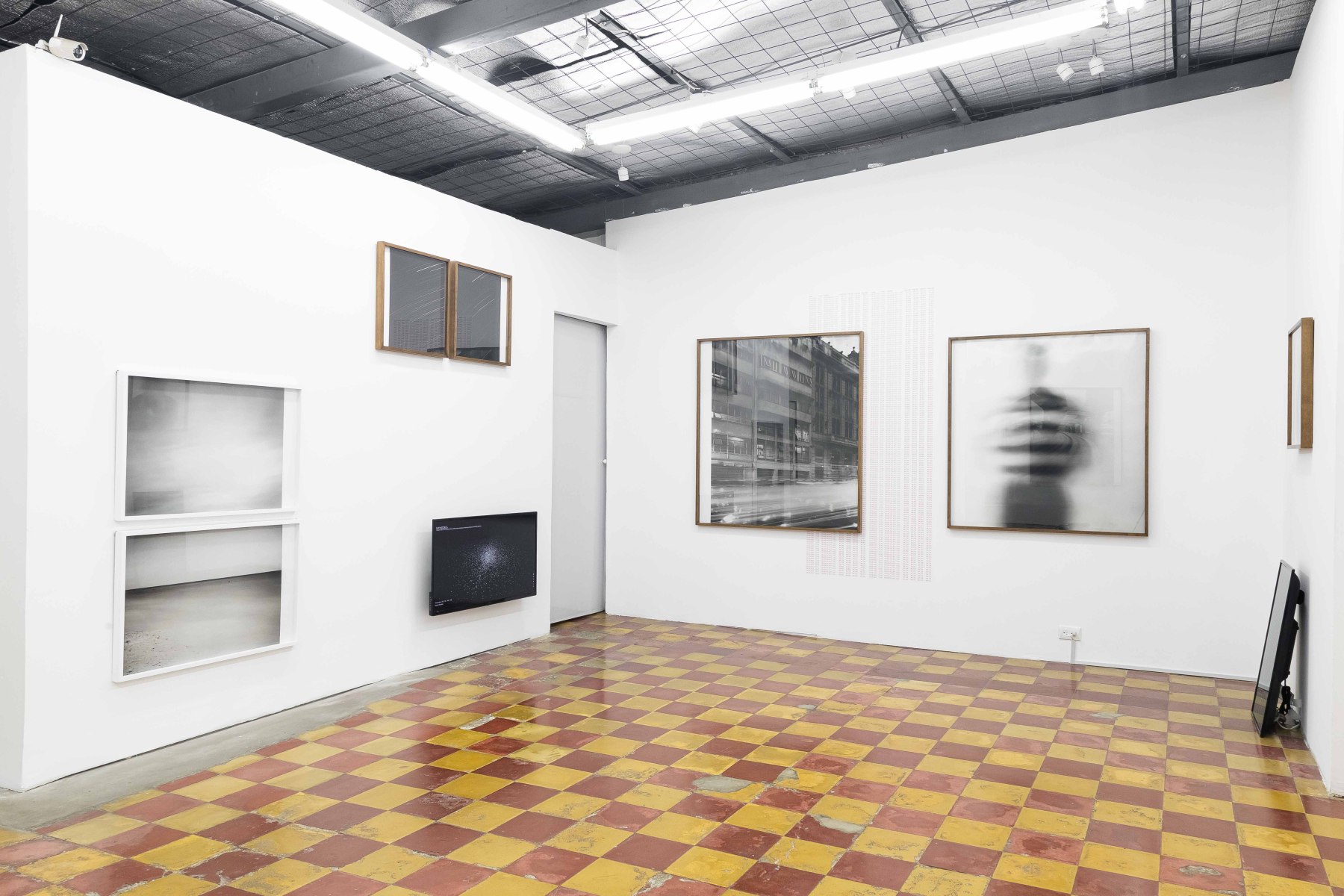
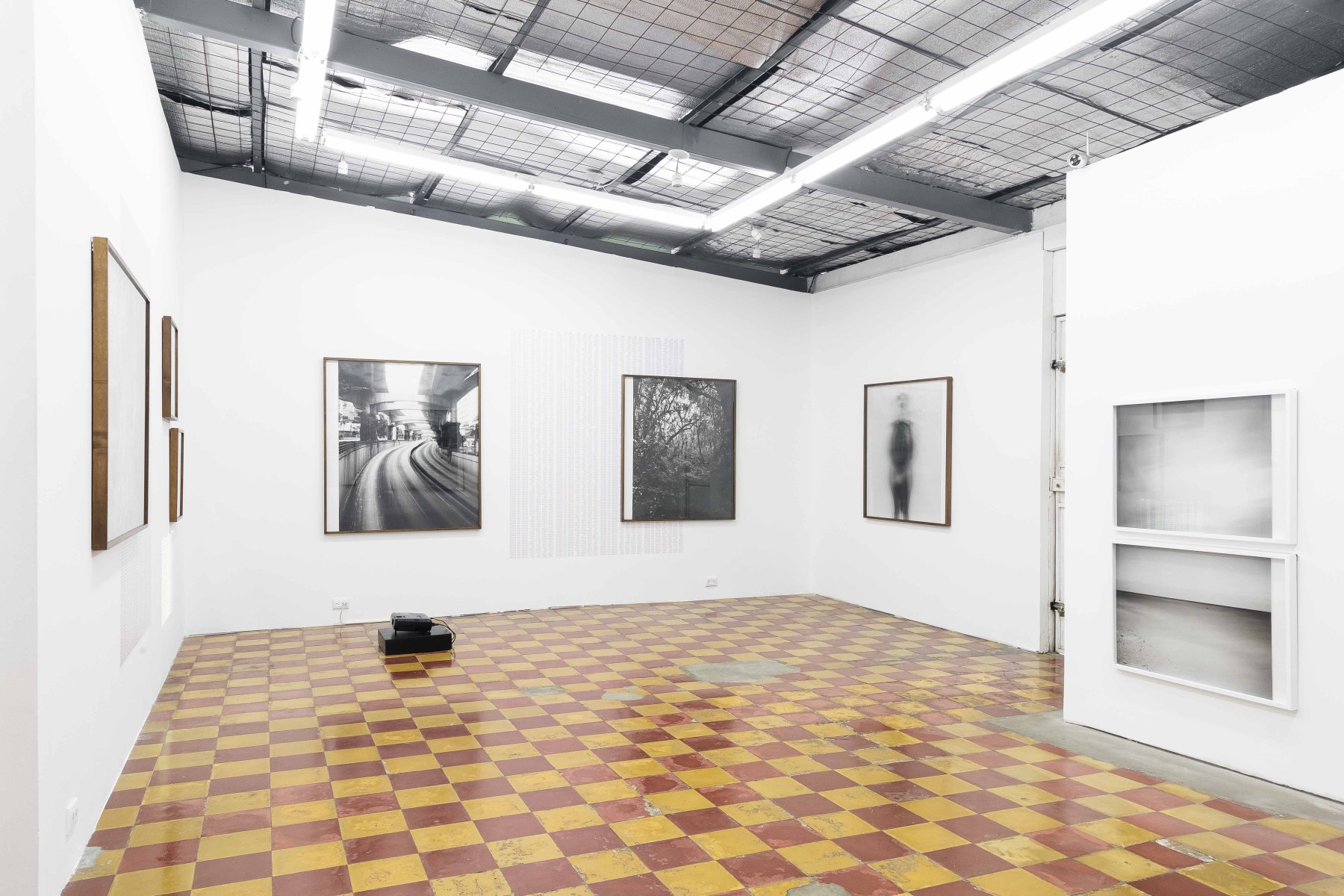

Esta selección de fotografías, realizadas con negativos de gran formato y ampliadas en papel de fibra de plata sobre gelatina, reúne dos cuerpos de trabajo. Uno, que comprende paisajes naturales con una exposición lumínica de ocho horas, y otro, más reciente, de fotografías de retrato, cielos y locaciones urbanas con una exposición de una hora.
Son imágenes, pero también son tiempo abstracto encapsulado en retratos y representaciones de la naturaleza y la ciudad. Mediante los procesos químicos que las constituyen sugieren ser huellas físicas de un lapso temporal fetichizado en la emulsión fotográfica. Funcionan como alegorías del tiempo humano objetivado, donde lo sensible se transforma en papel y objeto de contemplación. Su unidad de medida, tradicionalmente asociada con la métrica sustancial de la producción y el intercambio capitalistas, se reapropia aquí como un espacio de experiencia visible.
Frente al canon del instante —que cristaliza el tiempo en un momento singular y espectacular—, estas imágenes lentas disuelven los límites de la fugacidad fotográfica para registrar un devenir continuo. En el libro del cual esta muestra toma su título, Henri Bergson, en su concepto de durée, distingue entre el tiempo homogéneo y cuantificable de la ciencia y de la razón instrumental, y el tiempo vivido de la conciencia, cualitativo, fluido y heterogéneo. Aplicado a la práctica fotográfica, estas imágenes encarna un proceso extendido, abriendo una dimensión perceptiva, contemplativa y difusa. La práctica de realizar fotografías con una duración larga se propone como un reclamo de lentitud, como un gesto de pausa obstinada contra un modelo de temporalidad fragmentada y acelerada.
La exhibición coteja las piezas con datos financieros correspondientes a los intervalos de tiempo en el que las fotografías fueron expuestas. De este modo, se yuxtaponen dos registros, uno sensible y otro económico, revelando su coexistencia conflictiva. En esta fricción, el tiempo financiero, en oposición al tiempo humanamente experimentado, se manifiesta como un tiempo autónomo, creado por los humanos pero que se presenta como una estructura autodeterminada, opresiva y ubicua. Estos cuadros fotográficos son una metáfora del tiempo en el contexto de la deshumanización de las relaciones entre los mismos seres humanos, donde su tiempo se observa supeditado al tiempo de valores numéricos abstractos que expresan las formas autonomizadas del capital. Su estética habilita una reapropiación subjetiva de los segundos a partir de una experiencia corporal, cuyo corolario es la búsqueda de modos alternativos de mirar y habitar el tiempo.